Mailing Lists | Direct Mail Journal - Part 4
 

Direct Mail Journal

Direct Mail and Marketing Tips

Archive for category: Mailing Lists

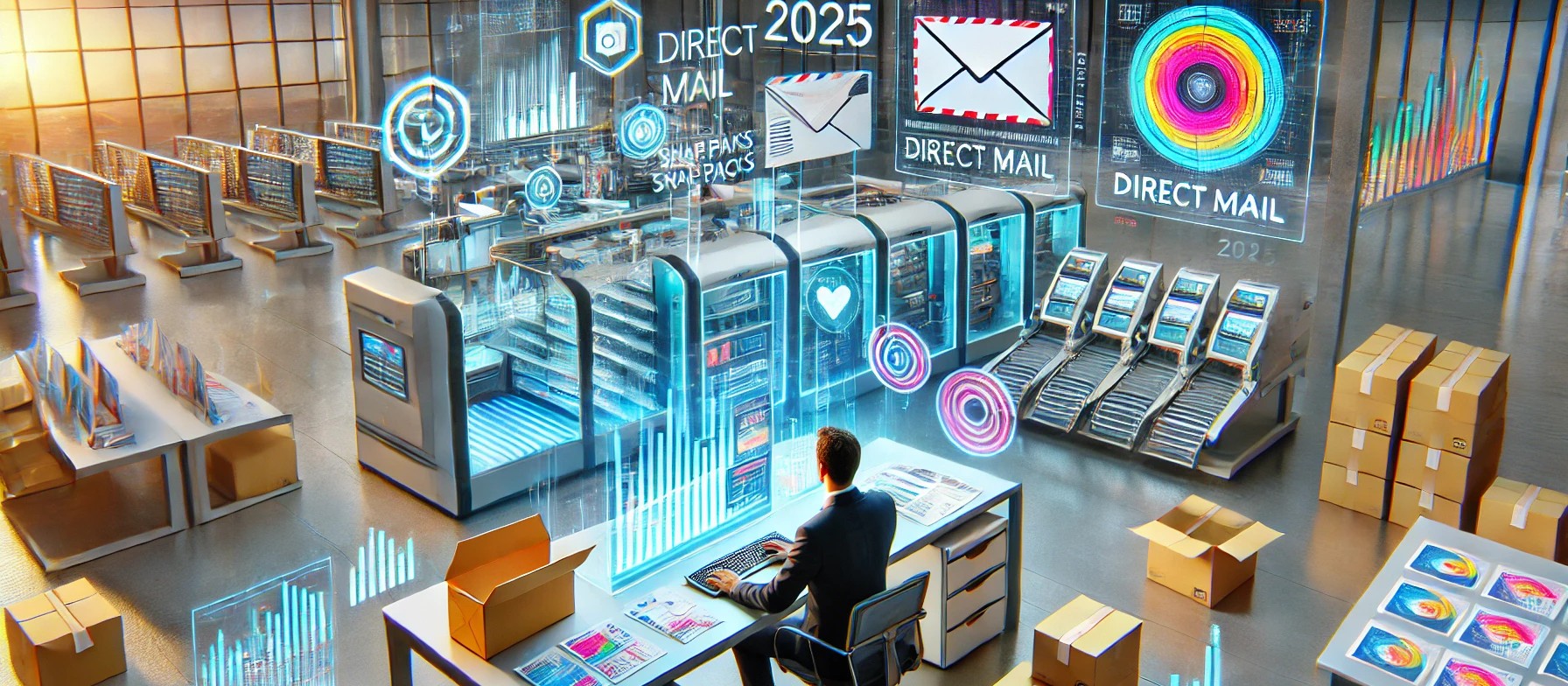
Direct Mail Marketing in 2025: How Snap Packs & Letters Can Supercharge Your Campaign!

Yes, direct mail has been a staple in marketing for decades, and while it may seem old-school, its relevance today remains stronger than ever — especially thanks to its adaptability and cutting-edge innovations.

If you’re still unsure about how direct mail marketing works in 2025, don’t worry! We’re here to guide you through it. To start with, here are some powerful numbers: In recent studies, 82% of consumers say direct mail influenced their purchase decisions. This underscores why many direct-to-consumer brands still consider direct mail the most cost-effective offline marketing channel for customer acquisition (CAC).

Want more reasons to jump in? According to the Data & Marketing Association, 50% of people find direct mail postcards useful, In addition, 70% of consumers prefer it because it’s far more personal than digital alternatives.

Let’s dive into the steps to execute a successful direct mail campaign — and why using products like Snap Packs and Letters can make all the difference!

Step 1: Define Your Target Audience

The first step in any successful direct mail campaign is knowing your audience. Sending a batch of letters or Snap Packs to the wrong people is just throwing money away. Thankfully, direct mail is incredibly effective for precise targeting. Whether you’re focusing on age, income, location, or specific behaviors, you can tailor your outreach to match the ideal customer. Spend time identifying your perfect audience, and the results will follow — with bigger returns for your business.

Step 2: Source Your Mailing List

Once you’ve pinpointed your target audience, it’s time to gather your mailing list. You have two options: use your “house list” of current or past customers, or purchase an external list from a third-party provider. If you have a solid track record with your in-house list, that’s great! But if you’re just starting out, or testing a new market, buying a fresh list may be your best bet.

Step 3: Craft an Irresistible Message

In 2025, attention spans are shorter than ever. So, getting your message across quickly and effectively is crucial. Be clear, direct, and avoid fluff. Highlight the key benefits of your product or service and make sure to ask for the sale. If you really want to create urgency, consider adding limited-time offers or exclusive events to your copy. Snap Packs and letters are perfect for this, offering a unique, tactile experience that encourages engagement — people are more likely to respond when they receive something different from the usual junk mail!

Step 4: Nail the Design

With so much digital noise in today’s world, your direct mail piece must stand out. It needs to be visually compelling, easy to read, and aligned with your brand’s identity. Use bold, vibrant colors, creative images, and unique fonts to make an impression. Whether you’re aiming for humor, elegance, or something eye-catching and bold, make sure it’s visually striking. Snap Packs and letters provide a dynamic, engaging way to break through the clutter and leave a lasting impression.

Step 5: Streamline Your Packaging and Mailing

Once you’ve got the perfect design and copy, it’s time to send it off. To get the best results, you need a reliable printing and mailing service that can execute the campaign without hiccups. This is where Zairmail comes in. With our automated online tools, you can launch direct mail campaigns right from your computer — and have them in the mail even next day. Zairmail even tracks your deliveries, so you know exactly when your mail reaches its destination.

Thanks to 2025’s automation and digital solutions, direct mail campaigns can now be faster, easier, and more affordable than ever before. Zairmail, which pioneered hybrid digital-to-physical mail solutions over 20 years ago, continues to lead the charge in automation, ensuring your campaigns are executed with speed and precision.

If you’re ready to step up your marketing game in 2025, Zairmail will provide an unbeatable combination for reaching your audience faster and more effectively. Don’t let your direct mail campaign get lost in the shuffle — stand out, engage, and watch the results roll in!

Wilson Zehr is a Direct Mail Industry Expert, Direct Marketing Specialist, and CEO of Cendix (www.cendix.com), the leading provider of Web-to-print solutions that increase sales both online and offline. He is also the founder of Zairmail (www.zairmail.com), the company responsible for many “industry firsts” in direct mail.

Click here to get a free Zairmail Sample Kit with all the information you need to get your direct mail campaigns off the ground!

Winning Direct Marketing Strategies: A Proven Recipe for Success

The formula for a successful direct marketing campaign remains tried and true: a compelling hook, engaging and persuasive content, and a clear call to action. The hook is typically an irresistible offer that grabs attention and sparks interest. This winning recipe applies across all direct response marketing channels—whether it’s direct mail, email marketing, or social media advertising. Each medium presents the elements differently, but the core principles remain the same. For instance, an email campaign relies on a catchy subject line, while direct mail—such as letters, snap packs, and postcards—can use bold visuals, striking colors, or intriguing headlines to break through the clutter.

Here are some essential rules and tips to ensure your direct marketing efforts hit the mark every time!

Be Memorable

Smart design, clever wording, and strong branding are all great—but they’re not enough on their own. The key to success in direct marketing is being memorable. Not every recipient will act immediately after seeing a promotion, which makes lasting impact critical. With direct mail, this is even more important. A successful postcard campaign, for example, earns a spot on the fridge, keeping your message top of mind. Snap packs, on the other hand, create urgency—recipients can’t resist tearing them open to see what’s inside.

How do you create memorability? Utilize compelling visuals, a standout offer, or a message that evokes emotion—whether it’s humor, empathy, or excitement. When people have an emotional response to something, they remember it.

Know Your Audience

Achieving all three elements of a great direct marketing campaign hinges on knowing your audience. Without a clear understanding of your target market, you can’t craft an offer that truly resonates. Your design, messaging, and offer need to align with their interests and needs, or your efforts will be wasted. In direct mail, 70% of success comes from having the right mailing list, 20% from the offer, and 10% from design—making audience selection the most crucial factor!

Even your response mechanism should cater to your audience. Younger consumers might prefer a QR code that leads to a mobile-friendly form, while older recipients may favor a direct phone number or prepaid reply card.

To better understand your audience, analyze your current customer base. What are their demographics, interests, and buying behaviors? Talk to your customer service and sales teams—they have direct insights into what your customers need. Gather feedback, study competitors, and engage with your customers. Most importantly, remember that you’re not just selling a product or service—you’re providing a solution to a problem. When you shift your focus to solving customer pain points, you naturally create stronger connections and more effective campaigns.

For all your direct marketing needs, Zairmail is here to help! We go beyond standard mail services, offering expert guidance, free consultations, and tailored solutions to ensure your message reaches the right audience. Whether you’re using letters, snap packs, or postcards, we’re your direct mail partner in 2025 and beyond. Let’s make your next campaign a success!

Wilson Zehr is a Direct Mail Industry Expert, Direct Marketing Specialist, and CEO of Cendix (www.cendix.com), the leading provider of Web-to-print solutions that increase sales both online and offline. He is also the founder of Zairmail (www.zairmail.com), the company responsible for many “industry firsts” in direct mail.

Click here to get a free Zairmail Sample Kit with all the information you need to get your direct mail campaigns off the ground!

Maximize Direct Mail with a Clean, Targeted List in 2024!

In a digital-obsessed world, it might surprise you that direct mail is still one of the most effective marketing tools out there. Yes, snail mail! But before you start mailing shiny letter, snap-packs, or postcards to random addresses, here’s the catch: success depends on having the right list. The saying still holds true: 70% list, 20% offer, and 10% creative.

Yet, so many businesses overlook their lists, wasting time and money with undeliverable mail, wrong addresses, or the wrong audience altogether. If you’re investing in direct mail, keeping your list clean, targeted, and updated isn’t optional—it’s a game-changer.

Why Your Direct Mail List Deserves TLC

Think of your list as the foundation of your campaign. Without it, even the coolest designs and best offers will flop. Here’s why a clean, targeted list is so critical:

  1. Save Money: Mailing to bad addresses means wasted postage, paper, and effort. It’s like throwing cash out the window!
  2. Better Deliverability: Tools like USPS’s CASS (Coding Accuracy Support System) and NCOA (National Change of Address) ensure your mail actually gets where it’s supposed to go.
  3. Higher Response Rates: A precise, well-segmented list means your message hits the right people at the right time.
  4. Stronger ROI: With cleaner lists, you focus on the right audience and get a bigger return for your investment.

List Cleaning Trends for 2024

So, how do you keep your list fresh and fabulous? Businesses are stepping up their game with modern tools and strategies:

  1. AI-Driven List Management: Artificial intelligence now analyzes behaviors in real time to update and segment mailing lists—no guesswork, just smart data.
  2. USPS Verification Tools: Smart marketers rely on tools like NCOA to filter out outdated addresses.
  3. Cross-Channel Insights: Combining digital activity (like email opens or website visits) with direct mail data makes campaigns more personal and effective.
  4. Ongoing List Updates: Gone are the days of annual cleanups. Top businesses now refresh lists weekly or monthly.

Clean It Up, Reap the Rewards

Here’s the reality: postage and printing costs are rising, so your mail pieces need to work harder than ever. Every address is important, and every campaign needs focus. By keeping your direct mail list in tip-top shape, you’ll save money, boost responses, and see a bigger ROI.

In short, don’t let your list collect dust. Embrace smart tools, clean your data regularly, and remember—direct mail isn’t outdated. Bad lists are.

About the Author

Wilson Zehr is a Direct Mail Industry Expert, Direct Marketing Specialist, and CEO of Cendix (www.cendix.com), the leading provider of Web-to-print solutions that increase sales both online and offline. He is also the founder of Zairmail (www.zairmail.com), the company responsible for many “industry firsts” in direct mail.

Click here to get a free Zairmail Sample Kit with all the information you need to get your direct mail campaigns off the ground!


Mail Matters: The Power of Direct Mail in The Digital Marketing Age

Episode Details

Podcast: The Guiding Brands Podcast
Episode: Mail Matters: The Power of Direct Mail in The Digital Marketing Age
Published: June 27, 2024
Guest: Wilson Zehr
Guest’s businesses: Zairmail and Cendix
Guest’s title: CEO of Cendix; Founder of Zairmail
Host: Karen Vick
Duration: Approximately 1 hour (60:00)

Apple Podcasts: https://podcasts.apple.com/us/podcast/mail-matters-the-power-of-direct-mail-in/id1671442576?i=1000669388691 🌐. 

In this episode, Host Karen Vick sits down with Wilson Zehr, the “professor of direct mail” and founder of Cendix/ZairMail, to discuss the enduring impact of direct mail marketing in today’s digital world. Dive into strategies, tools, and real-life examples that can help you elevate your marketing game with direct mail.

Key Points Covered In This Episode:

Promotion of Tools:

  – ZairMail: Recommended for fast, easy, and reliable direct mail services.

  – Speedy app: Ideal for sending individual letters conveniently via desktop.

Strategic Marketing Model:

  – Importance of understanding and positioning products 🎯 before marketing.

  – Four Key Components: Product Understanding 📚, Target Audience 👥, Pricing 💲, Channels, and Placement 📍.

  – Role of Promotion in creating awareness and supporting channel activities 📢.

Advice for Small Businesses:

  – Importance of effective product positioning and selecting the right promotional tools for budget optimization.

  – Targeting precise audiences to maximize marketing impact 🎯.

Real Estate Mail Campaigns & Personalization:

  – Use personalized postcards to increase client engagement, similar to a chimney sweep’s successful tactic with pet images 📸.

  – Realtors often send multiple, personalized mailers to stay top-of-mind with potential clients 🏡.

Integration of Digital and Direct Mail:

  – Omnichannel marketing strategies that combine various tools, like direct mail and digital platforms, to target customers at multiple points 📧 + 📬.

Case Study: School Bond Measure Campaign:

  – Comprehensive campaign strategy which resulted in significant victories by utilizing a mix of digital tools with strategic direct mail ✉️🏫.

Unique Advantages of Direct Mail:

  – Precise targeting capabilities and tangible customer reach.

  – Direct mail’s high ROI potential, offering over $13 for every $1 spent if done correctly 💵.

Connect with Wilson Zehr on LinkedIn: https://www.linkedin.com/in/wilsonzehr/

  – Email: wilson@zairmail.com 📧

  – Phone: 1.888.898.0066 ☎️

Next Steps and Actions:

– Manage your marketing budget with the ⁠Stingray Budget Planner⁠: A tool to simplify budget creation, track expenses, and provide visual performance monitoring. 

– Small Business Owners: Leverage automated direct mail services for timely promotions. Consider tools like ZairMail and Speedy for efficient marketing.

– Marketing Professionals: Integrate direct mail with digital campaigns for a comprehensive marketing strategy.

– Stay Connected: Subscribe to The Guiding Brands Podcast and leave a review to keep updated with the latest marketing insights.

Listen to the full episode on your favorite podcast platform 🎧 or visit https://podcasts.apple.com/us/podcast/mail-matters-the-power-of-direct-mail-in/id1671442576?i=1000669388691 🌐. 

Catch you next time!

Free Direct Mail Sample Kit

See direct mail before you send it

Get samples of direct mail postcards and letters, plus service details to help you launch your first campaign. Your kit ships free by USPS.

Request Your Free Sample Kit →
Click to View Full Episode Transcript

Podcast: The Guiding Brands Podcast
Episode: Mail Matters: The Power of Direct Mail in The Digital Marketing Age
Host: Karen Vick
Guest: Wilson Zehr (Seasoned Entrepreneur, Academic & Founder of Zairmail)


[00:00:03] Welcome to the Gu the Guiding Brands Podcast with your host and chief guide, Karen Vinck. small businesses who want to get a handle on their marketing so they can attract and gain new customers. Welcome to another episode of the Guiding Brands Podcast. Today, I have the wonderful pleasure of Wilson Z-air, the Professor of Direct Mail. It is my goal with the Guiding introduce you to a variety of options for your marketing you know marketing needs and direct mail although -. out there. So without further ado, I’m going to tell us a little bit about himself and his background and so on. Thank you. Hi.

[00:01:26] Hi Karen, thanks for having me. I’m glad to see you. Great introduction. As you point out, I’ve been, you know, I do run a firm called ZairMail- actually, actually the software firm is called Sendex. But the brand name that most people would recognize is ZairMail. That’s Z with a Z on the front. But I’ve also taught marketing, marketing, entrepreneurship, finance and business strategy at the university level for a couple of decades. I’ve got plenty of lectures and plenty of scholarly writing as well, as well as my day job, which is helping people be more effective with direct mail. OK, wonderful. Wonderful.

[00:02:16] In terms of my background I, I have a, you know, a degree in finance, MBA, PhD in management management, actually I’ve completed three PhD programs. Way too much education. You’re like, maybe you shouldn’t be on this podcast. And then I spent my entire career in technology working on software building products, software as a service, web to print, which we created working with the U.S. Postal Service in 1999. We did a lot of the early work with Internet telephony. just a lot of different things over the years. I’ve also helped a lot of other businesses and entrepreneurs get started and work through problems. Wonderful, well okay, well then I take it back. You’re the perfect guest.

[00:03:06] You might have a lot of PhDs, a lot of letters behind your name, and you’re probably the best person to a direct mail marketing service that has a unique set of features. as I was reading, doing my background on Wilson and the work that he does out there. I want to first ask, why start a direct mail service? What was it that prompted you to even think about and doing direct mail marketing? We worked on a lot of different technologies, applications. earlier, and when the internet first started to pick up steam, steam, we noticed that there was this opportunity to do something called convergence. The idea is that there’s a ton of legacy systems out there that were operating without the benefit of the internet. So there was probably an opportunity

[00:04:14] So they use the internet and become even more efficient. So that was the reason why we started with internet telephony. We were really working on the conversion between the public telephone network and the internet. So some of the early technologies used in programs like Skype came out of stuff. The company that funded the first version of ZairMail, ZairMail was started in 1999, so a long time ago, was Draper Fisher Jervison. And they worked on a number of different opportunities that did convergence. They did Hotmail, which was free mail. They did eFacts, which is integrating the fax system. They did a lot of stuff. Actually, they were one of the companies that founded Skype as well.

[00:05:07] So when we started out, we looked at the direct mail. Direct mail has always been a powerful advertising vehicle. was not integrated with the internet so we thought well if we can get the effectiveness of email and make it. it as fast and easy to use as the internet is or email is then people would probably appreciate that. So that’s what we started out to build and it’s just gotten better from there. Oh, wow. So it wasn’t, you know, oftentimes people tell me they start these services out of some personal need. You know, in your case, it was experimenting and using the technology that you worked with that led you to decide on this, decide to go this route.

[00:05:53] Yeah, and actually it was a little bit of a twist. I know usually we simplify this part of the story, but we started out doing personal letters for individuals. So, you know, and for free. So, if you wanted to send your grandmother a letter, you would just type the letter, enter the letter, and then push send. Would you like to… Would you like to include some useful gifts for this person and send it for free? Or would you like to pay for the mail? Most people said, yeah, send it for free, and then we would grab the name and the recipient of the name and address the recipient. the profile of the recipient and then reach into an ad database and pull, put together a sheet of ads directly targeted to that individual. Because what our research showed us is that if you just gave people, people didn’t like it, but if

[00:06:52] if those were targeted to the individual then they ended up looking like gifts rather than ads and people appreciated that so we would send your letter to your grandmother and include one sheet with these gifts and then we would send that in the mail and we’ve got tens of thousands of users of that service. It was very popular at the time. The issue was that when the internet, it takes time to ramp up and be able to match. the advertising-revenue with the postage. The thing about mail is that every time you send a letter, it costs money. You have to pay for a stamp- Unlike email, so there is a hard cost to it. And so getting those two to match was tricky. And then of course the internet, we had the internet meltdown and in our industry, it was like three-fold because we had the .com meltdown and then we had 9-11.

[00:07:51] And then we had the whole anthrax scare. Oh wow. You know, I remember our postal people got scared. it didn’t affect our particular type of mail, because the sender never touches the mail. Right. Right. I. I couldn’t reach through the screen and somehow infect you. But it’s hard to get that message out. In fact, it’s the safest kind of mail is the kind. Wow. Interesting. Yeah. Regardless of that, there was a decision made. Our board decided at that time that we did have this other application we’re working on where we’re automating direct mail, traditional direct mail. Well, not traditional because it’s internet driven.

[00:08:36] you know, traditional direct mail advertising. And the company decided to focus on that. So that’s what we did. But oddly, oddly enough, we’ve kind of come full circle because we’re just rolling out a product now called And anybody on your on your podcast can actually download it and try it. The first couple of letters are free. You just it’s at www.zairmail.com slash speedy s p e d y. When you wanna send a letter, you just type your letter just like you normally would in Word or whatever your text editing program is, save the file to your desktop, then you drag and drop the document on top of the Speedy icon and it says, do you wanna upload this or send it? If you say send it, it’ll ask you for the address where you wanna send it.

[00:09:31] Really? Yeah, you can enter the address so you can grab it because it goes into a mail. It works, but even one letter. Now what is missing is we’re not doing the advertising component. after the first two you have to pay but it’s just the cost of a letter so I mean it’s slightly more than the cost of a postage stamp and it’s much faster, easier, more intuitive. you’ve got tracking there’s automatic tracking you’ll get email confirmation of delivery and we’ll keep a record of all your messages. It’s like mail only faster easier more effective and you know I think slightly more. I just did a letter of reference and recommendation for a friend. And that would probably have been a really cool way to send this. Pretty interesting. Interesting. It’s interesting because we don’t think, I mean direct mail, we do it.

[00:10:41] do millions of pieces of direct mail I mean through the regular service. So that’s I mean we know that that exists and people are still using that it’s more popular than ever. Well I shouldn’t say that I mean over the last 20 years we’ve definitely seen a decline in the volume of mail overall. Most people don’t know is that there’s two classes. Actually, I’m going to simplify a little bit. There’s a number of classes of mail mail, but the two most common are first class mail and marketing mail. Over the years, the And they changed the name to standard a and then most recently they’ve been calling it marketing mail So if you look at the volumes over time we’ve seen a large decrease in the volume of

[00:11:34] class mail because a lot of that was transaction oriented. So somebody would send you your Visa card statement and you write a check and send it back. Most people are doing their Visa card statements. Online these days and in fact if you look at the way a binder set up they automatically they auto pay. I don’t even see exactly exactly So so a volume has fallen off. But the stuff that looks like marketing mail has always been driven by return on investment, right? We look at We look at the sales generated by the mail and if we’ve generated more in sales, including lifetime customer value, then we had to spend to do the

[00:12:19] And since direct mail, most direct mail has always been driven that way, as long as it continues to produce a positive return, people will continue to use it. Well, and that leads me to one of the questions I had was how do you… quantify. Do you have any examples of, you know, successful campaigns, you know, how do you measure this? Does your system actually help the, you know, the, the you know, the ROI, or is this maybe something like, say for instance, what I would do, And I have done this in the past is actually, I’ll include a QR code on the link, you know, to this. So knowing that I can track activity to that particular link through my analytics, that’s one way that I could tell. But then I don’t necessarily know that the user buys directly from that. So how do you help. Help your.

[00:13:31] your advertisers track. Sure. Let me touch on that. If I can, let me just finish up. I mean, I think I took this on a kind of a… a detour. So we were talking about mail and we’re talking about single letters. I was saying a lot of people aren’t sending single letters anymore. But if you look at a lot of organizations, corporations,, people are still using a Pitney Bowes postal meter. Those are still pretty common. Attorneys offices, attorneys use them. Yeah. Okay. And that’s a $6 billion business and that’s been relatively constant. So there’s awful lot of people still sending single letters, even if they’re not using it for their credit card bills.

[00:14:16] So you make a very good point though, this idea of being able to track our responses. I mean, in order to be able to justify the ROI, we definitely want to know what kind of sales, what kind of results we’re producing. First of all, when we design a direct mail piece, I mean, it’s going to depend. you know, we’ve got this whole issue around what type of piece we’re going to design. I mean, the kinds of things we see most commonly are postcards, letters, self mailers, and something we have called a snap pack. Yeah. And the choice the mail piece is going to depend on a you know, price. Price is an issue for a lot of people, especially if you’re looking at ROI. But secondly, based on the? Content, you know, doesn have to a personal personal versus something can be public. If you were trying to, you know, minimize your price and be something and you have information that is relatively public, you can use something like a postcard.

[00:15:15] going to be like a little billboard in the mail. And they can have different purposes. So, you know, you can have on any advertising piece, you can, there’s this idea of brand advertising versus response advertising. Brand advertising just builds the brand in the recipient’s mind. where the response is trying to get people to… To take an action. Exactly, yeah. So go to Earl or call a phone number, whatever. The second one turns out is a lot easier to measure. So if I’m doing my postcard or my letter, with a letter the first job is to get an open. First card, we’re going to get an immediate impression. The general rule of thumb is we want to give people as many options they can for getting back to us because different people feel comfortable interacting in different ways. So some people will only respond to a phone number. Some people will only respond to an earl.

[00:16:12] or a QR code or something. So we need to make sure we have, one, a response device, but we also want to have the response device that the recipient is going to be most comfortable using. Or multiple. Yeah, yeah. But you know, there’s some people that just say, you know, there’s not, not just a phone number, if it’s not a toll free number, even though nobody pays for different calls on their smartphone anymore, right? Everybody gets these unlimited calls. Still, for some reason, if you see a toll-free number, some people… You feel it’s legitimate. Yeah. Well, only call that toll-free number. Yeah. But it turns out these days there are services too where you can buy, you know, a pool of toll-free numbers or a single toll-free number and then map it to your number.

[00:16:58] do that, and if I put a different toll-free number on each campaign, then I can actually tie the response to a specific campaign. For the internet, if I can map it to a different landing page. or an earl, so some information I can scrape, then I can also depend on it too. So the one thing, so that’ll give us this idea of, we know what our spend is to send out the program. If we can capture that information, we know how much it costs per lead. we can know how much it, you know, even though leads are great, and there’s, you know, especially if we’re doing awareness, we’re really looking for sales. And so if we want to be able to look at how many sales are generated. But oftentimes, the thing that overlooked is that

[00:17:50] It’s not just sales that’s interesting to us, it’s lifetime customer value. So somebody might respond to that number, they might buy one product and we say, oh wait, we’re a little underwater. But if they’re you know the printer a lot of times they’ll sell it at cost or even below cost because they know that you’re going to buy ink twice a year and they make a bunch of margin on the ink. So when they’re looking at their lifetime customer value they are not looking just at the purchase of that printer. They’re looking at the purchase of all the products related to that printer over the next three to four years. That’s a good point.

[00:18:36] So if you can factor in life and customer value, it gives us more a realistic value of what that business is worth to us. The other thing I think I would expand on there too, is it really there’s some things, you know, that the Direct Marketing Association, reports that on average direct mail returns over $13 for every dollar spent. Oh really? and there’s not many mediums that really do that, but it does require that we’re very targeted and that we have an offer. that’s important to the audience we’re trying to reach. I could also see this. Because I mean, yeah, everybody gets junk mail. I’m calling it junk mail. I get it all the time. I’m on the national do not call list, so reduce the amount of mail that I get. And there are times when I see the same thing over and over again, you know, or very similar piece coming to me from the same appetite.

[00:19:41] you know, and I will ignore it, you know, until it becomes something that is valuable to me. So, as advertisers need to consider that too in their decision making as, you know, yeah. They do and in fact, if you’re using the same list to mail to continuously we would tend to see our response rates fall off a little bit every time. because the people that are most interested in our offer, they opt in right away. And the folks that are more reluctant, maybe over time you get a few of them, but the take rate tends to follow a little bit. Yeah. And you probably, you know, sending the same mail every month versus maybe twice a year, you know, every six months.

[00:20:30] or something like that depending on the product and service. It also comes back to what we were talking about before is branding versus response. So the brand advertising is more like. Think about when you see a Nike ad and it says just do it. There’s no earl on there, there’s no phone number, there’s no way to respond to that ad. But what they’re hoping is that when it’s time to buy shoes and you go into a retail store and you reach for the shelf, you’ll be reaching for a Nike product because that’s the brand you remember. So somebody who’s doing that kind of brand advertising, I might do use the same list and repeat over and over, really expecting not a direct response

[00:21:17] whatever channel I’m using. Yeah, yeah. To your point, it just, it depends. The campaign needs to have a goal, you know, and that you could get out out of it, whether a purchase is made or not, you know? Yeah. Right. Well, direct mail, what I will say is that it’s a tool, just like all of the other tools we have. It’s not the ideal tool for every purpose, but direct mail does do a bunch of things that no other medium can do. So if you need to do those things, it’s the right tool. So for example, mail can touch every household and business in America six days a week. It’s going to come find you. You don’t need to find it. It’s not like a search engine where I’m waiting for somebody to, you know, sit down and type in my keyword. Identify the people that are important to me and I’m going to reach out to them with a message that I think they need to hear.

[00:22:27] It’s very rare to find a medium that can do that. Even if we’re talking about things like broadcast TV these days. large portion of the population doesn’t watch broadcasting anymore. harder and harder to reach people that way communication. Thirdly, the demographics are very well developed. If I wanted to try to target You know, Jewish, Denison, New Jersey, that purchased a car in the last six months, I can do that. That list is available. I can’t do that with using any other tool. And we know that if I get the right offer in front of the right person, good things happen. And in fact, the list is the most important part.

[00:23:20] direct response campaign. Yeah, yeah. And then I guess the final one is it’s just built into the American psyche. You know, people are used to coming home. The Postal Service calls it the mail moment, right, where you get home and you have your mail. And I think they romanticize it a little But the idea is that, that people are used to coming home, getting in the mail, looking through it, some of it they’ll keep, some of it they won’t. If you’ve got a postcard that’s, that’s impactful. Maybe you end up on the fridge for six months. That’d be good. Yeah. It’s funny because I actually listened to a podcast. I don’t remember which one years ago.

[00:24:04] discussing this example of, a chimney sweep. This guy, you know, he would do everything in his power to, you know, get repeat business, right? mailers, postcards, you name it, nothing, nothing was happening until he started noticing or paying attention to what was happening in his customer’s homes when he got there. So if they had a dog, And he would, you know, pet the dog and, you know, they were happy and whatnot. That the children say hi, but actually ones that had pets, he would actually take a photo, of the, of the, of the pet, create a. you know, specifically for that a customer using an app or something that had that pet’s photo on it. They get that in the mail and guess what?

[00:25:06] that postcard is the one that they put on the refrigerator. He’s there, you know? So, you know, a smart guy. And then he started seeing an uptick in repeat his name is on that postcard along with that photograph of their pet, you know, of Buffy or whatever, you know. So that was pretty clever when I heard that. I said, you know, yeah, because a lot of us, we continue, like I said, sending these pieces of mail out, you know, in the hopes that something will happen. and no realtors. I’m in Florida and real estate here is a big deal like everywhere else and you know someone sells two doors down for me and I see the same the same realtor you know sending me mail over a month period you know telling me that my neighbor sold and are you ready to sell your

[00:25:59] so personalize is key and that’s something that I also wanted to touch on is in a similar way that email can be. We can have a mailing list. We send out emails based on people’s purchase habits and so on. We have their name. We have their email address. We know where they are in the… country. We know if we’re dealing with or selling a product or service that’s related to seasons, then we can actually target them specifically. So we can make it personalized as well. And the same thing that we can do with snail mail, with physical mail. But I wanted to ask you this, have you seen… you know, an integration of digital marketing along with direct mail. Have you seen anything like that in your experience? Yeah, I mean

[00:27:16] being able to use multiple different tools and target the customer. If we think about the customer journey, being able to ride with them along this. you know along this journey to buying a product or service. It’s a little different that some of the things we’re talking about because you know when we’re talking about something with a customer journey usually we’re talking about something a little more consultative that takes multiple steps. But certainly I mean if you do postcards and letters today most of them. have a new website. Most of them have a social media account. I can give you an example. We worked on a bond measure in Eastern Oregon.

[00:28:07] They were trying to do a new school bond and the school district had done a very good job of managing the funds and when the interest rates came. They refinance their debt. So they actually had an opportunity with these matching state funds to get, to use, to be able to take on more debt, bring in the state funds, and create new school facilities. with little or no extra payment for the taxpayer. It was slightly more, but they really needed to get that word out and get that approved. In that case, we started out by building a website, a website that would contain information about the bond, places where we could put pictures, testimonials.

[00:28:56] We went out and we worked with local community members to get their testimonials. We had one case where we had three generations of family, you know, grandpa, dad, and then, you know, the son that all gone to that school and have seen used it. facilities kind of degrade over time and they’re looking forward to the new things they could do. So we found this content and then we use social media with the ETA, Parent Teachers Association, and we got them to send messages to their friends and constituents. We also use traditional tools like… door hangars. And we went to meet, we went to little meetings, coffee meetings and talk to people handed out flyers and, and you know, did grassroots, kind of, political action. From the direct mail standpoint, what we did to support that effort is we were able to go to the county and the county…

[00:29:51] And this county is not alone. Most counties will sell a list of registered voters. And it just cost us the cost of the media. It didn’t cost anything in But we took that database and we divided it into four pieces. We looked at people who had children who owned real estate. So it’s the people who own real estate versus those who didn’t. And so the people who own real estate, they would pay the taxes for their new bond. The other folks wouldn’t and then we divided those two and had children they had a lot of things to gain. What we would do for that audience is we could talk about the benefits to their children of paying this. The other group we have to talk about community.

[00:30:50] and giving back and supporting your neighbors, et cetera. And remember, remember you went to the school. Yeah. Yeah, exactly. From the other side, if we were looking at people who don’t own property or renters. In most cases those folks are going to vote yes anyway if we can communicate the benefit to the community, because it’s not going to cost them anything. So it’s all a good thing. So we created those different messages. We were able to do one or two email campaigns leading up to it. In Oregon, all campaigns are, excuse me, all elections are mail-in. But we can tell from the secretary of state when those ballots are going to mail. And so when we know that they’re going to mail, based on our experience, we can tell when they’ll

[00:31:46] be delivered and then we time our direct mail piece to arrive the day before or the same day the ballot move because what we find is that some people receive their ballot in the mail and they mail immediately. They’re going to wait until the election day, you know, gather more information. So we hit them. Once when they receive it, so we get the early voters hit them again, just before the election. And what we saw is that when the first time that they worked on this ballot measure, it passed, but barely. I mean, they were, they were up all night. They won by three votes or something. And we won by thousands of votes. I mean, it was hugely different result. And the result is because we were able to use all of these different tools.

[00:32:31] to drive different behaviors or you know and take these voters on their journey and motivate that behavior. But I wouldn’t say it was just one tool that made the difference. I mean it’s a combination of tools and that website played an important role, email played a role, social media and direct mail of I Nice. Wonderful. That’s a very good example, because I could see a local small business utilizing something like this. I have a little window treatment company that’s one of my clients. They could benefit from something like that as well. What I tell most of my students in marketing class, in this day and age, for a large segment of the population, if you don’t have a website or a web presence,

[00:33:22] then you don’t exist and if you have a crummy web presence then you’re a crummy company and if you have a good web presence you’re a good company and and it’s not always that’s not always the reality but that’s the So for a lot of small businesses, you need to start out by creating that identity and presence. And then we can talk about tools like direct mail, email, other things to drive volume there. And then with your website, of course, you have to decide what you want to do with it. I mean, are you going to use it for e-commerce? People could buy stuff. Are Certainly, if you go to Boeing’s website, they’re not taking orders for exactly. Exactly. Yeah. Yeah, piece of their marketing mix. You, you still need some.

[00:34:19] you know, a touchpoint. It’s building touchpoints with your audience, with your customers, you know? Okay. So I know also there’s been advancement in technology around direct mail. One of them, and I’ve seen this in person, And when company I worked for, we actually were being Let’s see, WOOD, a large marketing agency. What they sent us in mail once was actually a video in a box. So, do you have experience with video in print and that technology? We’ve worked on some programs like that. At Sequent Computers, we had one. We would send out a video. and actually a bag of microwave and popcorn and some other treats. So, you know, it was like inviting people to a movie, except it was a movie in your home. We call it a dimensional mailing. So there’s a mail that’s not just a letter or postcard, but it includes some other kinds of

[00:35:32] gifts. Yeah, and we do work on those. There are some stuff that’s really reasonably easy to do like stickers and magnets and an eye care company in Hawaii that sends out their appointments every month on a fridge magnet. Pretty cool. So those are pretty straightforward but we have other people doing stuff that is really elaborate. I had somebody send us, an agency send us something that was like a, you know, it was like a four by four, you know, four feet by four feet. What I want to call it, it was like a maze, you know, where you start here, you get near. put our logo in the middle of it and put glass on the front of it. It was really a, it was really a nice piece. Really? And that was a mail, that was a mail, that was mail to people’s mailboxes, was it? It was, yeah. Wow. Well, they, you know, it was parcel post. Yeah. And was it?

[00:36:42] So it’s just one giant piece or was it folded, you know, was it collapsed? That’s a particular one had to be one giant piece because it had the glass in it. So I think the sky’s the limit. We can do, there’s, you know, we, we can do a lot of different things. The problem is that you’re going to have to have the returns are worth it, right? I think it’s that piece, I don’t know what it costs. I mean, it was at least $25 or $30. So they would have to get that much business from us in order. and you know including lifespan customer value for that to make sense. And I and I don’t know if that worked out for them or not but I’ve seen I saw something recently where somebody was doing of a fencing company was sending people sample fences in the mail. These little tiny screwed fences were screwed on.

[00:37:40] Once again, I mean it wasn’t a cheap piece, but I mean if you’ve identified a target audience, a more than maybe it will make sense. Yeah, I have a friend who is a graphic designer and she loves elaborate. mailings, you know, postcards, so she’s always looking for unusual foals and things like that, you know. I think those things are intriguing too, you know, and someone gets aa piece of mail and it looks like a regular, you know, What did you call that? The pack? The add pack? Is that what it’s called? It’s folded. Yeah. And once you open that, it reveals something else inside, you know, an elaborate, you know, three-dimensional piece that pops out of it and things like that, you know? Yeah. They do have those pop-up cards. Yeah. You know, you open

[00:38:46] stand up or whatever. Exactly. Yeah. But in order to build a piece like that, unless you can find something off the shelf that really could be used to communicate your message, then that’s. It’s really expensive. So which brings me to this. So ZairMail, your website states that you can turn around mailings and a short period of time. Can you tell us a little bit about your process, you know, how XRML works, you know, from uploading your graphic, or having your team design. I think that I think that’s a feature. Am I wrong? No, we can help. We’re happy to help. It turns out that most of our customers come to us. They’ve already have their piece design. It’s fine either way. Same with lists. If you need a targeted direct mail list, we can help you find that. We have…

[00:39:46] from Axiom, which is the largest consumer database in the United States, or Dun & Bradstreet for business lists. But a lot of our customers come to us with a house list or other lists that they’ve… pulled as well. So for our services it doesn’t make a difference. The basic idea is you upload a document, you upload a list, and by the way, those documents… live in your account. So we have plenty of customers that’ll have a collection of documents they’re going to use for marketing that are in their account and they’ll have a collection. So basically, upload a document, upload a list, see a preview of what’s going to be sent in real time. You like what you see, you push the button, you’re in the mail tomorrow the next day at a savings. Really? Wow. And the way we do it is we…

[00:40:36] We’re a software company, primarily. The software should be very polished and fast, which it is. It’s just a wizard. It literally takes 60 seconds to launch a direct mail, mail campaign. And then we fulfill that through a network of production partners across the United States. electronically as far as we can and was we get closer to destination then we could print it and move it physically so that’s going to environmentally friendly aspect to it, but it also has a timing aspect to it. The mail gets delivered faster. In addition, because of, the way the network’s constructed, we don’t have any capacity issues. We have built-in redundancy. So if you are, you know, we have…

[00:41:22] Customers, it’ll upload a job, sub 50,000, 100,000 pieces that they need to mail tomorrow. And we’re able to do that just because of the structure of our network. Somebody sent me a quote from a competitor the other day. They’re looking for 50,000,000 pieces of mail and it was to take 10 days. Before that piece would go in the mail We don’t have any turnarounds that are 10 days unless somebody’s it’s less somebody’s got wants to hit like a Voting date and they want to schedule it multiple and things around immediately. I mean we don’t You know Yeah, that would be unusual for us. I see. Okay. So I had a question. The question just popped in my head. It just went. Sorry, I’m just tracking you. No, that’s okay.

[00:42:17] Are you able to actually say I’m going through the process of mailing? Will I get at that point within that 60 second period where I’m uploading my file and then determining where it’s going to go and who it’s going to get mailed to. You can actually provide that estimate of mailing or cost of mailing and. shipping, all of that stuff, printing and everything in one sitting. Am I able to see that? Yes, instant. As you go through the process, it’s set up like a wizard. You can upload your documents in your list, first. Keep them in your account if you want. But within your XAML account, and there’s there’s a demo on the site too you can sign up for the master class on the site if you want somebody to walk you through it or you can call me I’m happy to do that but the basic idea is that you push the button that says send direct mail it says

[00:43:18] What document do you want to use? You pick from a list. It asks you for the list. You pick that. It puts the two together and generates a proof for you. And then you could select options, you know, different stage and paper and things like that. Once you’ve done that, select the options, it’ll give you the price immediately, since here’s what it’s going to cost to do that. And you can go back and change your options if you want or not, and then you click the button and it just… Nice We also have a feature that I think is pretty unique to our tool in that you can just be close. I wouldn’t want to call it AI because everybody talks about AI these days, but within our world it’s going to be as close as you get.

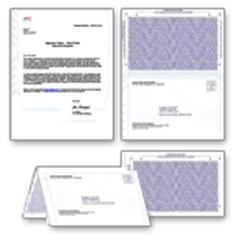
[00:44:08] submit a piece and it’s set up like a letter. And you really want to send us a snap pack and a snap pack is. is the package that, like you get rebates on or a pin number from the bank where you have to tear off. It’s folded and sealed on the edges. Yeah. Exactly. So you have a letter set up. You want to be a snap pack. You submit it and you say, II want it to be a snap pack and you turn on production proof. letter goes into our production facility, we’ll actually create a snapback for it. We’ll take that letter, we’ll create a snapback, we’ll give you back a proof. You say, okay, I like that. And you prove it, and it goes out as a snapback instead of a letter. Nice, nice. So it’s all, you know, we automate where we can, we help with proofing. Once the piece is submitted, you’ll get an alert when- when it’s processed, printed, mailed, delivered.

[00:45:04] We just try to automate the whole process. We’re technology people, so we’re always looking for ways to use technology to make the process look better. work faster and easier. Sounds good. Okay, and then I saw on your website that you have a partnership with the US We were one of the originally we were one of five online affiliates approved by the U.S. Postal Service. There was one to do postcards. We did postcards in the letters. There’s a company did The Postal Service in general, I mean, back when we started, they were a little suspicious. I’m not sure why, but… the postal services come to a brace, services like Ceremail because we make it faster- faster and easier to do mail. So if we make it faster and easier to do mail, people will send more mail, which is a benefit to US Postal Service Plus, if. If you think about the mail we generate, I and it’s going to be…

[00:46:15] it’s going to move a lot faster than the reference you talked about because what we’re going to do is we take that letter um a list for it, and we’re going to presort it, which means we put it through the National Change of Addressiasco database and automatically identify anybody that’s moved. . and that’s how we deliver it to the Postal Service. So a lot of the work’s R T G E E E I E E E E I E E E E E E E much more smoothly, which is a benefit for the Postal Service. do what you do. For instance, one of the printing services that I use and they offer direct mail services. You know, I can either select a

[00:47:28] Series of zip codes in an area or give them a list or whatever, you know So it was it was it’s saying to hear your you are providing the process to get the mailer to the printers who will then deliver and so on. So I guess my question is, you know, there are other people who do similar things to what the service that people choose for mailing? Is it the power of being able to get your mailing done within? rapid time and sent out to your network of printers and facilities across the U.S. I think there are probably people, there’s certainly people who do, other people send direct mail. In the days we would talk about print houses or mail houses or things of that nature.

[00:48:40] direct mail campaigns in the way that we do. Okay. And literally, and if you talk about that application, Speedy, where you’re dragging and dropping on a desktop icon icon, I don’t know, I don’t think anybody, well, I haven’t seen anybody. I’ve never heard of it. Yeah, yeah. So, I mean, that’s the idea is we’re just going to make it faster, less expensive. You know, the turnaround times you’re going to see a service like ZairMail are going to be a fraction of what you might see from a regular provider. As I mentioned, I saw one, I mean just yesterday, literally it was a quote and it was 10 days to get something in the mail. It used to be like that in the printing industry. You know, you’d send a piece to the printer and

[00:49:24] you get something back called a blue line and you correct it and then you send it back. And then that happened two or three times and then finally you get to a piece, the printer would print it. And then printers traditionally didn’t do mail. So then I would have to go to a mail house where they do the folding and addressing. And so, so I mean, it might be a couple of weeks in the process. and ZairMail it’s like literally you submit it now and it’s By the way, the faster you send the faster you’re going to get results results, which for a lot of businesses is really important. That two weeks you’re waiting

[00:49:58] for the other guys, that’s before it even gets in the mail. Wow. So this example that you shared, this 10-day quote. that this customer had, what’s the difference between you? How long were you able to say that you could deliver this within a day? Same. Oh, no, they, the process is completely different. I mean, we, you know, we, when you give us your document, your list, I mean, we, we do a merge version of assuming there’s merge. So some documents have no merge fields. It’s just. But even if it has a merge field, we merge it before you even order it. We show you what it’s going to look like and get you to prove it. But then everything in the backend is automated. So we take

[00:50:54] and they just flow right through the system. They go right, right into actually going to press and it helps that we’re doing a lot of the same kinds of mail. Some of that’s predictable. But we have the electronic stuff on the front end is all automated well understood and automated these days too. In example I gave, I’m guessing they’re just using legacy systems. They’ve kind of always done it that way. their customers haven If I had a customer who told me, hey, I’ve got this, you know, this open house in 10 days work backwards and conceivably we could put something on the calendar for 10 days out so it would arrive at the right time to get traffic at that open house.

[00:51:50] But I don’t have any customers, really, unless they’re scheduled like that, no customers that would be satisfied with 10-day turnaround. I mean, our standard turnaround is 48 hours. We’re doing the next day mailing for a lot of customers. Well, that’s your unique value proposition there. That’s your stick. That’s awesome. It’s high touch too. I mean, if you’ve got an issue, we’re there. We’re going to answer the phone. We’re going to help you fix it. We’re not going to charge you much money to do that. We’ve got a document, here’s what I’m thinking. What if we move this piece here or that piece there? What do you think? And we’ll give you our advice. We’ll tell you what we’ve seen based on what else to network, what we would do. And we’re not going to charge you anything for doing that.

[00:52:44] In our business model, we just want to get stuff in the mail. So any problem we can help you solve that will get your program in the mail is good for both. Yeah, one thing and you do it really well. So just to wrap up, I wanted to ask, you know, every I’m I’m. The chief guide that and every guest on the podcast, I consider them guides as well. So you’re today’s guide. What advice would you want to give to the small business owner that’s listening to this right now. and using your service. What kind of, do you have any tips as it relates to what you do that you can impart to the audience? Yeah, I have a couple of ideas coming up. First of all, if you’re doing direct mail, you should do direct mail.

[00:53:43] I mean, that’s, that’s just, I mean, as I said, if they’re just tools, and there are a lot of different tools, but if you’re going to use this tool called direct mail, you should be using ZairMail, because it’s the fastest, easiest, most reliable way to do it. That’s bottom line. If you wanted to be able to send letters, individual letters, you should download Speedy and use a desktop icon because nobody else does that, and it’s going to be, if you have a letter to send it’s going to be really convenient. Next time you, you want to send a letter to mom or a recommendation letter or something. It’s going to be there waiting for you and we’ll make it fast, fast and easy, and thirdly, I would say in my marketing classes, we cover this idea. Well, I’ve got a model that I can give you a link to other

[00:54:31] I think they’re my big examples, other examples, audio example, or video example. But anyway, something called the strategic marketing model. And the strategic marketing model we use to position our product before we actually market it. So when we think about marketing, when a lot of marketing, they think about the little M. and the little M in marketing is sales. But marketing, strategic marketing is much more than that, right? And so with the strategic marketing model, we by understanding what our product offering is, who we’re targeting it to. the product and the people piece and we need to synchronize those things so they kind of match and then we’re going to go down and look at the pricing and the pricing is a function of cost of goods sold, right? That should be the floor.

[00:55:22] versus value that we’re creating for the customer or competitive offerings. So we pick a price point that allows us to pick our place or our channels. Once we understand the channels, then we can think about promotion and Direct Mail is part of promotion. because the role of promotion is to create awareness and support activity in the channel. So we can’t do that until the other pieces are done. So especially for a small business where you don’t have a lot of money to waste, you may have a very small marketing budget and you have to make the most impact possible with it. Being able to properly create and position your product before you decide on a promotional tool is really critically important. So if you can walk through that process and then start picking tools to allow you to target the right people, the right place.

[00:56:17] and to help with that journey. is going to be really powerful, I think, for most small businesses. Well, thank you. Thank you for that. And you see, that’s why I called him the professor of direct mail. But this was enlightening as it relates to direct mail. never quite got the process of how all this works and your system of being able to access this network using your software, using your tools to make the… initiation of a direct mail piece, you know, easy and simple for customers because I’ve been, I’ve looked at some, there’s some printers or I’ve tried and it’s kind of cumbersome to sit there and go through their platform. So if it is, as you described, then, you know, this is definitely

[00:57:23] be something that people should look at. And so all these bits of information that you’ve shared here, Speedy, I’ll definitely have a link to it. ZairMail will definitely be linked in the show notes along with, you know, ways that people can actually reach you. So can you tell the people where we can actually get in touch with you besides their mail’s website? I know you’re on LinkedIn. There are other places where people can actually communicate with you, or that’s it. Sure. You can get me on LinkedIn, and of course, through ZairMail. Wilson at zairmail.com is my email address. There’s a toll-free number on the site. If you call it and ask for me, you’ll get directly to me.

[00:58:12] I mean, that would be the best rather than getting you to write down another, although I’m happy to repeat it. I shouldn’t, yeah, I’m lots of place on the internet. I shouldn’t be too hard to track down. Okay. And Wilson, this was a pleasure. Thank you. We kind of started off a little bumpy with the technology, but we got it right. We got it right. Thank you so much. This has been very enlightening. And I hope the audience comes away with. at the bare minimum, thinking about the tools that you’re going to use in your marketing. This isn’t the only tool in your toolbox. I’m here to share with you.

[00:59:08] options that you have for marketing your business. Everybody is online. Yes, that’s where you should be. That’s where a lot of people are. But you can compliment your online marketing with offline processes and tools like ZairMail. So thank you again, Wilson, for joining me on the podcast today. And for everybody else out there, thank you for joining us, and I will see you next time. Thank you. Thank you, Karen. That’s all for this episode of the Guiding Brands podcast. I look forward to sharing with you again next week so please don’t forget to subscribe to the podcast and leave a review. Thank you and bye for now.

Easy Ways to Integrate Digital & Direct Mail Marketing

Determining the right balance between digital and direct marketing can be a challenge for a lot of organizations. Issues can arise, when one form is seen as superior to the other, and half of the mix gets neglected. Businesses are now engaged in a very digital world – digital has become very comfortable. It’s easy to predict which form marketers might wish to push aside.

Still, for those in the know, the facts are hard to ignore. Direct mail marketing is much more powerful than many business owners realize. Seventy-three percent (73%) of consumers prefer receiving information from brands via direct mail because they can read it at their leisure. Despite being delivered right to the front door; consumers find this less intrusive than online pop-up ads or social media interruptions. The best part… on average, direct mail advertising is kept in the home for 17 days. The impression really lasts… stalking and retargeting are definitely not required for success.

So, what’s the best way to integrate both digital marketing and direct mail? Here are some simple yet powerful moves.

Allow Digital Response

When a direct mail campaign is received, customers need to know which digital forms of contact they can use to respond. Not everyone wants to make a phone call or go directly to a website first. Including a web address is, of course, a crucial piece of information today. Organizations that deal with a lot queries through WhatsApp or Facebook Chat might find this is the preferred form of response for mail campaigns as well. Direct mail links well with this form of social media when it is clear and easy to connect the in-home online piece with the online platform. We need to make sure that we align the visual content between platforms so the consumer can clearly see the connection.

QR Codes Bridge Gap

A QR code is a 3D barcode that can be printed and displayed online or offline. Anyone with a smartphone can use their camera to scan it, and they will be redirected to an online destination in their browser. Consumers appreciate the simplicity and instant access to information. In fact, QR codes represent one of the leading forms of payment in places like Asia.

A QR code can offer any business more cohesion when connecting offline and online worlds (promotions). Information can be stored in a QR code; to quickly link a person to pages on a website, to showcase discounts and offers, display menus, highlight products, or download apps. They appear technical and can seem intimidating to implement at first. However, there are many applications on the web that will generate them fast and free.

There is often an element of mystery or intrigue offered with a QR code. The recipient may not know where they will land until they scan the code. It could be a secret discount code for the first 100 people who claim it, or a special landing page only for the recipients of that mail piece. It can be a perfect opportunity to be creative and fun, or simply a method to relay important information quickly. Whatever the end goal is (online), it’s quite possible a QR code could help.

Synchronize Branding

Digital and direct mail marketing should not be treated as separate – they are two specific tools that belong in every marketing toolbox. Both tools need to communicate a cohesive and consistent message to clients both online and offline. To illustrate, it would normally be frowned upon to use one style of branding in an Instagram ad and a different branding entirely for the same campaign on YouTube. The same principle applies to direct mail marketing. It should be treated as a combined element of the overall branding; this will build consumer trust and reinforce brand messaging.

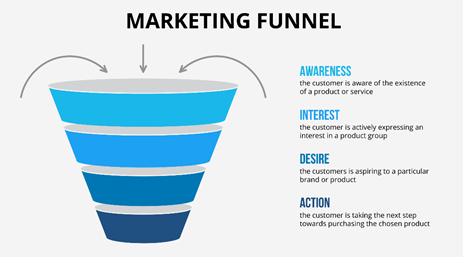
Digital Funnel Capture

When leads are captured, such as email addresses over the phone, or directly in-person in a physical store, they should be added to a digital marketing funnel. These leads can be nurtured over time with periodic messages and offers – leads have a cost, and we don’t want to lose them. Offline leads that are not converted, can slip through the cracks. It can involve more effort to manually capture the entry, but it can be well worth it over time. Even for those brands that have high quantities of digital lead generation, offline leads can often convert better, if they have been given in-person or over the telephone.

There will always be occasions where digital outperforms direct mail – and the reverse can also true. It is important to pick the right tool for the job and to use both to complement each other. This usually leads to much stronger results overall. Personalizing communication to align with each customer’s needs is the ultimate way to balance effectively and produce stronger results.

Zairmail (www.zairmail.com) is the fastest and easiest way to send (real) postal mail. Give us a call anytime at 888.898.0066, we would be happy to help with your direct mail needs.

effective marketing campaign

Top tips on how to conduct an effective direct mail marketing campaign

Yes, direct mail has been around for a while, and it is also regarded as one of the oldest forms of modern advertising. However, its relevance in present-day marketing and advertising cannot be overemphasized — thanks to its dynamic and flexible nature.

If you are uncertain about direct mail marketing, or you have not yet wrapped your mind around how it works, don’t worry, because we’ve got you covered. To set the stage and give you an idea of how much impact direct mail marketing can make on the earnings of businesses; 2021 direct mail marketing statistics show that at least 82% of purchases are influenced by relevant direct mail. This explains why direct-to-customer brands regard direct mail as the offline marketing channel that provides the most profitable cost per acquisition (CAC).

More statistics on direct mail marketing

Statistics from the Data & Marketing Association show that at least 50% of direct mail recipients find direct mail postcards useful. Building on that, Fundera reports show that 70% of customers opt for direct mail because it’s more personal compared to its online counterparts.

Here are a few more tips on how to conduct a direct mail advertising campaign.

Step 1: Determine your target audience

Yes, it always starts with knowing your audience. It would almost never make sense to send stacks of letters or postcards, or any other form of direct mail, without taking the time to identify your target market. Thankfully, direct mail advertising makes it incredibly easy to target a specific target market or audience. All you have to do is identify the demographics (e.g., age, income, gender, location…) that are best suited for the benefits offered by the product or service you are selling.

As you can imagine, if you invest enough time to identify your ideal client and create a custom tailored targeted direct mail marketing campaign, the chances are that you will record much better results, and you will be smiling all the way to the bank.

Step 2: what is the source of your direct mail list

Having identified your target audience, you can shift your focus to identifying your mail list. There are two ways to go about this — you can either use a “house list” or you can purchase an external list. You can opt for the former if you have a good list that has produced reliable results over time. This could be a good approach if you are asking customers for an annual donation from year-to-year. This could also work well if you have a list of “warm” leads from older campaigns.

If you are new in business, or you are trying to test a new target market, then you can buy/rent a mailing list from a third party supplier, like a list vendor or consultant. These lists come in many flavors. Consult this Zairmail library article for more details on finding the perfect list for your campaign.

Step 3: Generate an effective copy

As the famous saying goes, content is king, and at the center of every successful marketing campaign is effective copy. Be creative in your writing style to help gain and hold the attention of your audience. The primary goal is to grab the recipient’s attention, immediately, and avoid being shoved aside. Do not beat around the bush or get too clever. Be direct. Get to the point. People are busy and they have a short attention span, if you don’t get their attention fast, the opportunity may be lost forever. Clearly highlight the key benefits your product or service offers, and then urge the customer to respond to the offer (ask for the sale). In some cases, we can compel an immediate response if we include a deadline or another impending event in our copy.

Step 4: Get your design right

You know, as they say in the culinary industry, people eat with their eyes first. We need to be able to break through the clutter. The mail piece has to “pop”. We can do that by using different colors, fonts, and forms. We can offer up an image that is outrageous or unconventional. We can be cute and cuddly in our approach. We can use humor if we are careful – humor can be a double edged sword. Whatever approach we take, it needs to get/hold attention, and it needs to fit with the overall theme of the campaign, the product/service we are offering, and our brand.

Step 5: packaging and sending process

Once we have all the elements identified, we have to assure that we can execute and get it right. Once we print & mail, it is very difficult to “take it back”.  Print production should take place in a scalable commercial facility that can rapidly and reliably produce a quality product. The service should be able to produce both short-runs (small jobs) and large jobs just as easily. The service should be able to provide pre-sort services to maximize postage discounts – the bulk of the cost in direct mail is postage.

This used to be a time-consuming, expensive, and error-prone process, that required weeks to complete. Thanks to automated online tools such as Zairmail (www.zairmail.com), direct mail campaigns can now be launched in minutes, right from your own PC, and be in the mail the next day. Zairmail even provides tools to track delivery and take some of the guesswork out of mail delivery.

Quality, cost, price, reliability, and customer service are all critical for this type of manufacturing process. Zairmail invented the concept of hybrid (digital to physical) over 20 years ago (1999). The company has continued to invest in automation, and to further refine the process, since that time.

Take the guesswork out of your direct mail campaigns. Zairmail is the fastest, easiest, and most cost-effective way to send direct mail.

Got a campaign or question? WZairmail (www.zairmail.com) is the fastest and easiest way to send (real) postal mail. Give us a call anytime at 888.898.0066, we would be happy to help with your direct mail needs.

The Most Bang For Your Buck

The Most Bang For Your Buck

We are often asked by clients, “how do I get the most bang for my buck, with direct mail”?

Of course, there is not one “right” answer, it will depend on your audience, the nature of your offer, and the goal of the campaign (e.g., awareness, lead generation, direct response…).

There are three factors that have the most impact on price.

First Class or Standard A Postage – First Class postage typically takes 3 days for delivery anywhere in the United States. First Class also provides a return service if the mail can’t be delivered, so that the sender can update their database.

Standard A (Marketing Mail) usually requires 7 to 10 days for delivery and there is no return service. The delivery times can be highly variable. Since Standard A is still called “junk mail” in some circles, there can be a slight stigma with some audiences (e.g., open/response rates may be slightly lower).

The difference in cost is ~$.10/piece. With smaller mailings, it typically makes sense to go with First Class because results are faster, and the cost difference is small. When sending millions of pieces, the cost differential can be significant. In those cases, a hybrid approach sometimes makes sense. We start out sending campaigns First Class to prime the pump, and then transition to Standard A, as volume builds.

BW or Color – BW is going to be less expensive. The difference is also typically ~$.10/piece. Color stands out in the mail and creates a more visually appealing product. Research shows, with many audiences, opens/responses increase when color is used. BW is more common for notices and other common transactional (informational) mail. 

With postcards we have the option of using black & white, color one side, or color two sides. Color both sides it the most expensive, black and white both sides is the least expensive. The most common choice we see is color one side – the address side is black and white; the image (message) side of the card is color. This approach still provides a pop of color in the mail, yet reduces the cost on the address side – which contains mostly return address, recipient, and postal information.

List Size – The majority of the cost (70%+) in direct mail is postage. The USPS offers pre-sort discounts on jobs greater than 500 pieces. Those discounts are passed along to customers in the form of lower prices.

If a job is less than 500 pieces, then we can still use an indicia (square box on the mail piece that says “postage paid”); however, we don’t get any discounts on postal rates. In this case, there will be a slight uplift in the price to cover the higher postage rate.

If the job falls below 250 pieces, then we do not get pre-sort discounts, and we also cannot use a postal indicia. In this case we need to use a live postage stamp. This type of mailing requires full retail postage rates and an additional step in the process to apply the stamps.

It would be common to have a list of (at least) 500 pieces when possible. If not, that is fine, we will always mail using the most cost-effective postage choice.

There are customers who want to make their mailing appear more personal. In those cases, we have clients who choose to use a live stamp on their mailing or use a colored envelope and incur the extra cost. Some also choose to use a handwriting font in the mail piece and/or for the addressing. There is no charge to use a handwriting font or personalize with variable data – we offer this as added value.

We understand that budgets are limited, and cost is always an important concern.

It is always a priority at Zairmail, to give you the best possible value.

Please let us know how we can an assist you.

The Zairmail Team

Reach eCommerce Customers At Their Door

eCommerce customers, who have purchased a product or service, provide a wealth of value in addition to sales revenue. They have often responded to a specific promotion or product search. This can tell us which promotions are working and which keywords are the most valuable. They have also validated the value proposition for the product or service just by placing their order.

They may have signed up for a newsletter or other periodic communication from the company or strategic partners. This allows the company to stay connected, continue building rapport, and to market important new offerings. The customer contact information, and related demographic details captured with the order, can help understand target verticals and high-value clusters for future campaigns/promotions. Existing customers can also help build social media communities and provide referrals digitally by sharing and engaging with the brand’s digital content.

It is often assumed that customers who arrived at a website through a Google search or an email newsletter are 100% digital. However, even these customers have a physical presence. Reaching out pro-actively with a physical direct mail campaign (written message) is a powerful way to re-enforce that relationship and provide an avenue to upsell new offerings in the future.

Collating the Contacts

The first step is to create a list of eCommerce contacts that can be used for mail outreach. This requires that each record has a physical mailing address. If the product was physically shipped to the customer, then we should already have this information. If we used digital fulfillment, then more work might be required to gather this information. The best practice is always to capture a physical address and phone number with each order even if fulfillment will digital.

The list can be segmented based on specific verticals, interests, or customer needs. This will depend on the product or service being offered. This will allow us to send more personalized content to this audience – personalization often increases engagement and response rates.

This type of segmentation can also help us anticipate future needs. A family expecting a child might purchase a crib in preparation for their new arrival. Six months later, that family might need a highchair. In another six months, they might need a walker. Understanding this dynamic, and the stage of the customer, will allow us to map timely offers to their needs as they emerge.

The exported and segmented lists should be imported into a direct mail system. This will make sure that they are ready to be used with specific campaigns. Automated direct mail tools, such as Zairmail (www.zairmail.com), allow segmented lists, and related campaigns, to be uploaded and stored. Zairmail also maintains a complete record the campaigns sent to each list.

Choosing the Type of Mail

A very effective follow-up mail format for eCommerce customers is postcards. Postcards are cost-effective, high-impact, and allow striking images and messages to do all the hard work. They are also low effort on the part of the recipient – the message can be clearly shared with just a quick view and/or read. Zairmail offers postcards in standard, jumbo, or sumo size. Thanks to recent postal rule (rate) changes a jumbo postcard just costs slightly more than a standard postcard. The extra space can be well worth the small extra investment. There are also options to send postcards in envelopes which can be effective during holidays.

We recommend reading ‘How to Pack More Punch with Postcards’ to get the most out of a postcard campaign. Here we’ve highlighted the importance of keeping branding consistent and how to choose a message. The team at Zairmail is always on hand to assist with messaging, design, and lists for clients who would like more guidance.

Link it Back to Digital

Online customers appreciate the right blend of online and offline contact. Direct mail contact should still clearly refer back to the website and social properties. A QR code can help make this even easier by allowing customer to scan a link on their phone and visit online properties.

A brand-specific hashtag can sometimes help with online community engagement. There might be a number of events/activities of interest in an online community – like an upcoming competition or giveaway on Instagram. Remember to post any company changes, or significant achievements, that build credibility for the company and value for the eCommerce customer.

Keep in mint that not all follow-up mail campaigns need to revolve around a specific upsell or promotion. Often, we can use mail just to re-enforce our relationship. Chewy, the online pet medication company, sends physical holiday cards and birthday cards to the pets it serves (addressed to the owners). This re-enforces the brand, builds a sense of caring (reciprocity), and makes people smile. It is hard to put a value, or calculate an RoI, on the type of goodwill generated by campaigns such as these. Ultimately, it boils down to building a more personal (human) connection, with online customers, to build brand value and a sense of authenticity.

Zairmail (www.zairmail.com) is the fastest and easiest way to send (real) postal mail. Give us a call anytime at 888.898.0066, we would be happy to help with your direct mail needs.

The Truth About Direct Mail in a Digital World

The Truth About Direct Mail in a Digital World

We live in an increasingly digital world. It seems only fair to ask, in a world bursting at the seams with digital content, do consumers still prefer to receive physical mail?

Research confirms that 81% of consumers prefer to receive mail at their home address. Consumers are bombarded with digital messaging 24 x 7 – email, banners, video, social media… – these days the ads can even follow consumers around and stalk them as they browse. Consumers still feel the pressure offline too – digital billboards, contextual video, electronic displays, water closet media – some airports even hold consumers captive in shelters, and broadcast ad content, while they are waiting for the bus in long-term parking.

The only escape for consumers is to block it out – ALL of it.

Direct mail allows the consumer to be in control. They can choose when they engage. The USPS often refers to the “mail moment”; the slice of happy time when consumers check the mailbox and see what surprises have arrived. The consumer can choose which pieces are opened, which receive immediate attention, and which ones are set aside for later. A direct mail piece can be touched/read 4.5 times after arrival. This level of control makes the mail less threatening and more comfortable for consumers.

Unlike digital media, direct mail is tactile/tangible and has the potential to build a physical connection with the consumer. It can also be personalized to build a tighter bond between the brand and the consumer. Seventy percent (70%) of consumers say mail makes them feel more valued. When customers feel more important, they are far more likely to engage with a brand, spread the message to others, and generate organic brand awareness – both online and offline.

A well-targeted and executed direct mail campaign can have an impact far beyond the immediate responses that are received. The clue is in the word… it’s “direct”. It does not have to be a generic ad that is indiscriminately shared with millions. It can be far more targeted, intimate, and special then that.

How can businesses benefit from this preference to break-through the digital noise?

There are several different types of direct mail formats that can be used. Selecting the right format for the audience, the objective, and the offer is an important first step.

Postcards can be an effective tool for simple messages that are easy to explain. Using an image and creative layout that “pops” can help break through the clutter and provide an immediate impression – like a targeted billboard in the mail. If the image/offer is memorable enough it can earn a spot on the fridge – which is the ultimate goal (and compliment)!

Traditional postcards may not be ideal if personal information must be included. Anything printed on a postcard is exposed to the world. The space is also limited, which limits the ability to explain complex topics/offers. The most popular postcard sizes are the standard postcard (4” x 6”), the jumbo postcard (6” x 9”), or the sumo postcard (5.5 x 11 or 8.5 x 11).

The standard postcard has long enjoyed a discount postage rate. The current price for postcard postage is $.40/piece, compared to $.58/piece for First-Class letter mail. The most recent postage increase (there were two in 2021), extended the discount postage for standard postcards to jumbo postcards. This means that a jumbo postcard can now be mailed for just slightly more than the cost of a standard postcard.

Postcards can also be inserted into an envelope and addressed for special occasions or during the holiday season. This technique can deliver holiday cheer to friends, family, and customers, for a tiny fraction of the cost of traditional greeting cards. The tactile/tangible nature of the card also makes it far more impactful than a digital greeting card.

When personal information is involved, or the offer is more complex, then a more traditional letter can be the best choice. The first challenge with letter mail is to get it opened. The best technique to get “an open” really depends on the audience.

Some mailers strive to make letters look more personal using a closed-face envelope with no windows, handwriting fonts, and/or a live postage stamp instead of an indicia. A postal indicia is a permit that can take the place of a stamp on pre-sorted mail. Pre-sorted mail is eligible for discounted postage rates. That means that even though using a “live” stamp can appear more personal, it does come at a cost – the mailer loses pre-sort discounts and has to incur the cost of placing a stamp on each letter.

A different approach is to make the letter look like a bill, so the recipient might be concerned about not opening it. With this type of mail, it is common to use a double window envelope, professional fonts, and a postal indicia. We can also add a teaser message to the outside (e.g., final notice, do not ignore, only to be opened by addressee, …) that makes the mail piece feel more official, urgent, or essential.

These techniques really represent opposite ends of a continuum. There are many different variations and techniques in between we can use to improve open rates. Of course, once the letter is opened, we still need a response to be successful.

A pressure-sealed mailer, often called a “snap-pack”, can also shield personal information just like a letter. Consumers often experience snap-packs when they receive a new PIN from their bank or a rebate from a consumer products company. The recipient tears off the edges before folding the mail piece open. Snap-packs are not as common, so they attract attention right away. They also have the feel of official communication, so consumers can be nervous about ignoring them – what if there is a PIN, rebate, or award inside?

The ultimate response rate of direct mail campaigns is also a function of the audience that we are addressing and how compelling an offer that we make. Coming up with a winning formula really requires testing and fine-tuning over time.

Based on the potential for direct mail, should digital really take a back seat?

Direct mail is one form of direct response marketing that uses physical mail. Direct response techniques can be used with multiple mediums (e.g., mail, email, television, radio…). These can all be effective promotional tools and do not have to be mutually exclusive. In fact, digital campaigns that include direct mail are 13% more likely to engage customers. Digital techniques should be used in combination with mail to boost returns. The question is not, “what is the right format/technique?”; the question should be, “what is the right mix of tools?”

In the digital age, automation can be a critical aspect of marketing campaigns. It allows us to plan in advance, map out the customer’s journey, and do more with less. The good news is that direct mail can be automated just like digital tools.

Automating mail campaigns creates a number of opportunities:

Campaigns are submitted faster with fewer errors

Campaigns are produced/mailed in a fraction of the time

Mail delivery is tracked automatically and integrated with response data

A complete (digital) history of campaigns, lists, and results is maintained

Response rates and sales results can be tracked in real-time

Small volume jobs (short runs) are no longer a challenge. This allows us to test additional concepts, more frequently, using smaller campaigns, to find winning formulas (efficiency).

Customers can respond online, offline, or in person – whatever is most comfortable. QR codes or URL’s/PIN’s can be used to link direct mail campaigns to online destinations.

The customer journey can be scripted with a pre-conceived and automated series of campaigns and touches. Sales programs become a well thought out “process” rather than a fortunate “event”.

The digital revolution has introduced new tools with new capabilities. Direct mail has a number of qualities that digital tools do not. The two can/should be combined to create campaigns that are more targeted, more effective, more measurable, and more predictable. Zairmail provides online tools that automate direct mail campaigns.

Zairmail is the fastest, easiest, and most cost-effective way to send mail.

Zairmail (www.zairmail.com) is the fastest and easiest way to send (real) postal mail. Give us a call anytime at 888.898.0066, we would be happy to help with your direct mail needs.

Conjure Some Postcard Magic!

Conjure Some Postcard Magic!

Are your direct mail campaigns meeting your sales objectives? Give yourself a powerful treat this season and boost your ROI. These three simple techniques can help improve the effectiveness of your campaigns. Put them in your sack and take home the potential for supernatural returns.

In that spirit, Zairmail once again shares the 70/20/10 rule. The success of any direct mail campaign is based on the list (70%), the offer (20%), and anything left, the creative (10%). This can be a little counter-intuitive. There are many direct mail advertisers, and agencies, who focus on creative first – of course, that’s the fun part. Still, we all know from experience, if we put the right offer in the hands of the right prospect, good things tend to happen.

1. How is your list?

The list is often the most overlooked piece of a mailing campaign. Yet, it is the single most important ingredient for success, and often the easiest to adjust. With the rising cost of postage, the last thing we want to do is send a letter or postcard to anyone who will not be motivated to action, now or sometime in the future. Remember, it is a-okay to use direct mail to establish a brand and solidify a rapport, even if prospects will not purchase today.

Is The List Defined?

Just ask yourself, who is your ideal client? How do you define them? We often define consumers in terms of demographic characteristics such as geography, gender, income, family characteristics, … If our customers are businesses, then we can look at factors such as geographic region, size (e.g., sales, employees, offices, …), industry, growth rate, … The more specific that we can be when it comes to defining our ideal customer, the better opportunity we have to find the right list and create winning offers.

Do you have a house (customer) list? This can often be a good place to start. The people who have purchased your product(s) or service(s) in the past, can provide a snapshot of what our best future prospects look like. We need to nurture those relationships and then continue to grow our base of potential clients. If we don’t have a house list, or the list we have is a little starved in terms of reach, then we can always purchase additional contacts. One of the key advantages to direct mail is that demographics for lists are extremely well developed. We can pull lists based on any/all of the criteria outlined above – and a lot more!

List Health?

How healthy is your list? Harvard University tells us that over the past five years, each year more than 13% of the US population has moved. Over a three-year period of time that means 40% or more of your addresses could be bad. If you are using Zairmail for your mailing, then we automatically run each list (over 500 records) through the National Change of Address (NCOA) database and Coded Accuracy Support System (CASS) to assure that we are using the most current address and it’s deliverable.

Still, since postage represents ~70% of the cost of any direct mail campaign, we don’t want to burn postage on any mail that can’t be delivered. We need to keep all our lists updated and accurate. It can often be less expensive to replace an old list, rather than spending money on postage, just to see piles of undeliverable mail return.

Spend a little time reviewing the Zairmail Mailing List Boot Camp for more tips on how to find the perfect mailing list.

If you need more help, Zairmail provides electronic access and real-time counts for consumer lists from Acxiom, and business lists from Dunn & Bradstreet, as well as thousands of other specialty lists.

We can definitely help you rattle some chains and scare up the right list.

2. How compelling is your offer?

If we are sending mail to an existing or prospective customer, then we want them to do something, right? What do you want your customer to do? Do you want the recipient to send you a check? Do you want them to pick up the phone and call? Do you want them to visit your website? Do you want them to keep you in the mind for some future need? Do you want them to tell their family and friends about you? These are all legitimate goals for a direct mail campaign…of course, there are many more outcomes we could consider.

What will motivate the recipient to take that action?

Do we want to offer a one-time discount to get them used to purchasing from us and experiencing the benefits first-hand? Do we offer a free no-cost “analysis” so we can show the customer what to purchase and how they will benefit from our offerings? Do we offer a referral program, so that those who know us best, will send us qualified prospects that they know well?

There are also different styles of offers. One technique in sales is to start with a small “ask” to win the customer’s trust with minimum perceived risk. Another technique is to start with a big “ask”, and then rachet back, to let the customer discover their own comfort zone. Of course, we can mix and match these types of techniques to align with our products, services, and audience.

Refinement.

Once we have a potential formula in mind, then we need to put that message into bold and action oriented words. We need to state (a) what action we want them to take, and (b) what benefits they will receive in return. To the extent the benefits (far) outweigh the actions/cost, the results should be significant.

It is not unusual to have a few different ideas. One of the other benefits of direct mail is that you can test. Break your list into pieces, try different offers with each list, and then continue to refine the one that pulls best. Once we get a piece that performs well, then we can really step on the gas. However, this really should be a process of continuous improvement – we can always get better.

We need to make sure that any offer is time limited. Offers that don’t expire usually just gather cobwebs on the counter. We know, as a general rule in sales, that the further we get from the initial point of engagement with the client, the less likely they are to take action. We need to make sure that we provide a deadline to serve as a motivating force and remain top of mind.

3. Let’s get creative.

Creative might represent only 10% in our formula for success, but it can still be critical for success.

Consider a direct mail postcard. The first thing that must happen before your client can take action is they must get your message. Postcards have the benefit of being a small billboard in the mail. We still need to claw through the clutter and come out on top. This quite often entails a show stopping image and a compelling teaser (text).

There are many creative appeals that can be used: shock, emotional, humor, artistic, … We have covered many different ideas/approaches over time in this blog. The list is quite literally endless. We just need to make sure the appeal, image, and the copy text, all play well together and communicate a singular message and call to action. We also need to avoid clutter. Often, in this environment, less is more. People are busy, they have limited time to spend; be simple, be direct, make your offer pop.

We have offered many other tips on this blog here are some other interesting posts:

  1. Top tips on how to conduct an effective direct mail marketing campaign
  2. Stay ‘Top of Mind’ During the Holidays
  3. Howl For Your USPS Postage Treats Now!
  4. Going My Way?

By all means, be creative, super creative even; but don’t let your message get lost in the art or elegance. We have seen simple black and white postcards with a clear and powerful message that summon up astonishing results.

Now, how is that for a sweet treat?

Happy Halloween!


About the Author

Wilson Zehr, PhD is a Direct Mail Industry Expert, Direct Marketing Specialist, and CEO of Cendix (www.cendix.com), the leading provider of Web-to-print solutions that increase sales both online and offline. He is also the founder of Zairmail (www.zairmail.com), the company responsible for many "industry firsts" in direct mail.


Click here to get a free Zairmail Sample Kit with all the information you need to get your direct mail campaigns off the ground!


Sign-up for the Zairmail Newsletter

Receive direct mail tips and insights that can help grow your business, sent right to your inbox.

Sign-up for our email newsletter, and you'll also get a free Zairmail Sample Kit.


Zairmail Direct Mail   1.888.898.0066   503.624.6099

Home     Send Direct Mail     Free Sample Kit     Login

Frequently Asked Questions     Contact Us


© 2003-2026 Cendix Solution. All rights reserved.    Terms and Conditions    Privacy Policy


Zairmail site is secured through GoDaddy SSL Zairmail site is an Authorized Partner with First Data Zairmail is an Authorized Affiliate Merchant with the U.S. Postal Service Zairmail is a Known Shipper with the U.S. Deparment of Transportation Zairmail is PayPal Verified Zairmail is a member of the Direct Marketing Association Zairmail is a member of the Printing Industries of America Association Zairmail is Microsoft Certified Partner Zairmail is a member of the Intel Channel Partner program