Interesting Mailings | Direct Mail Journal
 

Direct Mail Journal

Direct Mail and Marketing Tips

Archive for category: Interesting Mailings

Modern Marketing Tactics 

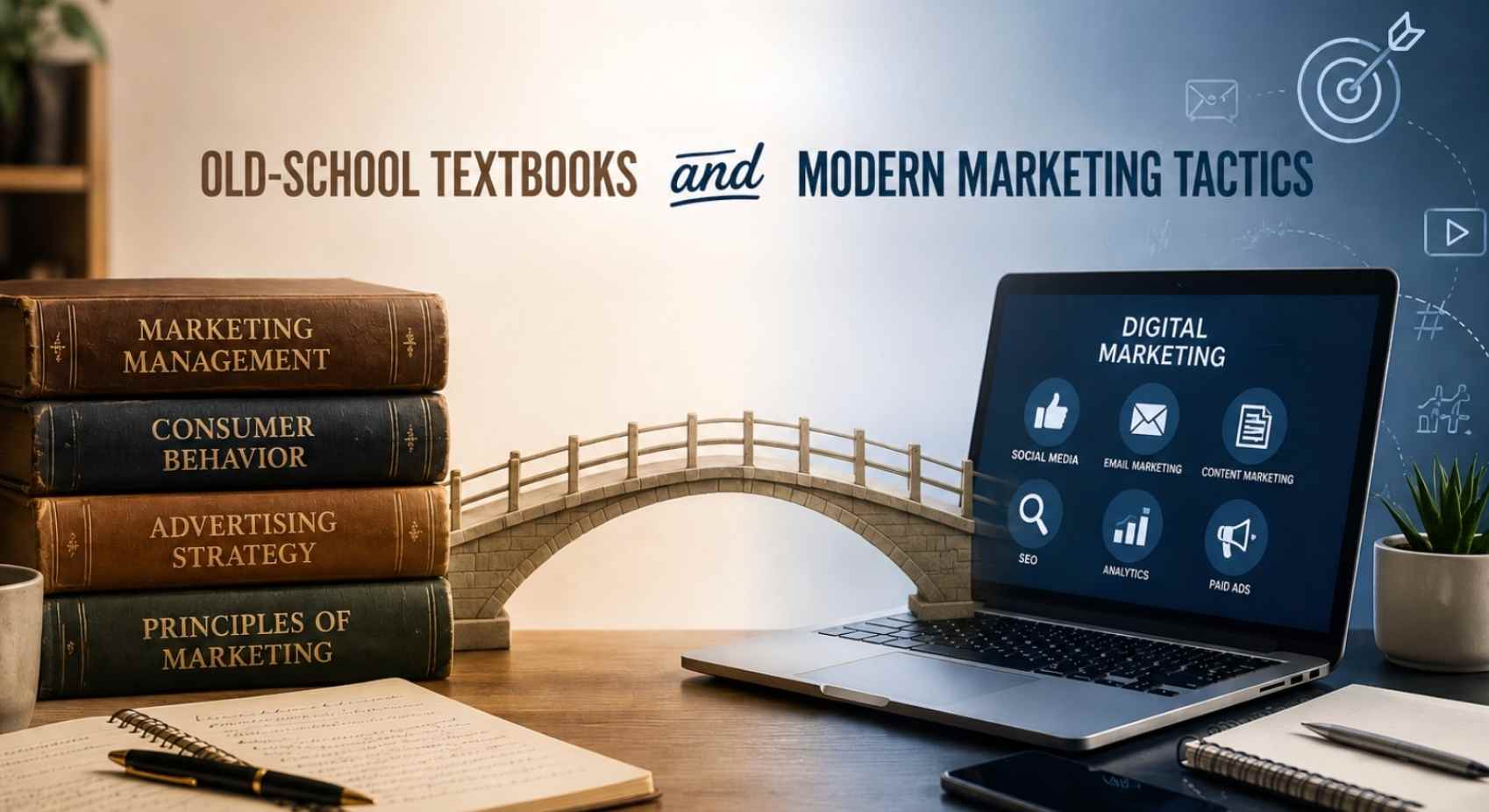
Essential Ways to Bridge Old-School Textbooks and Modern Marketing

Episode Details

Podcast: ClickFunnels Radio
Episode: #795 – Bridging Oldschool Textbooks and Modern Tactics with Dr. Wilson Zehr
Published: December 17, 2025
Guest: Dr. Wilson Zehr
Guest’s businesses: Zairmail and Cendix
Guest’s title: Marketing Professor and Serial Entrepreneur
Duration: Approximately 54 minutes (53:45)

Apple Podcast: https://podcasts.apple.com/us/podcast/bridging-oldschool-textbooks-and-modern-tactics-with/id1079993982?i=1000741656313

Marketing today sits at an interesting crossroads. On the one side, traditional methods endure: direct mail system, print advertising, relationship-based selling, and offline campaigns. Meanwhile, fast-moving digital tools include social media ads, AI-driven targeting, email automation, and search optimization. Together these options form a balanced framework for lasting customer reach.

When integrated, this blended approach creates a cohesive marketing system across multiple channels for diverse audiences. Teams can test messaging, reallocate budgets, and measure outcomes with clear signals over time. Ultimately, the combined method improves reach, relevance, and response rates for broader audiences.

From Theory to Real-World Application

Academic marketing principles often focus on frameworks, consumer behavior, segmentation, positioning, and the marketing mix. These foundations remain valuable because they explain why people make purchasing decisions.

However, real-world marketing goes a step further. It requires testing, iteration, and creativity. Businesses that succeed today are those that take these classic principles and apply them in dynamic environments where customer attention is fragmented across many channels.

The gap between theory and execution is where innovation happens. Modern marketers are increasingly blending structured learning with hands-on experimentation to build strategies that actually perform in the market.

Why Traditional Marketing Still Works

Despite the dominance of digital platforms, traditional marketing methods like direct mail continue to deliver strong results when used correctly. In fact, direct mail often achieves surprisingly high returns because it stands out in an increasingly digital and crowded world.

Unlike emails that can be ignored or ads that can be scrolled past, physical mail has a tangible presence. It creates attention simply by existing in the physical space of the customer. When paired with strong targeting and compelling creative, it becomes a powerful conversion tool.

The key takeaway is not that traditional marketing is “better,” but that it still plays an important role in a diversified strategy.

Creativity is Still the Biggest Advantage

One of the most overlooked aspects of marketing is creativity. Whether the channel is digital or physical, creative execution determines whether a campaign is ignored or remembered.

Simple but unexpected ideas, like personalized mail pieces, unusual promotional items, or interactive campaigns, can significantly increase engagement. In a world where consumers are constantly bombarded with messages, novelty and relevance matter more than ever.

Great marketing doesn’t just deliver information. It creates an experience.

Building a Complete Marketing Toolbox

Modern marketers are no longer tied to a single channel. Instead, they operate like system builders, combining multiple tools:

  • Direct mail for attention and memorability
  • Email marketing for nurturing relationships
  • Social media for reach and engagement
  • Paid ads for scalability
  • SEO and content for long-term visibility
  • AI tools for optimization and personalization

Each channel has strengths and weaknesses. The goal is not to rely on one, but to integrate them so they support each other across the customer journey.

The Role of AI in Modern Marketing

Artificial intelligence is rapidly changing how marketing works. From content generation to audience targeting and predictive analytics, AI helps marketers make faster and more informed decisions.

Search behavior is also evolving. People are increasingly relying on AI-driven results rather than traditional search engines alone. This shift means businesses must focus more on clarity, authority, and value-driven content that can perform well across multiple discovery platforms.

However, even with AI advancements, the fundamentals remain unchanged: understand your audience, solve their problems, and communicate clearly.

Conclusion

The most effective marketing strategies today are not purely old or new, they are integrated. Traditional methods like direct mail still hold power, while digital and AI-driven tools offer speed, scale, and precision.

Success comes from combining these approaches into a unified system. Businesses that understand both the foundational principles of marketing and the evolving digital landscape are the ones best positioned to grow in a constantly changing environment.

Apple Podcast
https://podcasts.apple.com/us/podcast/bridging-oldschool-textbooks-and-modern-tactics-with/id1079993982?i=1000741656313

👉 Book on Calendly

Free Direct Mail Sample Kit

See direct mail before you send it

Get samples of direct mail postcards and letters, plus service details to help you launch your first campaign. Your kit ships free by USPS.

Request Your Free Sample Kit →
Click to View Full Episode Transcript

Podcast: ClickFunnels Radio
Episode: Bridging Oldschool Textbooks and Modern Tactics
Host: ClickFunnels Radio
Guest: Wilson Zar (Seasoned Entrepreneur, Academic & Founder of Zairmail)


[00:00:01] Welcome to ClickFunnels Radio, the podcast that brings you the latest strategies, insights and success stories from online marketers just like you who utilize funnels to grow their business. Our Join us every week as we bring you exclusive interviews and thought provoking discussions that will revolutionize the way you approach online marketing. and Tyler Wicks. Welcome back to ClickFunnels Radio. My name’s Chris Cameron and joined with me as always is the wonderful Tyler Wicks. You got wonderful today. Like an hour ago, I was wondering what it was going to be today. Apparently, do you write down any guesses? I thought you were going to go back to debonair for some reason. That one was classic.

[00:00:54] Tyler, I’m excited today, man. This is… You know, occasionally we get people who reach out and they’re like, hey, you know. I don’t know whether it’s brokers or whatever and we’re pretty choosy, you know about as much. But just to give you an idea, we’ve got Dr. Wilson Zehr here. He has 20 plus a year experience in entrepreneurship, business operations. direct mail even. And actually he is a professor at the University of Eastern Oregon, right? Eastern Oregon University. Most recently Eastern Oregon University. Excellent. Well, welcome to the show. Do I call you Dr. Z? What do I call you? Dr. Z works, Wilson works. It’s whatever feels comfortable to you. I’m not sure anybody’s ever used debonair. You have an MBA and you have a PhD, but you have always done marketing and entrepreneurship and consulted with that.

[00:01:55] Tell me kind of about it and then you teach at university as well. you balance this as well, because a lot of entrepreneurs it You know, it’s not what it used to be, it’s not this and we’re That’s a great question. Usually when I’m teaching at the University of Valorment, I teach marketing, entrepreneurship, finance, and business strategy. My undergraduate education was in finance. a degree in finance with a minor in computer science. I spent five or six years as a software engineer and then went back on my MBA and worked in marketing strategic alliances, business development and executive leadership. I kind of followed that path and I actually have coursework for three PhDs.

[00:02:54] They have one. just, you know, kind of lifelong learner, always curious about stuff and ended up, you know. It seems like whenever there’s a lull in a startup environment, I’ll dig in and do some academic stuff just haven’t learned, you know, learned from the students as well, learn new stuff that, you know, just from, you know, teaching with the students I’m supposed to be teaching and I end up learning. And so that’s a, that’s a good thing. Yeah. So talk to me as you teach entrepreneurs, like I said, it’s maybe it’s just a ClickFunnels thing. Maybe it’s, it’s not, but a lot of them are like, Like for me I dropped out of? And I’m not throwing shade at all it’s you know traditional education so talk to me about how you kind of balance that of like hey when do you know like to go get fully educated as an entrepreneur maybe depends on who you are tell me kind of some of your thoughts on that on entrepreneurship and education.

[00:03:55] Yeah, that’s There’s a lot more that happens in the university environment than just education too. The education is key. We try to make that meaningful. I can talk about some of the things we do in entrepreneurship. I built the entrepreneurship program at Eastern Oregon University. I played a big role in what they did with Oregon State and Portland State University. and northeastern, some other places that work. But beyond the educational piece, which is important. I mean, there’s a big piece of socialization. I try to understand what you want to do. getting, say, a broader worldview. I mean, there’s…

[00:04:42] You know, there’s a lot of growing that happens in that period of time. You know, if somebody’s going through school 18 to 22 years old, it’s a huge growth period as an individual, you know, from really, you know, to become an adult, to become a professional. And so we help try to help students with all of that, not just, you know, trying to figure out what’s in the textbook. Beyond that, entrepreneurship, I think, is something that you need to experience too. the stuff that’s in the textbook we we spend time talking about other entrepreneurs we highlight people that have been successful even people you might not think i mean one of the We do something called an Eastern Oregon called the Pub Talk, where we set up an environment, a local group of which the entrepreneurship.

[00:05:29] I think I saw that on the website. You had some video things and one of them was the PubTalks. Exactly. One of the faculty members started side-aid brewing and the Entrepreneurship Club helped with that. So we got to help put that together, but we put these pop talks and we bring in noteworthy entrepreneurs and we give them a chance to talk about their entrepreneurial journey. What does your background look like? Where did the idea come from? How did you get started? What did you enjoy? What would you not want to repeat? what’s next, you know? And so we talk through that, you know, to try and highlight heroes, you know, because we want, you know, a entrepreneurs to be able to look at somebody and say, you know. If they can do it, I can do it too. Tim Draper is a big believer in that idea of heroes, having heroes.

[00:06:23] people on, like we had a woman who does some music, you know, as a music artist. She’s… She’s a country music artist, you know, and she decided that, you know, she was really big in the music scene in Spokane, Washington. In order to be big in country though, you have to kind of have to go to Nashville. So she moved to Nashville. She did some work with Dolly Parton, and did some voiceovers with Dydney, and she’s got some, you know, some great, you know, original work. But her job is, you know, carving out this career in the music industry is building her own personal brand. And how do you find the next gig? And, you know, how do you get your music? And that’s entrepreneurship, right? It’s a different form, but it’s entrepreneurship. You have somebody goes and they, you know, they play basketball.

[00:07:13] Yeah, they get paid by the team, but they’re also building a personal brand. You’re going to have to monetize that for a lifetime. What does that and we have more traditional entrepreneurs, you know, that, you know, small business. I mean, from the university environment, we tend to. I I mean, there’s tend to be two ways to approach it. One is a small business approach where we say, you know, we’re going to create a florist or a plumbing company or something of that nature, which is interesting and important. I mean, there’s an important role to play for those kind of ventures. The approach I like the take, it is more like high-growth enterprises, right? We’re going to create the next Amazon or the next Google or the next Apple. I mean, if you look at the, you know-know, the Magnificent Seven, you know, the big companies that drive the economy 40 years ago, none of those companies, 40 or 50.

[00:08:04] 40 for sure. Most companies never existed or if they existed, they were in embryonic state and so that’s what drives our economy. of some entrepreneur decided to get off the couch, run with an successful. Now, you don’t need to own all of those tools. I mean, I don’t have to count. I mean, I know how to find accountants, but they have to get an education. And I need to probably know how to manage them. I need to know where to use them, and where not to use them. At some level, being an entrepreneur is kind of like being an engineer. or an architect too. You’ve got to put together this venture, figure out where all the pieces are coming from. Anything that’s lawmaker I want to own, anything that’s I’m passionate about, I probably also want to own too, but other things I can bring in partners to help with that.

[00:09:03] Funny, I remember having a gentleman into a class one time who was very successful at this window company that was sold to… I don’t know remember the name in a minute but a very large window company but he was he was in six years and seventies and i said how how do you know you know how do you how do you know where you want to go or where you start what the opportunity looks for he said well he says everyone has gifts. and everyone has capabilities. So gifts are things that you can do really well or passion, things that you’re passionate about. He said their ideal opportunity is somewhere in the middle, something you’re passionate about that you’re also really good at. But we still have to turn that into a business, so we have to know what a business is.

[00:09:52] Exactly how it works, what the pieces are, where to find those pieces. Could I muddle through it and do it on my own? Sure, I could do that. And some people do. But I would miss out on all that other stuff that happens in the university environment too. So it’s trade-offs like every other decision in life, you know. Yeah, that’s, that’s a great answer. Um, so interesting you bring up, you know, uh, practitioners or doctors or musicians or athletes and they get very, very good at their trade. But oftentimes they go out, if they’re going to work for someone, that’s one thing. but oftentimes they’re gonna start their own practice or they’re trying to get their name out and bill like that personal branding and the people who I find the most successful are those who can be the entrepreneur be good at their trade but also be very very good at marketing and running the business of.

[00:10:41] their trade there’s a lot of holes to fill in and there’s a couple ways to learn that right is one is school hard knocks the other is is you know university environment as well. Talk to me about maybe how you talk to people or teach them about. the vision of that personal branding the running you know the running the business even if they are a musician a doctor and athlete or whoever. !!!!!!!!!!!!!!!! Yeah, well in the university environment too, I mean, you know, that’s what that whole, you know, we’ve got general education requirements, right? So people learn about language and literature and, you know, art and other things. So hopefully you get a broader base to build.

[00:11:29] We do we get students across the university involved in entrepreneurship they want want we do we get students across the university are involved in entrepreneurship they want to know you know musicians artists R. they want to know how to build a business and it really did that. Depends on which way you’re gonna take it. I mean a lot of those folks. I’m an artist. Maybe I want to start my own gallery more of a small business focus and Certainly you need to know about advertising marketing and more fundamental skills like accounting and finance and things like that I just,ocally talk through a process, you know, of entrepreneurship, we talk about identifying an idea, creating the product concept and how do we market it. And so we, we talk about personal brand within that context.

[00:12:15] But I don’t think that’s just limited to students in the university. Yesterday there was a guy here, a gentleman here who came to install Christmas lights. And he, he’s got this business he’s starting. He does, other times of the year, he does power washing, pressure washing, and he does windows. And he, you know, youngish, you know, mid-twenties. And he, he said, well, you know, I a- I know you were marketing, and, you know… I don I don’t have jobs, I go around, I just knock on doors in the neighborhood and I see, you know, people, I’m doing power washing, I’m putting up lights where, you know, it kind of sets you up. And I. Well,- how’s that working for you?

[00:13:07] that number. They say, well, you know, ten doors, knock on ten doors, I get probably two people answer, you know, and of those, maybe one wants me to come back later, maybe one will sign up for, and somebody says, well it’s to the mouth, let’s figure out how it’s working out for you, you know. And I went there, we talked about other kinds of tools. I said, you know what? If you have a list, if you knew what your ideal customer looked like, we could find a list of those people. Maybe go out and do them with a postcard. Maybe you’d spend a lot less time walking and a lot more time working, less time sewing. I mean, how’s that? How’s that? That’s interesting. I never really thought about that, you know.

[00:13:41] There’s a lot of, there’s a lot of things we can do when we have tools that will give us choices that help us build our business. And that was the other thing I shared. Will you working on the business and working in the business. It’s a really tough trade off. He’s knocking on doors and talking to people. He’s working on the business. When he’s actually on the roof, he’s working in the business. It’s really difficult to do both at the same time. But entrepreneurs tend to view their time as free, right? It’s got no cost- It’s got no cost to it. But honestly, if you’re an entrepreneur, especially a small entrepreneur like this guy, he’s only has one person working at his company, that is the most expensive resource. Time is expensive, you bet.

[00:14:42] You know, so, so how do we save your time? How do we make it so that you spend more time on the roof and less time knocking on doors? Yeah. Yeah. It’s crazy. Like, so go ahead, relent. I was just gonna I felt like this was a good, uh, Transition spot because you are kind of a direct mail guy and you brought that up a little bit and I I love direct mail So I definitely want to talk prospect that You know and for businesses like that it’s a good fit but yeah, tell us tell us a little bit about your direct mail background It’s interesting because I was… Fresh out of school, I spent time as a software engineer, five, six years as a software engineer, went back on my MBA and then worked in marketing, product marketing. So as a product marketing person, I use direct mail on a number of different campaigns. And honestly, as I moved into strategic alliances, stop using and stop thinking about it.

[00:15:42] When the internet took off, we were looking at in convergence businesses, we did a business on voice over the IP, and then created this company called ZairMail. And the point of ZairMail was to make direct mails fast and easy in the email, to make mail in general, as fast and easy as email. you know, as technology guys, we thought as male, how hard can it be really? And we found out that it’s really pretty complicated in some ways, but we make it really simple. And, you know, that caused me that and then, you know, in this focus of marketing from a teaching standpoint. really, you know, caused me to rethink direct mail and how it fits together and how you can use it to grow your business and what’s important. And I guess, you know, the work come out on that is that it’s not.

[00:16:36] You know, people talk about digital versus direct mail versus AdWords versus whatever. I mean, but those things are not mutually exclusive, right? And I grew up as kind of a gearhead, worked on a lot of hot rods and stuff, still play around. You’re talking to the right guys then, for sure. Yeah, you’re speaking Chris, Chris’s language for sure. We can suck practice immediately. Yeah, we can talk about, we can compare when we’re having a driveway. We won’t do that on here. No, well, yeah, no, I’m sure you’re way ahead of me, but at any rate, but it’s still an area of special interest to me. I’ll put it that way.

[00:17:27] But as a mechanic, you know, back in the day, I think they probably still do this. They have something called a flat rate model. And so you get this car to work on, and they’d say, R&R transmission, you got, you know, 6.5 hours. And if you could do it before, you made a lot more money, right? You still got paid for 6.5, but you finished in four, you can go on to the next job. But the, The only way to do that was to have the right tools. You had a big tool chest and with special tools for everything, you knew the right tools, your new houses, you could knock it out, you could really make some good money. That’s a young man.

[00:18:01] And so in marketing, it’s not exactly the same, but it’s similar. We’ve got all these tools we can use, and we’ve got and customer, we’ve got a product, we’ve got a value proposition, we’ve got value proposition, we’ve got a target audience. So we’re going to engage with that customer, interrupt them. build awareness, establish preference, drive a sale, you know, how we can help them along their customer journey. And we’ve got a whole lot of tools we can use to do that. And so and different tools have different capabilities associated with. And so when when we’re working on campaigns, I don’t know, digital or direct mail or is it, you know,

[00:18:39] a bench or the a side of a bus, I say, what is it going to take to connect with a customer and move them where we need them to go? So direct mail as a medium does some things, some important things that nothing else does. First of all, I can reach every household and business in America six days a week. Right, because every, you know, just about the Postal Service, that’s their charter was to deliver mail and people have addresses, you know, that, well, I guess unless they’re living in the car. Unless they live in Portland, Oregon. He went there. He did. But anyway, reach every household business in America six days a week. Secondly, it’s proactive communication. Christmas-like guy here is talking about Facebook apps. Great tool. Love that for a consumerearances application. But it’s also…

[00:19:36] Is passive to wait for people come find me i don’t find them and even when they come find me it’s really noisy there’s a lot of other people selling stuff to direct my own that channel right i connect to the customer and they’re focused on my piece for. for some period of time. So it’s proactive. I can start up that conversation. I can have it when it suits us both. Thirdly, it’s precise audience targeting. If I want to reach Jewish Denison, New Jersey, who purchased a car in Alexis Month, I can do that. That’s really hard to do online. The list are very in fact if you know that’s why it’s such a big deal for things like mortgage and credit profiles and i can get really good at finding exactly the person who can benefit from what i’m selling.

[00:20:29] Think about a CAF. I’m going to find somebody who needs a payment lower than what they are. I know what my interest rates are so I you know, coming to work and getting the mail and then going through it. And, you know, the US Postal Service, they talk about the mail moment, you know, the mail arrives and the sunlight comes from the heavens and there’s music and I’m not sure it’s quite that romantic, but it is built into the the normal American process. And people aren’t mad when they get it, usually, you know, it’s a lot different than when you get that cold call during dinner, right? So that’s why on average direct mail returns on, you know, about $12 for every dollar invested according to American Marketing Association and the Direct Marketing Association.

[00:21:25] Is it the only tool that we can use? Absolutely not. I can give you examples of multi-media campaigns that we’ve done that have been very successful that use direct mail, that use digital, that use… large door hangers and coffee talks, just going out and talking to people. But it just really hinges on what’s our product or service and what do we want the customer journey to look like? Sure. I love that you do direct mail. That’s one of the biggest reasons I was like, this is really interesting because there are so many things that are online and we are constantly in a battle of attention. You know, I, I watch my kids. Okay. Here’s, here’s where I’m going. I watch my kids. Okay. I’ve got four boys from 18 down to nine.

[00:22:20] And they’re starting to dress like I did in the nineties. They’re starting to do the baggy clothes again and everything else like, oh my gosh, it kind of of comes back around things are cycl You know the people I’m talking about, Tyler, right? You’re like, there’s either you’re a clean inbox… or you got 10,000. I don’t know. But there’s some… Yeah, you’re a big clean inbox guy. What I’m talking about is like a pattern interrupt though, or something coming back almost in style. When all of a sudden there’s something that comes, and was it Dan Kennedy that calls it lumpy mail? Anyways, and it shows up and it’s something tangible, right?

[00:23:07] Yeah, let me know something that usually mail that has something in it. It’s a credit card or some people back in the day they put a penny or even a dollar. Or he makes a heart of the tear or something like if you’re just in the mode of. Yeah, exactly. I think Dan Kennedy’s example was even. Not to sidetrack us too much, but like he would throw like, like an Advil or a Tylenol or something in the envelope to like, I can’t like, what is that? Because then it sparks curiosity. You’re going to open it up. What the heck is in this envelope? Anyway, where were you going, Chris? Sorry. We could talk about that, too. I mean, depending on what you’re using, whether you’re using a postcard or self-biller or a letter or a snap pack, there are kinds of techniques. Of course, with a postcard, I’m not as worried about getting an open, because I get the immediate oppression. But if I

[00:24:00] Yeah. For sure. Yeah. The thing I think that you mentioned, and you mentioned it early on even before transition, is you’re talking to somebody and saying, okay, well, well, like this lights guy, who’s your ideal customer? He may think, okay, I’m going to go into this fancier neighborhood, they’re bigger houses, it’s more square footage, I can put up more lights. And that might be his ideal customer, but he may be going out and doing that in the middle of the day when they’re not home. So there’s a lot of things here is understanding this ideal customer, where they hang out, what they respond to. I mean, I mean, maybe talk a little bit about how you go about

[00:24:34] finding out who somebody’s ideal customer is and then how to attract them. That’s it. Yeah, that’s a really important question. We use something called a strategic marketing model to to help define the marketing mix, you know, and one element is that is the product in his case. Well, we talk about the the the core product and the augmented product. I the concept, this idea that you have the core product or service. But oftentimes what the customer is buying is something more than that. So in this case, this light installer, the fact that, you know, is scheduling convenient? Is he pleasant to do business with? You know, does it take the right amount of time? It’s a price point, right? So that all becomes part of the product, not just putting up lights.

[00:25:26] And then we have to look at who’s the market for that. And the market, you know, oftentimes identifying that market might change because the product we’ve created may not move. might not match the market we had in mind. So maybe we have to adjust the market, but maybe we have to adjust the product to match the market too. So there’s an iterative process there where we have to make sure everything’s in alignment. For example, in his case, he may decide, as you say, that I want to put up lights and I want affluent consumers in these neighborhoods with big houses. And I’m going to offer them a fair value for that.

[00:26:10] But you may find that, you know, a hundred other light providers, there’s virtually no barriers entry, right. You need to own a ladder and a harness. And so maybe there’s a hundred other providers there. So maybe that’s not the ideal market because when you have lots Right? You know, everything just falls apart. People are just given it away. So, maybe I want something in the middle of a market that’s underserved, right? There don’t have quite as many competitors. And maybe I offer some other things that are more valuable to them. Like this particular guy said, you know, by the way, you know, that we’ve got trees around here. I haven’t had my gutters done.

[00:26:49] you’re up there. Would you mind cleaning the gutters the no problem at all. I’ll cost you an extra hundred. Okay. Sign me on. Yeah. And that’s a product he’ll take with them to the next customer too. Right. Absolutely. Right. So I’m going to clean your gutters too. You know, while you’re up there. I mean, there’s a lot of factors involved in identifying the market opportunity, but then creating a product. you know, that aligns with that, how does our unique value proposition, and how do we build that product in a way that offers additional value to the customer. And then that, you know, comes into the lessons around, you know, pricing and channel and how does it all fit together.

[00:27:35] Yeah, I want to go back. That’s a great answer. I want to go back to direct mail a little bit. And I want to ask how you handle this in a direct response marketing world. You know. We often talk about marketing in the respect of a couple of things, you know, sometimes it’s just brand awareness or exposure. Like for example, Pepsi, always sponsoring the halftime of the Superbowl or something like this, just Pepsi everywhere. but can, can they track to see exactly what that add what they put in what the return on investment was maybe maybe not i’m sure you can look at the correlation impressions and everything else but indirect mail.

[00:28:11] still try to be direct response. Calculate, okay, we’re gonna do a postcard. Is it a QR code? Is it a link? Is it a phone number? Maybe talk to us about how you kind of track how I guess effective it is. Yeah, that’s an important number to have for, you know, for entrepreneurs. And then, you know, to the Christmas tree, you know, like, guys, in his credit, he did know all of his numbers, which a lot of entrepreneurs do not. Yeah, That was important first step. And measurement is is one of the reasons why direct mail is still around, to be honest with you. I mean, direct response has always been about ROI, return on investment. And, you know, because mail costs money. It’s not like, you know, email, I could spam the world for,

[00:29:09] Every piece a direct mail I send out, I’ve got to buy a stamp for it. So I need results. And so calculating that return on investment But in order to set the stage for that, I would say that when we’re doing any kind of advertising like this, there’s a continuum. between brand and response advertising and one and is like nike just do it right there’s no or old there’s no phone number is no nothing you have to be close to, add the opposite extreme is you most campaigns are somewhere in between. If I’m doing direct response and I’m looking at that lead to a sale, and I can do that using a response-vehicle, one that we would call. Historically, we try to get the customers as many as we can using a fax number these days.

[00:30:11] we’re using key arc codes., we.re using phone numbers. We’re looking at websites with what we would call a pearl, a personalized URL or a pin number that comes off the piece. that we can track, and we do those kinds of things. With brand advertising, it’s harder as you try to look at a… You know try to a result result based on an increase in sales that happens in proximity to that advertising but in reality with brand advertising what they see just do it, the next time they go into a shoe store and they reach for the shelf, they’re reaching for a Nike instead of reaching for something different. And you’re right, that’s harder to measure. But we can do it in the aggregate, looking at the increase in sales relative to our ad spend.

[00:31:07] a specific product. So, I’m pretty sure that most big agencies, and Nike has used Wyden and Kennedy forever. But most, most big agencies are tracking using some form of that. We do use a lot of phone numbers and a lot of personalized URLs. and direct response today. And a personalized UI love can be, you know, can be. represented with a QR code as well. Yeah. Yeah. And that’s become more, I, especially even thinking before COVID, you know, people look like, especially the older demographic that look at it and go, okay, what, what is going on here? I think most people are pretty darn trained at this point. Like, okay, we know exactly what to do in this scenario.

[00:31:53] For the longest time, people really didn’t even know what it was. You know, it’s like, wow, it’s a clip for now. Even most smartphones, if you just put, you know, you pick up your smartphone, like you’re going to take a picture. It just knows you should correct. Yeah. Yeah. Yeah. Yeah. Just opening Google. Yep. Yeah, makes it pretty self-explanatory if you don’t know what’s going on, I guess. We just ate at a restaurant in the airport on the way home last week, and yeah, that was the only way to order was the QR code. People were getting forced into figuring it out almost. That was big during COVID for sure.

[00:32:28] No, Dr. Z, tell us one of your most creative direct mail campaigns, if you’ve got story for that. Like, well, we sent out something really weird. I’ll give you an example. We did one a couple of years ago, Tyler and I, when we did the 2.0 launch and we sent out to our biggest affiliates. We got these big, huge foam click funnels. they were light, but they were big. It was super lumpy mail if that was a category And that started catching on a little bit. And then other people would just throw it away. But one thing you could do it, you could love it or you could hate it, but you also couldn’t ignore it. And it turned out being pretty cool. So I’m just wondering if the you’ve done anything like that where

[00:33:09] You know, this was something unique. We sent out, you know, I’ve seen real estate, he’d send out a key or, you know, little things. Like that. Is there something, you know, with, uh, with your, um, ZairMail that you’ve done that’s kind of unique and different. Yeah, we’ve done. Interesting stuff over the years. I mean, um, And Se Recently, a proposal we made for one hasn’t actually been executed yet, so you’re the inside story. There you go. The Eastern Oregon University is a rural university. It’s located in Union County, Oregon, which has about you know, 13,000 people, I think, in that county. Is their mascot the Chuckers? The what? Aren’t they the Chuckers or something like that? No? No, the Chuckers would be cool. No, they’re the Mountaineers.

[00:34:03] Okay, I know where I’m not sure they understand where what you know, they’ve they’ve done lot of research on West Virginia, but I’m here too. But, yeah, it’s kind of a, Le Grand is actually a French, you know, it’s a university located in Le Grand, Oregon, and spelled with Grand, G-R-A- kind of, but he’s got a more of a frontier feel to him. That’s kind of University has a football program. It’s NAIA, it’s not Division 3, but you. But you can think of it, roughly comparable to Division NCAA Division 3. But the university, because it’s in a rural area and they serve, have a large service area, the students come from all over. By the way, they’re not just limited.

[00:35:04] at the Union County. But because they have this large spread out service area, they were in the distance learning very early on before the internet, right? They would do, they had these locations, satellite locations and stuff. So the internet was a really good thing for them. you know, they actually will never step foot on the campus. But that creates another interesting problem because as athoodity, what I want to be able to do is build a rapport with my student base because I want follow-on contributions, we want them to send their kids there, they want them to make. donations there or, you know, there’s a lot of…

[00:35:50] We think about lifetime. Customer value there’s a lot of lifetime customer value in the environment if we do it right but online students they never form that same bond with the university because they don’t spend time on time on campus questions how do you do that. And given that we have the on-campus students, they spend a lot of time going to football games, right? On Saturday, tailgates, football games, athletic events, athletic events. One of the ideas was we, we find a way to televise all of these games, their video anyway, they’re online. And then we take the online students and we get them and we put them together, you know, we send them a schedule of all the games and we send them a box and a box and it has one of those big foam fingers. It has popcorn.

[00:36:37] of the stuff they need to do to celebrate. And then as faculty, we tell the students the game this weekend, who you rooting for, you know? And built it into the culture to get the students engaged in this cool stuff we have happening on campus, even though they may never spend a day on campus. And we can do that kind of thing with dimensional mailing. At least support the process. Yeah, I mean, that’s happening all over. You actually see some of the boxes that we do. We’ve done that for a bunch of these little challenges we do. You know, Tyler’s got one over his right shoulder. When you have that in conjunction with…

[00:37:13] line, you know, it kind of brings that together. We are in definitely a virtual society and trying to figure out how, how to bring us together in a way and having something physical is a big piece of that. You’ve worked with a lot of companies as well. Okay, you’ve worked, like you said, dozens of companies, consulting or as startups or even as part, the ownership groups. Do you have a favorite or one that started small and got bigger? I’d love to hear some stories about that. I’m not sure there’s a favorite. There’s things to like about. All of these different ventures and not all of them been successful. Every one of them I’ve learned a lot from. And we’re still on the journey.

[00:38:10] and um and rolled it out. It was jointly funded by Draper Fisher Jervison and Hewlett-Packard. Managed to get a bunch of traction and grow it and then we were kind of hit with the triple whammy at that period of time so we had the dot-com meltdown and then we had 9-11. Yeah. Because everything stopped during 9-11 for months. And then we had the anthrax scare, Poison in letters. Oh, yeah. That was right after night. Right after night. They’re saying it was coming out of. Trenton, New Jersey, I remember. Like, it was just crazy. And I was living in Trenton at the time. It was the weirdest thing. Talk about a wealthy male. Yeah, that’s right. Yeah. That would actually be a real whammy on that direct male piece, wouldn’t it?

[00:39:02] And so, well, thankfully for a zero-mail is that, you know, when you send mail through zero-mail, nobody ever touches it except our production facility. So our mail is safe, so that’s good. But rebirth still, you have to go through consumer and business perception of the risks that might be associated with opening a letter. And, of course, money got really expensive, you know, after the dot-com bubble burst. Thankfully for us, we were always very frugal about how we spent our money. And we were able to work through that. Our largest competitor was a company called eLadder.com. It was funded by Hummer Windblad. And they were burning through about $20 million.

[00:39:43] dollars a quarter I think. Holy smokes. And a yeah, because they decided it would be their job to actually produce the mail. And so they had big warehouses with and we ended up buying what was left of that company and a couple other competitors we and we ended up getting purchased by our largest production partner in Hayward, California. And then you ever seen those pictures with a little fish getting eaten by bigger fish, by a bigger fish, by a bigger. And that’s kind of what happened to their mail. It ended up, I think, being part of our Donnelly or something. And they, you know, they didn’t know what to do with it. It was like a rounding error. We were still working on the software.

[00:40:23] So at some point we ended up getting it back for the cost of the earls and putting it on a new software, turning on a switch in order to start coming in. And we just, you know, keep, we’ve created new software, new partners, new networks, new products. We have a brand new product called, called Speedy, which is a desktop application. So you can see that www.zairmail.com slash Speedy. And basically is a desktop application where you can click on it, opens a little window, you type a message, pick an address. Push the button and it turns into a letter and ends up in somebody’s mailbox. Even one piece of mail. And the first two letters are free. So if you’re in marketing…

[00:41:11] and trying to build a rapport with somebody, sending a letter is a really good way to do-do that. This tool is there and should be in every market marketer’s toolbox along with their bill, but usually was their value after sending a couple more than one piece. You can do a handwritten. You can choose different fonts, so you can pick a handwritten font. These days, those are pretty good. We could do a handwritten version. And for some clients in the past, we have done that. You know, where you get an army of grandmas and they just, you you know, Exactly. But most customers don’t really want to pay for that today. And to be honest, we talked earlier about ROI. you know the difference between really writing a letter and using a handwriting font, the difference in response rates is tiny.

[00:42:09] I like to pay the uplift for that and we wouldn’t recommend they do that. about what ZairMail does, is this strictly letters or is it some of the lumpy stuff that we talked about? Give us a little bit more of what- General, we’ll do lumpy stuff. We do all kinds of direct mail for our customers, but our standard products, our most popular products are postcards, self mailers, letters, and snapbacks. Well known in the industry, not so much. If you’re not a direct mail, you know, you know. into direct mail. Yeah, I don’t know what it is. Yeah, it’s like when you get a pin number from the bank. or rebate, you know, when you tear off the edges and open it up, that. That’s a snapback, a technical name for it. Oh, yeah. It looks like it looks

[00:43:09] And, you know, depending on what, you know, there’s different challenges to different kinds of mail. We alluded to that earlier. You get a postcard, you get the G-E-E-E-E-E-E-E-E-E-E-E-E-E-E-E direct impression. And so you have some choices to make on size of the postcard. What’s the message? Whether you use color one side, color two side, or just black and white. If you meet the problem with a postcard, of course, and postcard is going to be more less expensive If you have personal information you don’t necessarily want a postcard where the world can see it. But once you put it into a letter or a snapback then you have to go back to your question. and with a lump in mail about how do I get an open? Because if I’m done until I get an open, people can’t see my message. So there are lots of different techniques I can use to do that as well.

[00:43:59] Beyond those standard formats, we do a lot of. We do millions of pieces of direct mail. You can go on the site. You upload a list. You upload a piece. You see a preview in real time. You push the button. You’re in the mail tomorrow, the next day at a fraction of the cost. Super fast, super easy. And that’s what we’ve been doing for a very long time. Because then you think about it. But, you know, you woke up this morning, you wanted to do direct mail. You didn’t have a tool like XAML, what would you do? You know, go buy envelopes and some paper and try to make that work. And then forget about, you know, to get postal discounts. You need a very expensive piece of software.

[00:44:35] to do that. And even if you have the software, it takes, you know, a lot of training to know how to use it. So service like XAML is essential if you wanted to direct mail and you want to do it in any kind of way that preservess your time. We talked about the value of time, entrepreneurs’ time. And so their mail is really good for that. Now, if you have something specialized, you want to do dimensional mailing or lumpy mailing or something like that. Sure we can handle that too. But it’s not automated through the platform in the same way that would let us get it out tomorrow for you. You know, because we have clients come through here that are trying to keep the phones ringing in a call center, for example, and they need mail to do that. And they say, you know, we got 50,000 pieces, they need to be in the mail tomorrow. Can you do that? And we say yes, you know, that happens. Yeah, well, Tyler, what did I miss?

[00:45:29] Just looking through my questions just a minute ago. How do you track it? Talk about, talked about that. I just wanted to point out something that stuck out to me at the. The beginning of the conversation was. I think it’s, you know, it’s And I might ruffle some feathers here. It’s refreshing to talk to a college professor that’s out there doing the thing, right? Like, I went to I’ve learned far more about marketing, obviously, working for Russell and ClickFunnels the last decade than I ever did in college. But even at that time, I remember thinking like, have you ever done this, sir? Like you’re here teaching us how we’re supposedly supposed to do this, but you never worked in marketing, right? And that’s like a…

[00:46:17] and kind of the marketing and business space I feel like a little bit at the university level so that was just Cool. I think some of your students hopefully should appreciate that, that it’s like, hey, this guy’s in the trenches. He’s running businesses. He’s doing the thing, you know, that he’s teaching us about rather than just being an entrepreneurship professor because you read. you know, and, you know, and, you know, and, you know, and There’s definitely a benefit to be able to tell students say, you know, here’s what the book says you can do, and you can do that. But if you do that, here’s what I think will happen.

[00:46:58] some different things you could think of instead. I’m not going to tell anybody what to do, but I’m happy to give people tools and choices. There’s a lot of things that are always changing. And sometimes, youthood, gosh, you got textbooks, you got a lot of other things, curriculum. How do you keep up with it all, especially as a professor, you know, when you think about AI and everything? Maybe if you give us an idea of where you think the puck is going. What is unique? What is new and upcoming that we have to be on top of? Is it AI? What else is it? Well, I mean, that’s a great question. Forecasting the future is always a little tricky.

[00:47:42] Of course. And this is a strategy we spend a lot of time trying to figure out, trying to figure that out with varying degrees of success. Of course I know it’s and it seems to be that there’s this question about how far out do you go, you know, predicting the future 10 years out almost impossible, especially in technology. you know, two months out, maybe a little easier, but then how useful is that? Everybody can already see it. So, you know, figuring out what the time horizon is and which direction we should go. So, I mean, I don’t know that I can predict the future exactly, but I can, I can…

[00:48:22] things we’re working on. I mean, we’re still working on making direct mail more relevant, faster, more powerful. We’re looking at integrating more tightly into the electronic environment. How do we make responses? You know, make it so that people receive something, a direct rail, maybe they respond electronically, and maybe they go into a funnel to electronically. So all of these things they step in. about of the digital world and maybe that happens seamlessly, they don’t even notice. AI is a big one. I mean, I don’t wanna. probably not in the way you’re used to thinking about it but maybe, you know, for us, from an advertising standpoint, I mean, think about Google, right? Google was a game changer. We talk about

[00:49:18] I mean, this is way too much information. I don’t know if we have enough time, but back in the day they had the yellow pages, right? The yellow pages and the yellow pages were very powerful for small business and the reason why is because something like 80% of people that would look up a product or service in the yellow pages would go on to buy a product or service like that. And so a lot of plumbers, electricians, and stuff would spend 90% of their of their advertising budget. On the Yellow Pages, trying to get an ad that would resonate with people. Fast forward to today, Yellow Pages are gone. They don’t exist. People use tools like Google to try and find those kind of services.

[00:49:58] and we to advertise to them. But here comes, and by the way, AI is, in some ways, is kind of a misnomer. I mean, we don’t think about like, the AI we have today is not like Terminator or, or, or Howl. more iRobot. Yeah, you have a touchy subject. But it does have, it has. It’s very good at gathering information and then synthesizing, and then using that synthesized information to make decisions. But the models, at least they exist today, they’re not driven by advertising in the same same way Google is. product or service. The only way to really do that in that, ato at least in the current model people are using, is we have to somehow

[00:50:50] Inform that large language model you know that i today is it currently conceived. They will use a large language model bunch of data the grind through trying to see the relationship use those relationships to make. suggestions. But if you’re not in that data set, then you’re not available to be suggested. So if a consumer is using AI as a tool to find a product or service,iasco do we make sure that we’re represented? And if we’re represented, how do we make sure we’re represented? correctly and how do we make sure we can establish a preference. That’s very tricky. I’m into tools, may or may not.

[00:51:29] Well, don’t exist yet, right? Everybody’s just kind of figuring out how that works. But more and more people are adopting that as a tool. You know, my wife She uses AI, she uses chat GPT a lot more than she uses Google these days. And then by the way, but they talk about hallucinations, those tools are not always right. A lot of times they’re wrong. and that’s not helpful either if we’re the best solution in the marketplace and the chat GPT is giving somebody the wrong information and they’re not to be given earls. They’re just throwing back information at people. That’s a really big challenge for a marketing person who relies on the digital environment.

[00:52:16] So we’ve got a lot of big, you know, big challenges to wrestle with and coming down the path. I’m sure meeting will change. We’re already looking at, you know, a computing environment that’s more of a fabric than individual computers. But anything beyond that, I would have to get into more academic looking stuff that I’m sure is not going to be your audience. This has been very insightful. If somebody wants to know more about you, you did drop a link earlier. Do you want to get that to us one more time if they want to go and get involved? Sure. The company is called Azirmail, which is like air mail.

[00:52:54] like traditional airmail with a Z on the front so www.zairmail.com if you want that application speedy which will allow you to send free letters it’s zairmail.com slash speedy and you can give it a try i would suggest everybody give it a try we have a toll free number on the website And like a lot of our customers, we love to talk to our customers. We do answer the phone. Give us a call. We’re happy to talk. Even if you don’t, you never do business with us. We’re still happy to talk to you. A real person, not AI? Exactly. Pretty good. That’s pretty good these days. Well, Dr. Wilson’s there. Thank you for being an incredible guest here on ClickFunnels Radio, and we will see you all next time. Thanks, everybody. Sounds great. Thanks for the opportunity. Take care.

Navigating Disruption in Business: How to Adapt, Innovate, and Succeed

Episode Details

Podcast: The Cookbook: Recipes for Marketing & Business Success
Episode: Wilson Zehr: Navigating Disruption in Business
Published: October 28, 2025
Guest: Wilson Zehr, PhD
Guest’s businesses: Zairmail, Cendix, and Speedy Desktop Comp
Host: Iris Goldfeder
Duration: Approximately 1 hour, 4 minutes (64:05)

Apple Podcast: https://podcasts.apple.com/us/podcast/the-cookbook-podcast-wilson-zehr-navigating/id1627107453?i=1000733788937

In a rapidly evolving world, disruption is not just inevitable, it is an opportunity. In this episode of The Cookbook, host Iris Goldfeder sits down with entrepreneur and educator Wilson Zehr to explore how businesses can embrace change, adapt with confidence, and focus on solving meaningful, real-world problems.

From Entrepreneurial Roots to Industry Insight

Wilson Zehr’s journey through entrepreneurship reflects resilience, adaptability, and a commitment to long-term growth. With decades of experience across shifting industries, he brings a thoughtful perspective on innovation that values continuous learning and steady progress.

His story highlights an important truth. Meaningful disruption is built over time through curiosity, experimentation, and a willingness to evolve.

What Disruption Really Means

Disruption is not just about technology. It is about transformation. It is about finding better ways to serve people and improve experiences.

For example, the rise of ride-sharing platforms reimagined convenience and accessibility, raising the bar for customer expectations. This kind of shift shows how innovation can open new possibilities and inspire industries to grow.

Lessons from COVID-19

The COVID-19 pandemic became a powerful catalyst for innovation. Businesses discovered new ways to operate, connect, and serve their customers.

Those that succeeded demonstrated agility, creativity, and a strong focus on their audience. It reinforced a valuable lesson. Embracing change can lead to new opportunities and stronger foundations.

Innovation vs. Imitation

True innovation comes from understanding what people truly need. While trends can offer inspiration, the most impactful ideas come from identifying gaps and creating meaningful solutions.

Successful businesses focus on purpose-driven innovation by building something that adds real value.

The Evolution of Communication

Communication continues to evolve, blending traditional and digital approaches. Direct mail remains a powerful tool because it offers something unique. A tangible and personal connection.

In a digital-first world, combining innovation with a human touch creates more memorable and effective communication.

The Future of AI in Business

Artificial intelligence is opening exciting possibilities for businesses. When used thoughtfully, it enhances creativity, improves efficiency, and supports better decision-making.

Rather than replacing human insight, AI works best as a partner that helps businesses solve problems in smarter ways.

Introducing Speedy Desktop Comp

Wilson’s latest venture, Speedy Desktop Comp, reflects his approach to practical innovation. It focuses on simplifying processes and improving efficiency, proving that technology can deliver real value when applied with purpose.

Solving Real Problems

At the heart of every successful business is problem-solving. By focusing on genuine needs such as improving communication, enhancing experiences, or increasing efficiency, companies can create solutions that truly make a difference.

What Drives the Journey

For Wilson, the journey is fueled by continuous learning, meaningful impact, and the desire to improve how businesses serve others. This mindset drives innovation and builds lasting success.

Apple Podcast:
https://podcasts.apple.com/us/podcast/the-cookbook-podcast-wilson-zehr-navigating/id1627107453?i=1000733788937


05:23 Understanding Disruption in Business
11:10 The Impact of Uber on the Taxi Industry
17:08 Adapting to Change: Lessons from COVID-19
22:49 Innovation vs. Imitation in Business
28:49 The Evolution of Communication Technology
34:57 The Future of AI in Business
40:53 Introducing Speedy Desktop Comp
46:47 The Importance of Direct Mail
52:42 Finding Solutions to Real Problems
58:28 What Lights Wilson’s Fire?

👉 Book on Calendly

Free Direct Mail Sample Kit

See direct mail before you send it

Get samples of direct mail postcards and letters, plus service details to help you launch your first campaign. Your kit ships free by USPS.

Request Your Free Sample Kit →
Click to View Full Episode Transcript

Podcast: The Cookbook Podcast
Episode: Navigating Disruption in Business
Host: Iris Goldfeder
Guest: Wilson Zehr (Seasoned Entrepreneur, Academic & Founder of Zairmail)


[00:00:02] Iris: Welcome to The Cookbook, where we invite guests on to share the ingredients of what has helped make them the successes that they are—all of it, the good, the not-so-good. You’re not going to find anything half-baked here, and our kitchen gets messy sometimes. That’s when the fun starts, so come on and join us!

[00:00:25] Iris: Hey everybody, and welcome to another episode of The Cookbook. I’m your host, Iris Goldfeder, and I’m excited about our guest today, Wilson Zehr. We spoke a while ago, and he does everything—like, he teaches, he does everything, and we’re going to talk about a lot of things that he does. Now, I’m going to let him, as I let all my guests, tell you. But before we get started, click like, share, subscribe. When you’re done with the episode, download it, review it, let us know if there’s any golden nuggets in here that you found, and let us know in the comments below—and I’ll probably say this again at the end. But for now, let’s meet Wilson. Hey there!

[00:01:03] Wilson: Hey, how are you?

[00:01:05] Iris: Good! This has been a long time coming.

[00:01:07] Wilson: Yeah, no, thank you for having me on again. I appreciate the opportunity. It’s always great to see you.

[00:01:14] Iris: You as well! So, we tried doing this… Wilson and I met, I think, in like April, and we decided it was a fit and he was going to come on. And then he had a bunch of stuff happen, you know, and so we finally were able to get this on the calendar. And what I find funny is, you know, I have a lot of people say, “You get these great guests and you make it look so easy,” and I’m like, “It’s not always that easy because things get scheduled and then they get rescheduled.” And not just you—if I tell you how many people this summer we rescheduled, and then I had to reschedule some stuff… and like, there was actually one where I think about a half hour before we went on, I had a little bit of… I had to cancel. So stuff happens, you know. But I believe it happens in the time that it’s posted, right? So here you are.

[00:02:12] Wilson: Yeah, I know. It seems like we always have to leave a little room for fate to do its thing.

[00:02:17] Iris: Yes, 100%! I like the way you put that—like, “fate to do its thing.” So it’s funny because, um, you teach entrepreneurship and marketing, and you do so many, you know, fascinating things. And I remember when we first spoke, I was thinking, “Well, shit, what are we going to talk about because he does all the things?” So I would say let’s start with your story—like, your foray, I know that you and I spoke about this, but into entrepreneurship and into like all of the things that you do. Like, how did everything start?

[00:03:03] Wilson: Well, I think first of all, I think you’re a much better musician than I am! We’ll see, you know—I don’t do much of that, but I love listening to music. In terms of how I got started, I have an undergraduate degree in finance with a minor in computer science. I spent the first five or six years of my career writing software, which turns out… I mean, I studied finance with a minor in computer science, but ended up writing software because, honestly, it paid more. It was flex hours, and I got to come to work in shorts if I wanted to! So, that worked for a while.

[00:03:44] Wilson: And then I decided I wanted a little more control over my… over the company, over the destination. So I went back to school, got an MBA, and just short of a PhD in finance and quantitative economics. And went to work as a product line manager working in product marketing, and then into strategic alliances, business development, executive leadership. Along the way, you know, in between opportunities, I started teaching at the university level. And I do have a PhD in management, but my focal area for my research is innovation and disruption. You can still find that on, you know, Google Scholar—you can find a lot of, you know, some of my papers, other scholarly work.

[00:04:36] Iris: Talk about the disruption piece, because there are so many people right nowadays that are talking about being disruptors. So let’s talk about that for a sec.

[00:04:44] Wilson: Yeah, that’s a… that’s a giant topic, and we can certainly talk about it. But, you know, what aspect are you interested in? Did I freeze or did he freeze? Oh, I’m getting a… I got a spinning wheel. It looks like the… hang on one second because you’re freezing. You’re back, but there was a spinning icon for a minute. Yeah, this is what happens—Comcast, yeah, it’s Xfinity. Xfinity, got it. Yeah, there’s now… you have a… there’s a lag. I don’t know if it’s on my end. Well, there’s a branding nightmare for you: Comcastity! So, I did… yeah, go ahead, seriously. Okay, that’s weird that we saw it and he didn’t. Okay, um, okay. Let’s just start this section that we were in. Can I go three, two, one, and just edit it? Yeah, because otherwise we’re going to lose… we were in a flow. This way you could teach Isaac what a pain in the ass I am! We’ll start at the disruptor thing. Awesome. Love you. All right.

[00:06:25] Iris: Three, two, one. So you know, you were talking about, um, disruption, and what I find really interesting is that today everybody’s talking about being a disruptor. So why don’t we talk about that for a minute?

[00:06:48] Wilson: Sure, yeah. Once again, I mean, it’s just a huge topic, and there’s a lot of different stuff to talk about. We could just start with the basic concept. The basic concept is, you know, there was an economist in the ’40s, Joseph Schumpeter, who wrote about “creative destruction”—this idea that we have these waves of innovation, and each wave of innovation kind of disrupts or even destroys previous waves. And so, we have an economy where we continue to innovate and evolve, but at the same time, we’re making old innovations or offerings obsolete.

[00:07:36] Wilson: In this conversation, we won’t probably talk a lot about the S-curve of innovation and how that all works—you know, there are actual diagrams that we could talk about that walk through that process. But you can think about an existing industry where you have incumbents or dominant players, and in those cases, the dominant player has a vested interest in making sure they remain dominant and the industry remains relevant. And new entrants often have an opportunity to introduce something new and different that disrupts that flow. And in those cases, that often benefits the new provider, because the incumbent has so much invested in the old products or services that they’re not really interested in innovating at that level and disrupting the industry. The most dominant writer around this topic in recent memory was Clayton Christensen—unfortunately, he’s no longer with us—but he was a professor at Harvard University and wrote extensively about this topic, and in particular, something called The Innovator’s Dilemma, you know, where we talk about how new industries are created.

[00:09:01] Wilson: But we can think about things like, for example… and Christensen would argue this one, and it’s fair—I actually completed a program in data analytics from Harvard University, so I’m allowed to, I think, talk about faculty from there, okay?—but think about the case of Uber, right? We have this taxi industry that’s, you know, steeped in tradition. We’ve got incumbent providers, we’ve got cities that are selling medallions and restricting access, so it’s really not a very competitive environment. And along comes Travis Kalanick and his crew, and they decide that they want to build… honestly, it started as a hobby. They wanted to rent limousines to go clubbing on Saturday night, and they invented this little app to do that. And it required a password, and the only way to get a password was to be their friend. And so, there was a small group of people who had access to this limousine service, and that was a big hit.

[00:10:02] Wilson: So they thought, “Well, why don’t we do this on a broader basis, and in fact, why don’t we use it as a platform application to connect people who have rides to people who need rides? You’ve got a car in your driveway that’s not doing anything, then maybe you could put it to work and you could help cover the expenses for that.” And that application took off, and as you know, I mean, it’s completely disrupted the taxi industry and, more broadly, the transportation industry. And the cities are still fighting back, the cab companies are still fighting back—they’re trying to reestablish some order to what was a very organized market for them for many years. But for the consumer, it’s just a lot better solution. And, you know, the cab companies never saw it coming.

[00:10:50] Iris: I remember… you say that, and it’s so funny because taxis were very… you know, with Uber, there’s a price. It’s like you get on there and, you know, you’re going five miles and there’s like three or four different options—how big is your party, whatever—it’s going to cost this much, it’s going to cost this much. And that’s what you pay.

[00:11:20] Iris: And what was happening, we’ll just say in New York with the medallions, was, you know, you would get in… I’ll never forget this, I used to use this as an example for marketing and not knowing where you’re going. So, like when you have a marketing strategy, if you don’t have the right strategy, it’s like getting in a cab in Manhattan and just saying, “Go wherever,” right? And what happened to me—and I did this on purpose—was I landed at LaGuardia and a friend of mine was like, “Oh, the cabbies are all honest.” I’m like, “No, they’re actually not, and I’m going to prove it to you.”

[00:11:57] Iris: So I get in the cab—and I’m from New York, if you can’t tell from my accent, right?—so I know New York pretty well. And I was going out to like 72nd and 2nd or 3rd. And so I said, “Yeah, this is where I’m going.” And the guy goes, “Okay.” And bam, he starts the ticker. So now the meter’s going, and it’s like the price, plus it’s nighttime so it’s plus a dollar, you know, whatever. And this thing is going, and instead of going to the BQE—because it was LaGuardia—and going across the BQE to get into the Midtown Tunnel, he went over the Triborough Bridge all the way up into the other Triborough Bridge to like Bruckner Boulevard at night! Now I’m like, “Oh my god, we’re in the South Bronx. Get me the hell out of here,” number one. Number two, how are you going… and he goes, “Oh, we’re taking a shortcut.” And I was like, “Stop your shit, I’m from here. You could have gone…” and I told him the other way he could have gone. He kind of looked at me, and then I got nervous because I’m a woman alone in a cab at nighttime, and I’m like, “Oh my god.” So I called my friend, so I was on the phone. Anyway, he got me there, and what would have been probably a $15 trip was almost like $65! And I said, “You know, I’m not paying that, because I know how we could have gone.” And he said, “No, no, no, you have to pay the thing.” And I was like, “You know what? Here.” And I paid it. But my point is that with Uber, you have one price.

[00:13:38] Wilson: Well, yeah. Well, Uber, they actually… you know, there’s been some controversy around their pricing during rush hour, too—the pricing actually goes up.

[00:13:54] Iris: Well, yes, it does go up.

[00:14:01] Wilson: Right, and that’s a function of supply and demand, too. In my mind, that’s an honest thing. I can tell you one time I was… I used to teach at this university in Bangkok. I lived in Bangkok, Thailand for a while, and there, everything’s negotiated. They have these little three-wheel vehicles called tuk-tuks, and if you’re going to go anywhere, you’ve got to drive in the tuk-tuk and you have to negotiate the price. So I went to the mall with some friends one time. We go down to talk to the tuk-tuk driver, we negotiate this price to go to the mall of 300 baht, which sounds like a lot, but it’s not a lot in US dollars.

[00:14:31] Wilson: Anyway, we go to the mall, we spend all afternoon there with friends, but it’s monsoon season and they have these torrential rains. So we come out and it’s just raining down sheets of rain. And so, we’ve got the same guy parked out there waiting—he hadn’t gotten another ride since he dropped us off. So we’ve got to get in this tuk-tuk and I said, “Well, you know, how much for the way back? 300, right?” He said, “No.” He said, “It’s 500.” I said, “500?” He says, “Yes.” He looks up at the sky and says, “Things are different.” My friend said, “You know, really, I mean, that’s not a lot of money.” He goes, “Just pay the guy, we’re getting wet.” I paid him. Hilarious!

[00:15:16] Wilson: But that’s a real… you know, in a real economic system, that’s it—supply and demand, and it takes into account factors like that, environmental factors, right? So this idea that the pricing would be the same at a time of day when there’s a higher demand for cars would be artificial, right? I mean, it seems when more people need it, it would be more expensive, and the people that are willing to pay the extra would get first access to the rides, and people who are more frugal would get secondary access, right? And, you know, it’s still a set price. So yes, it went up, but it wasn’t like somebody driving you around in circles and the meter’s going because…

[00:16:06] Iris: So that’s what I mean! It’s like, for me, I’m watching this thing and I’m watching the meter go, “Dude, what are you doing?” But when you get in an Uber, you paid—it’s already done, now you leave a tip or, you know, whatever. But that’s what I like about Uber. And my dad used to drive a medallion, and so did my grandfather, actually—I think a lot of people in my family did. So, you know, you would think I would be for that, but I really feel that when people know what to expect, I think it makes it easier. And their reputation is kind of shot because of things that happen similar to what happened to me, where they’re not exactly straightforward. Now, they used to be back in the day—they just wanted to get you where you were going and get you out so they could get somebody else in. All right, they want the turns.

[00:16:57] Wilson: Yeah, because you know as soon as you get out, there’s somebody waiting to get in, and then when they drop that person off, there’s somebody waiting to get in—I mean, that’s how it was. And now there’s like taxi lines at the airport, and there’s Uber lines and Lyft lines, and everything is all different, right?

[00:17:18] Wilson: Well, from that, you know, it’s a service industry, and just like a restaurant, you know, you want to turn the tables. You only have so much capacity, and the more times you can turn the tables, the more capacity you have, right? Assuming you have people to fill those tables, yes.

[00:17:27] Iris: And it’s funny, my… so my friend… I have two friends that own restaurants in town, and my one friend will be like, “Get the campers out!” And if we come in for dinner and stuff, she’s like, “Don’t be a camper.” They call them campers because, you know, they sit there and they don’t spend, you know? They order their meal and then they drink water for like two hours so they could sit there and bullshit, and it’s like, get out of here, because that table… there could be other people sitting there.

[00:18:02] Wilson: Yeah, all right. Well, I mean it depends on the business model, too. I mean, you know, for example, like you think about Starbucks—you know, people bring their laptop and they work there, and that’s part of why they pay $5 for a cup of coffee, you know.

[00:18:13] Iris: Right.

[00:18:13] Wilson: I mean, there’s a different mix for Starbucks—there’s a drive-through window, too. Those people pay five bucks, too, but they don’t spend any time there. And somehow, we’ve got to come up with a model that allows us to pay for the overhead and still keep everybody happy from a price perspective. Yeah, yeah.

[00:18:28] Wilson: I think that’s interesting. Harvard has this case—an interesting case on, I think it’s called the Paramount Diner, and that’s in Boston. I don’t know if you’re familiar with Boston, but it’s a breakfast place—a very popular breakfast spot—and people line up, you know, line up down the block to go in there in the morning. But they’ve got everything timed from when they prepare the meal to when you eat to when they turn the table. And people come in and they say, “Oh, there’s no place to sit, I’m not going to stay there.” And they say, “Look, by the time you get your meal, there will be a place to sit. And if there isn’t, we’ll pay for it—that’s how sure we are of this model.”

[00:19:14] Iris: Wow.

[00:19:14] Wilson: And he almost never buys meals for anybody! So this… I think that case is online, you can find it. But it’s a really interesting operations management case because, at the end of the day, I mean, the restaurant business is a manufacturing enterprise: we take raw materials, we transform them into a product that people are willing to pay for, and they pay for the whole restaurant experience, too. So the augmented product is more than just food, you know—it includes that ambiance, and the time in line, and the rest of that. But yeah, I thought it was really interesting that somebody had it figured out to that level. Now, of course, the pandemic was an extra challenge to them, as it was for many restaurants.

[00:19:56] Iris: Oh yeah, that… yeah. And yeah, I think they got through that—that was hard to watch.

[00:20:02] Wilson: Yeah, well, I mean, people have to, at that point, you have to kind of decide, too, whether you’re going to stick with that model or you’re going to do something more related to takeout, you know.

[00:20:13] Iris: So we had a… we have a restaurant in town and they pivoted. So, they were going to open a market before COVID hit, and COVID hit and they were like, “Well, shit, nobody’s coming through the door, so let’s make it a takeout, but not just for the restaurant—let’s do all the lettuce and tomatoes and, you know, all the vegetables and all the other stuff.” And then what they would also do was, with every order, you got a roll of toilet paper and a little hand sanitizer.

[00:20:47] Wilson: How funny!

[00:20:47] Iris: So they really… they really innovated, and they not only survived, they thrived. And then they opened the market at the end, you know? And then from the market, they would get their… each business would feed each other, so they were—and they are—just, you know, brilliant business people, I think, the way that they did it.

[00:21:21] Wilson: Yeah, they leaned into it. So that… I mean, that’s a good thing. I mean, we have to figure out how to be successful in the face of adversity. But innovation… we really talk… there’s… we talk about three terms—don’t mean to be too academic—but this whole idea of invention versus innovation versus imitation. And they’re not necessarily good or bad, they’re just different. An invention is a new idea or creation that’s never existed before. An innovation requires that you take that invention and commercialize it in some form. And imitation means just taking somebody’s idea and either replicating it or replicating it and making it better. And there’s variations off that theme, and it sounds like your friends’ combination of things—maybe what they were doing before, added some new ideas to it, repackaged it into a new offering, and were able to lean into it and thrive.

[00:22:16] Iris: And I mean, they opened, you know, they opened for dining service, I think it was like one or two days a week, and it was like almost the cleanest place. Like you walked in, everybody had masks on, all of the menus had like plastic over them, like they were cleaning everything constantly—paper. Like, it was… it was so interesting. It was weird. I just remember walking in there and it… I still look at COVID as like this dystopian novel, right? Because everybody’s walking around in masks and all the things, and you’re doing the thing.

[00:22:54] Iris: And I remember walking into the restaurant—it was my wife and I, it was our anniversary—and they had flowers at the table because I ordered flowers and stuff, you know? But everything was just like covered, and you could just see them constantly cleaning and constantly cleaning, and it made me feel good knowing that, of course, they were taking care of things, but at the same time, it was freaky. And I looked at Heather and I was like, “Man, maybe we shouldn’t eat out for a while. Like, I could just cook, I’ll just order the food.” Another one of my clients is a specialty market, so I would order like all of my steaks and all that stuff from him and get that delivered. And I’m like, “You know, we don’t ever have to leave the house. I was a professional cook, so I can cook anything.” So I always kept it interesting, and then we could order takeout once in a while.

[00:23:55] Iris: But I just remember walking into the restaurant feeling really weird, as good of a job as they were doing, because they were fantastic, but it just felt weird. I was like, “Yeah, I’ll cook at home, I’ll cook at home.” And that’s what I did until things started loosening up, because I had my own shtick with COVID—I ended up going back to like therapy because it completely messed me up.

[00:24:21] Wilson: Yeah, I mean it’s… you know, a lot of people had to do it. A lot of businesses didn’t survive. But I mean, from a strategic planning standpoint, it also brings up an important question: you have to find a way not only to survive environmental threats or environmental changes, but you have to find a way to thrive. And you have to know if this is temporary—or if it’s temporary, how long?—or if this is the new normal, if this is just going to be the way it’s going to be from now on, you know. And that is incredibly tricky, especially when we’re allocating resources and pivoting and changing up our whole business model, because if it went back tomorrow, then that might be even worse, you know.

[00:25:18] Wilson: But you remind me of a funny story. I remember during COVID, I’m at a Walmart in rural eastern Oregon, and a guy walks in—and it’s open carry in this particular area—guy walks in, he’s wearing a gun on his belt, and he’s got this mask on. And I grew up in San Francisco—I’m looking, I’m thinking, you know, in my neighborhood, that would be really bad, somebody’d call the police! That was kind of normal there, you know—like, nobody even seemed to blink an eye. You walk into a bank like that… oh my god.

[00:25:57] Iris: That is so… it’s so funny because, you know, I live in Indiana and it’s open carry, and I didn’t see anything with the mask thing because I think I would have… well, I didn’t leave the house to go to the supermarket so I wouldn’t have seen it, because I had everything delivered and left outside and sprayed. I mean, I was so psycho about it—and I shouldn’t use the word psycho—but I was so, um, triggered by it. It just like… I’m Type A.

[00:26:24] Wilson: Mhm.

[00:26:25] Iris: And I need to know I can control my environment, and I couldn’t—I couldn’t control what other people were doing. And it took me about a year into therapy to realize that I was freaking out because I couldn’t control what other people were doing. And my therapist was like… because this was like a therapist that I had gone to like 20 or 30 years before, and the fact that she was still around was like amazing. And when we got to the… because, you know, a good therapist will make you arrive at the conclusion, they’re not going to tell you. Because I’d be like, “Well, how do I fix it?” “Well, that’s not what you’re here for. You’re here for me to help you figure out how to fix it, I’m not going to tell you how.” So she was amazing.

[00:27:07] Wilson: If you pay more, can you just get the answer?

[00:27:11] Iris: Pardon me?

[00:27:11] Wilson: If you pay more, can you just get the answer?

[00:27:13] Iris: Exactly, right! You would think it would be easy, but they don’t. Well, and she was so funny because when I finally realized that… we were about like eight months in and I was like, “Oh, I can’t control what they’re doing.” And she went, “You think? It like took you eight months to figure this out?” And I was like, “What is wrong with me?”

[00:27:33] Iris: But it was just this really… I couldn’t control anybody. And like, I would go to Walgreens because we would need something that somebody didn’t have, and I’m like, “Okay, I’m going to go to Walgreens to pick up my medication,” because they didn’t have delivery at that point, so I had to go in to pick it up. And I had a mask on, and there were these two women—mother and daughter—that didn’t have their mask on. And I just… I didn’t even make eye contact, I looked and I just went this way. And they start following me. And I have my AirPod in, so I call my wife and I’m like, “Hi.” She’s like, “What’s going on?” I’m like, “There’s two people without a mask and they’re following me, and I think they want to start crap.” She goes, “Don’t engage. Do not engage, I don’t want to pay bail.” I was like, “Okay.”

[00:28:30] Iris: So I got off the phone and I’m walking to the back to the pharmacy, and the daughter looks and goes, “Why do you have to be a P-word?” And I said, “I’m not having this conversation,” and I kept going. And the mother’s like, “It’s people like you that are making this unsafe.” And I was like, “Nope, sorry.” So I’m walking to the back of the store to get my medication—that’s all I want, is just to get my medication—and they’re like just yelling at me. And I finally turned around and I said, “Asshole, I’m the one with the mask, you’re the one that’s not safe.” And the guy at the pharmacy was like, “Oh my god.” So I just went in, gave my name, and I have like auto-pay, so I was like, “Could you just please throw this on auto-pay?” And I grabbed it and I walk out, and I get in my car, and they follow me to my car! And I’m like, “What is wrong with you people?” It was like, you know, people were looking.

[00:29:26] Iris: So I get in the car and I called Angie, my therapist, and I was like, “Okay, you want to talk about me not being able to control people?” I told her what happened, and she said, “Please tell me you didn’t engage.” I said, “No, I did for a minute, but it didn’t get as bad as, you know, it could have.” So, you know, and I got home and I didn’t leave again—I didn’t leave like, you know, Heather, because she works in steel so she was an essential worker, she had to go out. So I was like, “You just go and get our stuff, I do not have to leave the house.” And then I ended up getting COVID, and now I have this lifelong condition because of it. But you know, it was just one of those things that it was like, damn, I know how Howard Hughes felt—he just didn’t want to leave the house, he didn’t want to do anything.

[00:30:22] Wilson: Oh yeah. But Howard Hughes didn’t… he didn’t live in a bad house, either.

[00:30:25] Iris: No, he had a nice house, but he didn’t leave the room, right? You saw the room that he stayed in. I mean, my house is actually pretty nice, you know—I have a nice house.

[00:30:30] Wilson: In his place, he had a swimming pool and all kinds of beautiful people wandering around. You know, it’s like, I’m not sure most of them weren’t wearing masks!

[00:30:44] Iris: No, I’m sure! I don’t know if they were wearing clothes, much less masks, but that’s a different podcast. But yeah, it’s just… I think the way people innovate and the way that they pivot to me was fascinating, you know, just watching the whole thing. And it made me… so, my business pivoted because I was always in person.

[00:31:09] Wilson: Mhm.

[00:31:09] Iris: And it helped me go national, because now I’m talking to people on LinkedIn, I’m getting people as clients in Colorado, and in New York, and up in, you know, Chicago, and like all these places because I’m online and I don’t have to leave the house to have meetings. So it kind of changed the way people did business.

[00:31:31] Wilson: Yeah, no, I would say there are a couple of things that happened for me personally. I mean, we could talk about education—that was kind of surreal.

[00:03:14] Iris: Oh my god, teaching online! I can’t even imagine what that was like.

[00:03:14] Wilson: Well, there’s teaching online, but I also did teaching in person, you know, in a classroom with shields and masks. And it’s hard to imagine how much communication actually comes from facial expressions and tonation, and you don’t have any of that, especially when you have international students. So the classroom environment is really difficult that way. But I think the upside comes from a travel perspective. You know, we used to be forced to get together toe-to-toe to talk about just about anything. And if we’re talking about travel across the US, it’s three hours one way, three hours the other, hotel rooms, travel time and cabs and whatnot—I mean, there’s a ton of time involved and expenses associated with that. So I found that, from a meeting standpoint, I could get way more productive, especially when people just accepted it. It’s not that you’re trying to avoid me, it’s just this is the way we’re doing things—Zoom, you know. And so, I got a lot more productive from that standpoint.

[00:32:59] Wilson: But the piece that you miss out on, I think, is this whole social interaction. You go to a trade show, and a lot of the most beneficial things I got from trade shows were not from the presentations or from the exhibits—they were from a little conversation I had over lunch or by the water cooler with somebody I never even knew existed, you know. And so, that kind of happenstance connection or conversation is harder to come by.

[00:33:24] Iris: Yeah, the human connection, right? I think is so pivotal to business relationships. I mean, you know, I have great relationships with my national clients, and now I have an international client. But locally, you know, I’m meeting in person now, and we’re doing all the things, and it’s back to how it used to be. So now on my calendar, it’s so funny because when I schedule something, I have to schedule it as in-person and block out the travel time that it takes to get from here to where I’m going to actually have the meeting, and then have the meeting, and then to get back home or wherever I’m going. Because if I don’t, people are so used to seeing time on your calendar, they don’t think in person—they’re just like, ching! So I started getting these… I would have a 2:00 to 3:00 meeting, and then at 3:30, somebody booked right after, and it was like, oh crap, or it would be 3:00 and like, there’s no way. I have to… and so now, building that travel time back into your calendar and your schedule was, for me, a big game-changer because I had to redo stuff, right?

[00:34:56] Wilson: No, that’s definitely true. But the other factor is that communication is so much better—you have so many more tools. It used to be, I remember that it was like taboo to call people on their cell phone because they had to pay for minutes, you know?

[00:35:16] Iris: And after 9:00 at night! And then it was like three minutes after 9:00, I think, right?

[00:35:21] Wilson: Yeah, and then… but now these days, it’s routine, right? People call me on my cell phone, I call customers on their cell phone, and we connect. It may be after business hours, it might be in an airport, it might be en route somewhere. And in fact, if I go back far enough, I remember at this computer company I helped build, I had to carry a pager, and the pager would go off and there’d be a message—it was a phone number. And then I had to find a payphone and put money in to call the office and say, “What’s up?” You know?

[00:35:59] Iris: Remember when they had the pagers, and then I think it was Motorola came out with… because I was working for a comms company, and we got our first little Motorola flip phone, and it was a pager as well as a telephone. And it was the coolest thing ever because it had like a little blue screen, and the analog number came up. But it was still a pager—like, if it would just go… I think if it was a call, it was a ring, but if it was like certain beeps, it was them paging you, I think.

[00:36:37] Wilson: The middle step was a… I actually got a pager that you could put a little message in, and I think that was like 160 characters. And I think that’s why Twitter originally had the limitation of 140 or 160 characters, because that’s what would fit in a pager! And I remember you could get a message and you could respond. And then there was the BlackBerry, right? That was the next step.

[00:37:01] Iris: BlackBerry was after, because BlackBerry, you could actually, when somebody sends you a message, you could actually start texting them. Yes, but with the BlackBerry, you could send email, and that was the whole big thing with the BlackBerry—was you could actually…

[00:37:14] Wilson: Right, you could send an email.

[00:37:14] Iris: You could like send an email, and I remember they had like the BlackBerry Trio—I’ll never forget this because it spoke! So when a message would come through—this is like the funniest story—when a message would come through, it was like a reminder, right? It would be like, you know, “Don’t forget to call Brad” or “Don’t forget to whatever.” And I had… she was my partner at the time, but you know, my now wife… I had her when she was PMSing, uh-huh, I had it in my phone so that I knew what I was… I used to PMS, too. And we were in… this was like the funniest thing… we were in Sam’s Club, and we were with our friend Tonya who was visiting us. We’re walking through Sam’s, and all of a sudden you hear—because I had everything loud because I needed to be able to hear if my phone rang—it was like, “Heather PMS starting in one hour.” And Tonya was like dying, and Heather just went like this—for those of you who are listening and not watching, the glare from hell! And I just… I couldn’t stop laughing. I was like, “Well, you idiot.” So I took voice notifications off after that because, you know, it wasn’t safe!

[00:38:38] Wilson: But I remember that we used to have these old meetings, and you know, they called them the “CrackBerry,” right? Because people got addicted to texting. And you’d be in a meeting with these venture capitalists, and the three or four venture capitalists at the board meeting, they would all have their BlackBerries out, and then they’d write a message and they’d look at each other and then they’d laugh, and then they’d look at each other all during a meeting, and you’re like, “This is not fair.”

[00:39:01] Iris: Oh my god, it’s just so funny, yeah. Because… and I remember when I got… I was working for a company up in Chicago, both of those with the Motorola… I was working for a comms company, but the other company I was working for, you know, when I got my first BlackBerry, I felt so freaking important! I was like, “Okay, I have this thing now, I can send emails.” But then the bad thing that nobody thought about until after we realized it, was now people can get ahold of you anytime. There was no, you know, “leave a message and I’ll call you back tomorrow” or whatever. Email was there, and texting was there, and all of the stuff was there, and all of the ease was gone. It was just like… or the ease was there, it was like, there’s no way that we can’t get ahold of you now. And it was like, son of a bitch, like, you know, was that a good thing or was it a bad thing, right?

[00:40:02] Wilson: You’re in a hotel room in Paris, middle of the night, and you get a call from somebody at work, you know? It’s like, you know it’s dark here, right?

[00:40:10] Iris: Right! We were in Hawaii and… it was so funny. I was working… I was in a traffic jam, and you know Hawaii is six hours behind us—well, I’m on Eastern time, so it was like six hours behind us, so if it was noon, it was six o’clock at night. And there was something going on with one of our clients, so I call him and he’s like, “Why are you calling me from Hawaii?” And I was like, “Well, I’m kind of sitting in a traffic jam,” and I showed the traffic jam, but then there’s the ocean right there! “I don’t care, like, I have some time to kill.” He was like, “You have one minute and then I’m hanging up.” So I talked to him for one minute, then we hung up, but he was like, “You’re on vacation.” And I was like, but it was fun to be able to make that call, I was like, okay.

[00:41:04] Iris: You know, but things just… they’re changing so quickly, and AI now is just, oh my god, it’s just changing the landscape on so many different things at this point. It’s just like, the way people are using it… the way I personally use it as a tool, not a replacement. And I’m actually going to be talking to people about this in the next few weeks, because I don’t think it was… maybe they meant for it to be a replacement, but for marketing, for messaging, for any of that… I write what I’m writing, I drop it into my AI to clean up the grammar, and it cleans up the grammar, and I’m like, great! Because sometimes I suck at it—if I’m writing too fast, I’ll miss a comma, I’ll misspell something, and it fixes it. But I know people that use it to do the work, right?

[00:42:01] Wilson: Yeah, I always have this topic—it’s interesting. A lot of interesting things are happening in that field. Certainly when I was at Harvard, you know, I was at the frontend of this where we were looking at large language models and what that meant and the implications, and it’s interesting. But I can also say as a computer scientist, I’ve been hearing about AI for, I don’t know, 30-plus years, and it takes all different forms. People talk about like HAL from 2001: A Space Odyssey, or I, Robot—you know, Will Smith was in that—and artificial life forms, artificial intelligence, symbient life. But what we’re seeing now is not so much that, it’s different ways of processing information and using information better and faster, which is all good.

[00:43:02] Wilson: And I’m not sure whether it’s real artificial intelligence or not, but I am sure that a lot of it helps us be more productive and can be effective. Even the engineers that work for me today, who are educated in computer science, who know how to write code from scratch—they come up with very detailed questions or queries, they run it through a tool like ChatGPT, it writes some code, and then they fix it, right? Because it never works the way it comes back! But they just fix it, and it saves hours and hours, and that’s a good thing.

[00:43:41] Iris: Which is… I agree with that. But we don’t have a hell of a lot of time left, and I did want to talk about… we’re not going to get to my question, but you have this new little venture going called Speedy Desktop Comp. So, I know you’re doing direct mail and then you have Speedy, so talk a little about those because I really want to get that in.

[00:44:10] Wilson: Oh no, I appreciate that. You know, so our primary business is something called Sendex—it’s a software company. We do a class of software called web-to-print, which automates the production of print products. Then we have our primary brand, which is something called Zairmail—it’s like airmail with a Z on the front. So Zairmail automates direct mail campaigns, and we do a lot of it—we do millions of pieces of mail on a monthly basis. The basic idea is you upload a document, you upload a list, you see a preview of what’s going to be produced; if you like it, you’re in the mail tomorrow or the next day at a fraction of the price. So we do a lot of that for our clients. And in another session, we could talk about why mail is still relevant, why that’s a good thing, why people are still using it—turns out I think it’s 100% good.

[00:45:00] Iris: I actually want to talk to you about that because I may use that for some of my clients, so we’ll talk about that.

[00:45:04] Wilson: Yeah, the ROI on direct mail is very compelling, especially in this digital age. You know, there’s digital fatigue, and it’s something different, and it has wider reach and a different kind of response. It’s kind of built into the American psyche, so we could talk about…

[00:45:24] Iris: More personal, right? It’s like when you get something in the mail and it’s… you know, depending on like… there are things that I get and I just throw them out, but there are other things… if there’s a new business in town or something, and it’s like a new business, I’ll be like, “Oh, okay.” You know, I’m more interested in that than I am getting an email from the new business going, “Hey, we’re new in town.” It’s like, I don’t know, it probably goes right to spam to be honest.

[00:45:45] Wilson: It’s tactile, you know? You can reach every household and business in America, and people are used to receiving the mail—it’s not like getting a telemarketer’s call. And because it has a cost to it, unlike digital, people tend to be more conscious about where they send it, or who they send it to, or what that offer looks like. Because if you send a piece of mail to somebody who’s not the right target customer, it has a cost, right? It’s expensive, so people don’t like to do that. The Direct Marketing Association says that on average, direct mail returns $12 for every dollar invested, and very few major advertising mediums can match that number.

[00:46:35] Wilson: But the newest product we have… we’ve been doing that for a very long time, we started out and created the product category called “hybrid mail” working with the US Postal Service a lot of years ago. But the newest product we have is something called Speedy. It’s at zairmail.com, and it’s basically a desktop icon, and what you can do is you can drop a letter on it—whether that’s a Word doc or a PDF—and it gives you a pop-up. It says, “Where would you like to send it?” Type in an address or pick an address from the address book, push the button, and out it goes—it turns into a letter and arrives in somebody’s mailbox, physical mail. And we actually give you an email confirmation when it’s been delivered. The price is just slightly more than the cost of a postage stamp, and the first two letters are free, so anybody in America could give it a try. We really designed it to replace a postal meter—and describing what a postal meter is would take entirely another discussion! But that’s a commercial opportunity. Any person in America, any customer in America, could and should use Speedy to send a letter, and since the first two letters are free, there’s no excuse not to do that.

[00:48:00] Iris: So when you’re… when you’re sending out that doc, is there a way to put like… well, yeah, I guess if you’re dropping the doc, you can put your signature in, because I’m just trying to figure out how to personalize it. Because it’s going to be typed out, right? Because it’s a doc, so it’s not handwritten or something like that.

[00:48:14] Wilson: Well, you can, you know, if you’re doing something in Word or PDF, then of course you can use a handwritten font. You can also include a signature that’s a GIF or an image of a signature—yeah, I do that on them. Or you could just create the letter and write your signature and scan it—I mean, there’s lots of ways to get there if you wanted to. But the idea is to be as fast and easy as email, but have all the benefits of physical mail, and those are significant.

[00:48:57] Wilson: And honestly, if you’re doing mail… if you want to send somebody mail in the US and you’re international—you know, you’re in Europe or Asia or somewhere—this tool not only shaves two weeks off of delivery, but you’re only going to pay the cost of US postage, you know? So, it’s a huge benefit from that perspective. The biggest challenge I think we have is really just awareness—you know, with a product like that that everybody could use, I mean, how are you going to make everybody aware that it’s available, right?

[00:49:29] Iris: Right, right, right. It’s time-consuming and expensive. So, how… so if I have a client and I want to send this letter to her, how would… like, how would that work? It would just like go through US airmail and like the same thing, or…?

[00:49:49] Wilson: Oh, you mean do a single letter? Oh, so you’re talking bulk mail… no, I’m just… just first-class mail. So if you wanted, you just type a letter and save it—the Word file—or save it as a PDF. You just take your doc and you drop it on the desktop icon, and it wakes up and it says, “Where do you want to send it?” and you give it an address. What happens on the backend—at the risk of writing too much technical detail—is we get those letters in digital format. We combine them with a bunch of other letters, because our partners don’t want to run one letter—they want to run half a million letters. So we aggregate them all together and lay down barcodes and all of the stuff required to do automated production. We run them through the commercial production facility—we fold them, insert them, address them, put postage on them, deliver them to the US Postal Service. We make sure we’re getting presort discounts, which of course are reflected in your lower price point, and we move them electronically as far as we can before we turn them into print. So that helps—it’s better for the environment, helps speed delivery, and then we mail it. And then, because we track every letter through the US Postal Service, we know when it’s processed, we know when it’s being carried to its destination, we know when it’s been delivered, and we’ll send you an email confirmation when it’s delivered. So end-to-end, it’s just a better solution—it’s faster, easier, less expensive.

[00:51:32] Iris: That sounds very innovative. I like… I like the way that that… yeah, I’m just trying to think of like how I would use that. How do you come up with this stuff?

[00:51:48] Wilson: That’s a great question. I mean, I think forever… I mean, it depends, there’s a lot of great ideas, and certainly we don’t have a corner on that market. But it’s different ideas and the way you put them together, and different problems. As an entrepreneur, it’s always best… you mentioned talking about entrepreneurs… it’s always best to focus on the problem rather than the technology. You know, so often you see people say, “I’ve got a hammer and I want to use it,” so every problem they run into looks like a nail. But I started my career as a mechanic, and so I know that the most important part is to diagnose the problem and figure out what I need to do to fix it, and then picking the right tool to solve that problem.

[00:52:43] Wilson: So direct mail is not the right tool for every marketing challenge, but it is very good for some of them. And if we can identify the right market opportunities and design solutions for real problems—real, compelling problems that people have—the outcome tends to be good. We also know that the best technology does not always win—there’s lots of examples of that, you know, where somebody had… you know, Beta versus VHS is an obvious one. There are lots of examples where somebody had the best technology but they didn’t actually win in the marketplace because they were focused on the technology instead of the problem. So as entrepreneurs, if we can identify that, then we’re in better shape.

[00:53:34] Wilson: For me personally, over the course of my career… early in my career, well, the internet’s been around forever—I mean, in one form or another, the internet’s been around since the ’50s. As an engineer, I had access to it early in my career. Consumers really got access to it in what, the ’90s, when Netscape… and we got the first commercial browsers. God, Netscape—I remember Netscape. You know, but it occurred to me when I started doing entrepreneurial stuff, starting new ventures, that there was probably a huge opportunity in something called convergence, right? We have all of these legacy systems—the public telephone network with fax machines, you know, the mail system—I mean, all of these legacy systems that we count on and that are sometimes mission-critical. And we’ve got this new medium called the internet that everybody’s now connected to. And what can we do to bridge those two worlds?

[00:54:38] Wilson: And so I’ve worked on a lot of different solutions to those problems. One of the early companies we did was called Eusion, and Eusion designed gateways and applications to connect the internet with the public telephone network. So we sold mostly to ISPs (internet service providers) and telephone companies—our customers were like US West, and GTE, and Bell Canada, and people like that—and allowed people to use their telephone while they were surfing the internet. A classic example of convergence, and some of that technology still exists in offerings like Skype, which are now pretty mainstream. But if we can find real problems… and back to the Uber example, those guys, they started out just fooling around, but they stumbled across a real problem that was compelling for people.

[00:55:36] Iris: See, I think you hit the nail on the head right there with, you know, not looking at the technology and looking at the problem. Because I think, you know… I mean, we could look at, I don’t know, records, and then there were like, you know, eight-tracks, and then, you know, cassette tapes, and then CDs, and, you know, all the other stuff—like everything just started getting… to me, that was the technology piece. I mean, maybe they had a problem of how to, I don’t know, make things smaller and more portable. But you know, at the end of the day, I think all of the things that you’re doing is just… it solves a lot of… solves a lot of problems. But I think there’s also with the mail thing… I mean, I don’t think there’s necessarily a problem there, but I think it’s a… it’s a really cool service that people can use to touch their clients or whoever they’re, you know, trying to touch in a different way. So I think that’s pretty, pretty cool.

[00:56:44] Wilson: Yeah, I think the problem for us is that direct mail… first of all, if you’re not doing it, it’s hard to know how to even get started, sure. But if you are doing it or you want to do it, it can be a hassle, and the US Postal Service is well-meaning, but they have a lot of rules, and they’re a big organization and they’re pretty inflexible most of the time—for good reason. I mean, they deliver 40% of the world’s mail, and so the operation just has to work. And in order for the operation to work, there needs to be rules, and there needs to be quality control and all the things you would expect in an operations-oriented environment. But yeah, we make that easier for our customers. Somebody comes to us, they’ve got 50,000 pieces that need to be in the mail tomorrow, and we’ll do that, and we make it fast and easy, and we do it at a lower price point than most of our competitors.

[00:57:47] Iris: That’s pretty awesome.

[00:57:52] Wilson: Yeah, so that’s how we found that niche, but there are lots of other things like that. And each wave of disruption, each wave of new innovation also creates new problems to be solved, right? We talk about Zoom, and Zoom filled a problem… Zoom was already solving a problem with a conferencing application, but that was just amplified by COVID.

[00:58:16] Iris: Yeah, like nobody expected… Zoom didn’t expect what happened. Like, literally overnight, it was like everybody was on Zoom calls and it was like, “Skype? What’s Skype?” Like, Skype completely just went down the tubes, and all of a sudden there was Zoom, and then they couldn’t keep up with the security. I remember meeting bombs breaking into…

[00:58:36] Wilson: Oh yeah.

[00:58:41] Iris: …people getting… because there weren’t access codes, so anyone could just walk into any meeting. And I remember a guy walked into one of our meetings and didn’t have clothes on, and it was like, “Oh my god, we have to close the meeting and start over again!” Because nobody even knew this guy, it was like, where the hell did this guy come from? It was one of those kind of meetings! So it was very jarring, because there’s a bunch of us like marketing experts and we’re talking, and all of a sudden like this new thing comes up and this guy walks in, and we’re like, close the meeting! Just so much weird stuff was going on. And then I remember Skype… or Zoom would be like, “Here’s a new security thing, here’s a new security patch, here’s a new security patch.” They kept coming out with all these security patches because they had to, because people were just breaking into meetings. And now I think it’s pretty secure. But that experience—and we were talking about not going to trade shows and different ways of doing business—that all created the need for different kinds of things facilitating meetings online, a set of other problems that need to be solved.

[00:59:53] Wilson: Yeah.

[00:59:59] Iris: Yeah, so we are over an hour, I knew this was going to go fast. I definitely want to invite you back because I think we can just have a whole series of all the stuff that you could talk about. So, I want to thank you for taking time out of your day to speak with myself and my audience. And where can people find you? How do people find you?

[00:10:30] Wilson: Oh well, you know, if they’re interested in Zairmail, as I hope they are, they can find us at zairmail.com—that’s like airmail with a Z on the front. You can download a copy of Speedy there. If you want to connect with me personally, then I’m on LinkedIn—LinkedIn/in/wilsonzehr. All my contact information is there. My email address is wilson@cendix.com—Sendex is our software company—and wilson@zairmail.com works, too. Unlike a lot of online companies, we publish our 800 number in big font right on the site. We want to talk to our customers. If you’ve got ideas, you have questions, you need help, we want to talk to you, we want to engage, we want to provide advice. So I’m happy to talk to anybody anytime—you could talk to us about our product or any others, I’m happy to spend time.

[01:01:25] Iris: Okay, so the last question that I ask all my guests: what lights your fire?

[01:01:45] Wilson: I don’t know there is so much I have a thousand difference interests. Family is one. I’ve been a competitive swimmer all my life. And I just love business and innovation, I’ve spent a lot of time reading about it. I’ve started over a dozen start-ups, either primarily or assisting others. Some combination of all those things.

The Surprising Comeback of Direct Mail & How AI Makes It Better

Episode Details

Podcast: The Jeff Bullas Show
Episode: The Surprising Comeback of Direct Mail: How AI Makes It Better (Episode 247)
Published: January 16, 2025
Guest: Wilson Zehr
Guest’s businesses: Cendix and Zairmail
Guest’s title: Founder of Cendix (Zairmail); Technology Entrepreneur and Academic
Host: Jeff Bullas
Duration: Approximately 44 minutes

Apple Podcasts: https://podcasts.apple.com/us/podcast/the-surprising-comeback-of-direct-mail-how-ai-makes/id1502649184?i=1000684307874

In a world dominated by digital marketing, postal direct mail might seem like a relic of the past. But according to Wilson Zehr, Founder of Cendix (Zairmail) and experienced tech entrepreneur, physical mail is making a strong comeback—and it’s proving that tangible connections still matter.

Wilson has launched six tech startups and raised $60 million in venture capital, giving him a unique perspective on customer engagement and the role of innovation in marketing. Through his work with Zairmail, he’s showing that the right combination of digital tools and physical mail can elevate marketing campaigns to a level that purely digital channels often cannot match.

Why Direct Mail Still Works

Direct mail cuts through the noise. In an era where inboxes are flooded with emails, notifications, and digital ads, receiving a well-crafted physical mail piece grabs attention in a way that pixels can’t. The tactile experience of holding a letter or postcard creates an emotional connection that fosters trust and engagement.

Combining Digital Automation with Physical Mail

One of the keys to modern direct mail success is integration with digital automation. By leveraging technology, businesses can streamline the process of sending targeted physical mail, making campaigns faster, easier, and more cost-effective. This approach allows marketers to focus on strategy and creativity rather than logistics, while still reaching prospects with a personal touch.

The Role of AI in Direct Mail Marketing

Artificial Intelligence is transforming how we plan and execute campaigns. From improving targeting and personalization to predicting which messages will resonate most, AI helps marketers maximize ROI and minimize wasted effort. Yet, as Wilson notes, AI can’t fully replicate human creativity or the emotional impact that storytelling brings. A personalized, thoughtful message crafted by a human still has the power to delight, surprise, and engage in ways algorithms alone cannot.

Lessons from Six Startups

Wilson’s experience launching multiple startups has also shaped his approach to marketing. He emphasizes that past actions and insights can inform better decisions today—whether it’s choosing the right audience, timing campaigns, or innovating in your messaging. Direct mail, paired with thoughtful strategy and technology, can be a vital tool in both startup growth and established business success.

Turning Mail into Marketing Success

Postal direct mail isn’t just surviving—it’s thriving in today’s marketing landscape. By blending digital automation, AI, and human creativity, businesses can cut through digital clutter, build meaningful connections, and drive results.

Ready to see how Zairmail can transform your marketing campaigns? Start sending smarter direct mail today and bring your message into the hands of the people who matter most.


Apple Podcasts:
https://podcasts.apple.com/us/podcast/the-surprising-comeback-of-direct-mail-how-ai-makes/id1502649184?i=1000684307874

The Jeff Bullas Show
https://thejeffbullasshow.libsyn.com/the-surprising-comeback-of-direct-mail-how-ai-makes-it-better

👉 Book on Calendly

Wilson Zehr is a Direct Mail Industry Expert, Direct Marketing Specialist, and CEO of Cendix (www.cendix.com), the leading provider of web-to-print solutions. He is also the founder of Zairmail (www.zairmail.com), responsible for many industry firsts in direct mail.

Free Direct Mail Sample Kit

See direct mail before you send it

Get samples of direct mail postcards and letters, plus service details to help you launch your first campaign. Your kit ships free by USPS.

Request Your Free Sample Kit →
Click to View Full Episode Transcript

Podcast: The Jeff Bullas Show
Episode: The Surprising Comeback of Direct Mail & How AI Makes It Better 
Host: Jeff Bullas
Guest: Wilson Zehr (Seasoned Entrepreneur, Academic & Founder of Zairmail)


[00:00:05] Jeff: Hi everyone and welcome to the Jeff Bullas show. Today I have with me Wilson Zehr. Now, Wilson is an experienced technology entrepreneur and academic. In fact, he’s got three PhDs. As a founder of Cendix or Zairmail—a company streamlining the process of sending physical mail, and basically, we can call that snail mail today as a bit of a… but basically sending mail for business development—Wilson brings a unique perspective to direct mail marketing in today’s digital age. And I’m going to be curious about what that is for a bunch of things it’s about. While many might think it’s outdated, it definitely still does work. Throughout his career, he’s had the opportunity to launch a total of six tech startups, raise $60 million in venture capital, while maintaining a strong belief in the power of direct mail for customer engagement. And along the way, he’s managed to do a few degrees and three PhDs. So Wilson, welcome to the show.

[00:01:02] Wilson: Thank you. Thank you for having me, Jeff. Um, appreciate the opportunity, for sure.

[00:01:02] Jeff: Okay, so you’ve done more degrees than most people do in six lifetimes, which is just amazing. So obviously you must be curious and also just love learning. So um, but you did a… and now you, we’re, you’re doing this direct mail—in other words, things that arrive in a letterbox, right? Yeah. So I’m going to go straight to that, actually. What made you start Zairmail? Um, because I’m… this is the most curious thing. In a digital age, you’re doing physical—not email, physical mail directed to people’s letterboxes. What inspired that?

[00:01:45] Wilson: Yeah, great question. Um, I’m, I’m a little, uh, perplexed by that myself some days. Anyway, that when, um, we worked on a couple of startups… um, well, the f- first, um, the first startup we did on a, I did on my own was something called Efusion. It was jointly funded by Microsoft, Intel, France Telecom, and Telecom Italia. And what we were doing was vot-, looking at Voiceover IP applications. Yes. You know, some of the technology we worked on is still in use today in things like Skype. Wow. Um, so that, but it was that, at that point in time, you know, when the internet was first, you know, getting traction and exploding. And the internet, by the way, it’s been around for a long time, it’s just the browser and stuff was something new allowed us to connect regular users to the internet. It democratized the internet, didn’t it?

[00:02:47] Jeff: Yes, it did. Yeah.

[00:02:47] Wilson: And it really, I mean, people use the internet in different ways, too. In one way, it’s a big communications pipe. In another way, it’s a data store. In another way, it’s a way to, you know, access information or, or to, to, not access information, but to complete transactions, right? So, um, it does lots of different things depending on how you, how you link it together. But you know, the, the browser and HTML really made that all possible. I mean, I was using the internet for, in, in the late ’80s to send email from a software company I worked at called Verdict. I did the news feed in the Northwest, in the Pacific Northwest, in that period of time. So it was available in the university community, it just wasn’t available to most consumers.

[00:03:33] Jeff: Yes. Yeah, and that, that was intriguing. So for me, uh, looking at the internet was used what, from about the 1970s I think right through to the 1990s exclusively pretty well for the academic community. In other words, it was a academic product, actually.

[00:03:49] Wilson: Yeah, actually, the internet was a DARPA project. It started as a military project and the whole idea was to create a, a network that had no single point of failure. Because when, you know, when you’re attacked by an enemy, you know, traditional theory is that you want to take out, you know, you want to take out communication, you want to take out supplies, and you want to take out power, you know?

[00:04:15] Jeff: Yeah, yeah.

[00:04:15] Wilson: And, and coming up with a, a, a network that had no single point of failure seemed like a very good way to make sure that the country itself was more resilient. So they started out building a network among major universities here in the United States, both East Coast and West Coast. And they had to create, um, some different devices to do that. The original computers weren’t capable of doing that, weren’t even, weren’t capable of talking to each other at all. It’s a company called BBN made those first switches. It’s actually, it’s a really interesting story. There’s a great, um, um, there’s a great video on it on the History Channel where they talk about, you know, they talk about the, um, all the enabling technology. So the, the switches, BBN switches, the creation of TCP/IP, um, ethernet—they had to invent ethernet to transmit signals—and then of course all the servers had to, you know, had to be become a little more intelligent, a little more powerful. And then the end points, right? There’s a lot of, um, changes required on the PC side, too, or the personal side.

[00:05:21] Jeff: Yeah.

[00:05:21] Wilson: Yeah, I’ve got a really great graphic where I, I break it down to the level. So we look over time and how these, um, how they feed into each other. The cool thing about, um, um, diffusion of technology innovation is that it tends to layer on itself over time, you know? One layer after another layer after another layer, and the, the layer before enabling the next. Um, so it’s really interesting how these new, each new technology inspires a whole, you know, a whole wave of, of even newer technology that people build on.

[00:06:00] Jeff: Okay, so let’s get back to the original question. Why are we using old analog technology called direct mail? And I’m, that’s, that’s what I’m really curious about.

[00:06:09] Wilson: All right, so, so I, so to go back to, to where we started, the, there was this, um, there was this recognition at that point for me that um, there was something called convergence, right? So we had all of this legacy, all of these legacy systems that were in existence that were doing jobs, but we now we had the internet and people were counting on the internet to do certain kinds of work. And there was a huge opportunity to, to, to bring convergence between those systems—to somehow connect legacy systems with the internet, you know, internet applications and internet services that people were using. So in Efusion, we did Voiceover IP and we basically, we connected the internet to the public telephone network—the old public phone networks. So we’re dealing with old switches, old analog switches and stuff, and trying to figure out how to turn that into digital voice.

[00:07:05] Jeff: Yes, it’s kind of interesting, um…

[00:07:05] Wilson: And so Zairmail is really, um, focused on convergence between electronic media—and everything starts out electronically today, if you’re doing a letter or a bill or anything, I mean, it doesn’t start out as a piece of paper anymore, it starts out as a digital file.

[00:07:21] Jeff: Yes.

[00:07:21] Wilson: And, and if you have to mail that to somebody, how does that work? And so we’ve created this process that allows you to submit a document, submit a list, and we would, um, we route it electronically to a place near where it needs to go and then produce it and mail it. Um, so it’s, it’s, it’s faster, it’s easier, it’s better for the planet, um, and it just makes sense within the context we work in today. But it’s not the only um, opportunity like that. I mean, we, our first, um, Zairmail started out in the Draper Fisher portfolio. Um, DFJ is a tier-one California VC, and they also were the guys who did, um, you know, they funded Skype, they did um, Hotmail—which was free email, remember that platform?—they did Efax, which was, you know, convergence free faxes, they did Homestead as free websites. So there’s a whole series of services like that in the portfolio, and we just fit, fit pretty well with that offer, you’re right. Um, but Zairmail, the, the concept of Zairmail’s, um, been around for a while. I mean, we started… the first company was first started long ago. Um, it’s been sold a couple of times, we got it back, um, and, and that’s a longer story that I’d be happy to share sometime. Um, but you know, we brought it up on our new technology, started up, and orders kept coming in. The demand is there for the product that we offer. And the interesting thing about what we do, or the way we approach what we do, is most people in our space are commercial printers and so they’re very focused on the production side of things, which is good. I mean, we have partners like that we use in our network, too. But we, we are a software and technology company, and we always have been. So that’s the way we look at the problem, just as we did with Efusion looking at Voice over IP, right? So we’re looking at: how do we, how do we use technology to shape the kind of applications we can deliver? So we have an application called Flights, where we’ll take a big, you know, a million records, and we have documents and schedules, and we’ll automatically slice it up, send it out, you know, track, track, um, you know, track the progress of the mail and, and alert people when it’s been delivered. And that happens lights out, 24/7, you know? we can just start that up and it goes. We, do, you know, we can take a single job, break it up, and spread it across an entire network across the United States. We can do… we’ve got a new one, a new application that’s really kind of cool. It’s, um, it’s what we call Speedy, and anybody wants to can download it. Speedy is free to download. It’s at zairmail.com. And what it is, is a desktop application. You download it, it puts an icon on your desktop, you create a letter—even if it’s just one letter—you drop it on the icon, you, it says, “Where do you want to send it?” You put in an address or select an address from your, you know, from your um, address book, and out it goes—it turns into a letter and gets delivered in the mail, right?

[00:10:35] Jeff: But okay, so tell us about okay, how you actually execute a digital to… do you have companies, a company that actually takes digital signal and then actually prints a letter and then puts it in a, in a…

[00:10:50] Wilson: We do so, we…

[00:10:50] Jeff: …and then puts a stamp on it? So I’m trying to understand. We got the concept. I’m just wondering, take me through what actually happens physically, because we’re talking about physical delivery, and why would you do it and what are the results you’re getting?

[00:11:12] Wilson: Yeah, so we have a, we have a network of production partners today, and these are commercial printers that also do mail. We have partners today in, you know, in Oregon, um, two locations in California, in Dallas, um, Maryland—you know, Baltimore, Maryland—and in Iowa, yeah, um, and we’re always looking at tuning the network, changing the network. Um, but the basic idea is that, uh, customer will come to the site, they upload a document, they upload their list, um, they see a preview in real-time of what’s going to be produced, and they like what they see, they push the button, and they’re, they’re in the mail tomorrow, the next day. So really, literally takes 60 seconds to, to um, launch a campaign. We’re looking across the network, we see: what is it being produced? You know, what, what facilities have the ability to produce that file or that job? So it could be a postcard, or a letter, or a self-mailer, snap pack, or, you know, any number of things—could be black and white or color. So we’re looking across the network and see who, who has the ability to print something like that, um, and then where’s the most effective place to print it? So for, so for example, you would say, well, maybe this letter is going to, you know, so maybe it makes more sense to print it in Baltimore. Well, but if it’s 3:00 in the afternoon here on the West Coast, that doesn’t make more sense because, because they’re not going to print it today. But if I started in Sacramento, I could print it there, and I’d already be, you know, in the mail before the other guys even started on it. So we have, we, you know, use some heuristics like that to figure out the best space to produce and mail. We also provide tracking on every piece of mail, so we can tell how it flows through the network, and we can tell when it’s delivered and alert, you know, alert the sender to the delivery of the mail. Sending direct ma- mail like that is, is um, it’s a new approach to the problem. It’s a lot more efficient, a lot more cost-effective, a lot faster. I mean, it used to be if you submitted a direct mail to a commercial printer—first of all, unless it was big enough, unless it was a couple thousand pieces, nobody would even look at it because nobody wanted to deal with it, yeah, um, but even if they did, you’re talking seven to 10 days just to get in the mail. And I don’t have any jobs that take seven to 10 days. I mean, we, we’re sending out very large jobs tomorrow or the next day, I mean, um… and the way we do that is with automation. We, we, we’re, we’re not touching any of those files in that way. I mean, we’re using technology to transform them into print-ready files. They can be printed, inserted, you know, use all the inserting equipment. We, we put all the marks on them and stuff to make the equipment work, um, so it’s produced and, and mailed very efficiently. And from, from the standpoint of our partners, if we’re handling the sales and the customer service and the automation, and all they have to do is produce and mail, then it makes life a lot easier for them, too. So, so they’re not worried if it’s 2,000 pieces, because the way I submit it, everything they get is going to get, be in larger volume and it’s going to be formatted correctly to work um, exactly the way their facility needs to, right? And historically, doing a piece something like I talked about with Speedy, with one piece of mailing, is just impossible unless you want to do it at home. Um, but in our case, we, we will batch that up with a bunch of other letters, you know? We lay down all the marks and stuff, make it a proper print ready file, and we’ll produce that through a commercial production facility. So it’s, you know, it’s better quality, it’s faster, it’s easier, it’s trackable, um, and I think it’s better for the environment. It’s just a win for everybody, right?

[00:14:52] Jeff: So I’ve, I’ve got a few questions. So number one, who’s your ideal customer profile—in other words—and then what sort of mailing are you doing, and then the third question is what sort of results are you seeing? Because the problem we have with digital overload and email is that it goes to trash, it goes to spam, open rates are just gone through the floor, um… so who’s your ideal customer profile? Let’s deal with that first. Who’s who is your target market that you’re providing the service for?

[00:15:28] Wilson: Okay, so what, so I think there’s a couple of different answers. So, um, it always varies for a second. I mean, because there’s lots of people who do mail. I mean, historically we’ve done a lot of work with realtors, mortgage brokers, um, independent insurance agents, but you can, you can see other people, you know, doing pest control, um, pool cleaners, landscapers—I mean, all kinds of small business, especially if they’ve got a targeted market to hit, um, this turns out to be a very effective tool. Yeah. That said, if I’m looking at our business overall, who are our ideal customers? Our ideal customers… we, we, we offer services to all of those customers, and because of automation, as I mentioned before, it doesn’t matter if it’s just 500 pieces, we’ll offer that service to everybody. But our ideal customer is somebody who is using the mail in a way that is strategic to their business, and they’re going to send jobs of 20,000 to 50,000 pieces two to three times a week. That profile fits debt collection, it fits call centers, it fits lots of different applications that, you know, that um, that might not be as familiar to America as general, but there are people doing that. And still do a lot of, we still do a lot of first-class mail, and you know, and when you think about mail, um, there actually, actually there’s a number of classes of mail, but the two most common are first-class and Standard A. Standard A used to be what we would call in the old days junk mail or bulk mail, right? And t- typically Standard A was associated with advertising mail. So if I’m getting something from Visa, Mastercard, or somebody like that, somebody sending millions of pieces of mail, I’m u-, you know, I’m using bulk mail. The reason for that is the bulk of the cost in direct mail is postage—postage about 70% of the cost—and in general Standard A is going to be about, you know, 20 cents cheaper, so there’s a, a delta. So if you’re mailing millions of pieces of mail, that makes a big difference, and so the people will tend to focus on that. If you’re doing smaller mailings, if you, if you’re like the, you know, the landscaper, the realtor, or whoever, then the difference between, you know, the, the savings is, is a, not as large, but b, you’re going to get a better class of service. So most of what we mail today is first-class mail, um, and most of what you’d see a large, a large commercial printer who’s not enabled service print would be Standard A, right?

[00:18:08] Jeff: Okay, so yeah, so um, in terms of you’re really using technology to make doing direct mail easier, faster, and cheaper—is that how you describe it?

[00:18:19] Wilson: I would, I’d say more cost-effective. I mean, um, you maybe, um, certainly in terms of um, the amount of time and effort involved, right? That’s what I’m talking about, yeah.

[00:18:38] Jeff: Yeah.

[00:18:38] Wilson: Yeah, one of the things that entrepreneurs, one of the mistakes entrepreneurs make, I believe, is they tend to look at their own time as being free. But, but time is one of those things you never have enough of—never—and you can never buy it, I’m sorry.

[00:18:50] Jeff: Yeah, exactly, so…

[00:18:50] Wilson: So you know, and, and if you look at the kind of thing we’re doing, I mean, I mean literally you launch a campaign in 60 seconds, you’re in the mail tomorrow, the next day you’re delivered, you know, anywhere in the US within three days usually with first-class mail, um… and you’re going to get, you know, feedback when it’s delivered, you know? So it, I mean, it is a very powerful tool. And I can explain why you might want to use direct mail rather than digital in some cases, too, yep, um, you know, if that’s a conversation you want to have.

[00:19:21] Jeff: So you, yeah, so okay, so that actually is one of the other questions I have, so… and how do you measure results is the other question I have, yeah. And, um, why should they use direct mail instead of, you know, email?

[00:19:42] Wilson: So, okay, no, that’s a great question, it’s an important question, I believe, yeah. Um, so I, I think that, you know, sometimes the, the discussion comes down to: why digital, why physical, you know, is, isn’t that stuff old, why would I use that? And, and yes, I, I mean it’s been around for a long time like some other mediums have. But I would tend to look at it more like a toolbox, right? As a marketer, you need a toolbox with lots of tools in it and you need to be able to use the right tool to solve the right problem. Yeah. And, you know, and so, and so that’s really where we go with this. I mean, if we, if we think about um, direct mail, um, the Direct Marketing Association says on average it returns $13 for every dollar invested. Um, so that’s assuming a well-targeted piece with a, with a well-performing offer, yes. So in general, if you’re using direct mail, the formula is, um, 70% list, 20% offer, 10% creative—whatever’s left is creative. Um, so we want to find the right audience, and if we can, if we can make the right offer to the right audience, then good things happen, right? And so that, that’s really the formula. So it turns out that the list is the most important part, not the creative. But most people focus on it the other way—they focus on the creative part, yeah.

[00:21:16] Jeff: Um, so that’s kind of an interesting dichotomy, yeah. You need, we need, you need to have people that are actually the right audience, otherwise it’s trying to sell you know basic… yeah, you don’t want to be selling something to someone that doesn’t like… okay, what are we want to sell? I want to sell fax machines to teenagers—of course, that’s not going to work, so…

[00:21:31] Wilson: Exactly, that’s why when you’re trying to boil the ocean, you know, you’re just trying to send to everybody, that’s not very effective. People can do that with tools like email marketing because the cost per send is, is very low, you know? If you’re doing a million emails, you may only pay a quarter penny a piece or something like that, you know, something very small, um… actually probably less than that. Um, but if you’re sending direct mail, every piece you send out needs postage, and postage costs money. So you’re going to have to, in order to produce a return, you’re going to need to make sure it’s very targeted and you have the right offer. The way to do that depends on the audience, and it requires testing. Um, so the, the, the question is, why, how do you measure? So the usually what we’re looking at is return, return on investment. So return on investment means dollars out versus dollars in. We have to make sure when we do that calculation, we have to factor in lifetime customer value—that’s a common, uh, omission, right? If I’m selling out, spending 10 bucks to get somebody to spend five, you say, “Why would I do that?” Well, except if he’s going to spend five bucks a month for the next 12 months, then that changes the equation, yeah, right? So direct mail, because it’s always been ROI, numbers-driven, that’s why it survives, because as soon as it stops making sense, people stop using it. But people are showing positive ROI, so they keep using it. And these days, we have lots of people who are new marketers who’ve only, you know, been exposed to digital that are rediscovering it, so that’s kind of an interesting phenomenon, too.

[00:23:15] Jeff: It’s almost becoming unique—in other words, um, if I sent you know a digital colleague I’ve never met before, but I sent him a gift and arrives in the mail, that’s memorable because everyone does email, but no one sends things via snail mail, so yes, it’s very memorable. The other question I have is, and talked about target, target audience, um, is there something you want to say about that, or…?

[00:23:43] Wilson: Well, no, I was, I’m going back to your other point, you asked me before, too… um, why I mean, you know, we’re talking about where this tool, what’s unique about this tool. If we think about a toolbox, and I can tell you a story about some ways we use it, but there’s a couple, couple things that are about mail that make it very unique. Um, first of all, it’s proactive, right? If I’m using Google AdWords or something like that, which is a great tool, fine tool too, we use it, um… but I have to wait for people to come find me. But there are sometimes when I just want people to find, I want to find them—I want them to respond to my offer. So mail allows us to be proactive—it’s proactive communication. Secondly, mail can reach everybody in the United States six days a week mostly, um… um, I’d say mostly mainly because some businesses are not open six days a week—some businesses are open, you know, five days a week—but to the extent that, that they’re open, um, I know how to reach them and, and I, and I can deliver a message to them. Um, if you’re talking about something like email, um, even though it has a cost, the cost advantage we talked about, being able to connect with everybody is not even possible—something like 35% of even legitimate emails never deliver, spam filters and what have you, um… and the third, the third thing is that, um, is that the targeting—the lists are very well-developed. So if I want to find Jewish dentists in New Jersey who purchased a car in the last, last six months, I can probably do that—I can probably get a mailing address. But trying to do that for a digital delivery point is really, really difficult, yeah.

[00:25:25] Jeff: Um, yeah, so on the, the other question I have too about this is um, is this more for targeting local, helping local businesses, um, or, or national organizations that are trying to reach local businesses, um… is that, I’m just trying to think about, you talked about things like dentists, you talked about, um, you know, florists, that sort of thing. So, um, is that the sort of like, you got the ideal customer profile, the one that wants to send it, but the audience they’re trying to reach is more local rather than national?

[00:26:01] Wilson: I, you know, it just depends on the, the, the customer and the application. Certainly, you know, if you’re a, you know, if you’re a florist, or a pool cleaner, or a realtor, then you’re probably focused in a local area, and we see a lot of that. But we do have very large national organizations, too—organizations that send to mail to people all over the United States, because with some of those businesses we’re talking about, you know, the thing that makes those potential customers a target is their location, right? They’re close to the place where we deliver a product or service. But there are some products or services that we might offer that are not location-specific. So for example, imagine I’m trying to do—this is not direct mail specifically—but imagine I try to do debt collection, imagine if I’m a mortgage broker trying to do cash-out refi. I mean, there’s no reason why I just need to do that in Oregon—I can offer that product nationwide, um, true. So there, so there can be a local component, but it’s certainly not a requirement, right? Um, the better requirement is, is that you know that I have a good list and a good offer, and, um, you know, I can generate a positive ROI, right?

[00:27:23] Jeff: So in terms of measuring a positive ROI, because, um, on the internet it’s basically you can measure it, but you sometimes trying to work out: how do people discover me? What was the first click? And the click could have been, it could have been an ad, it could have been an SEO, it could be… so how, whereas how do you actually measure that it’s actually the direct mail that’s produced it? Because that’s actually not digitally recorded. So how do you do that? Is that because that’s the only marketing they’re doing at the time and it’s coded or something? No…

[00:27:51] Wilson: Attribution, attribution is, I think what we’re talking about. Attribution is a big deal, you know, being able to figure out, you know, who’s responding to my offer, which ones are producing results and which ones are not. Typically with mail, we use a response device to do that—some kind of a response device. So, phone number—a certain phone number—fax number… well, not that people use fax anymore, but historically… specific landing page, um, okay, right? And, and we have the ability of our system, too, to generate a PIN, so we can generate a PIN number that’s specific to a client, to a, to a client and to a campaign, and that PIN number will identify where the piece came from. Historically, the biggest way that people identify that is by using a 800-number. So they use a toll-free number—you can buy toll-free numbers, there are lots of places to get toll-free numbers, and then you just program them to redirect to your office. But then at the end of the month, you can scan down your, your toll-free numbers and you can see which campaigns are producing calls, right? Okay, right. That makes total sense.

[00:29:07] Jeff: Because I used to do direct mail. I actually used fax for marketing and, um, it was a lot of fun. So Jay Abraham was one guy that I used to, uh, use as my inspiration for direct marketing back in the 1990s—he’s been around a long time. So all right, so you are generating data at the other end. You are using your tool to actually create, save you time and be very efficient to actually create the direct mail that’s sent out by your partners. So are you, to make sense of the noise and data—because you’re trying to find signal in the noise—are you using AI? And there’s going to be a segue from this um… are you using AI to help you make sense of the noise? In other words, what’s working, what’s not? Um, are you doing that at all, or that’s next, or we never…?

[00:29:49] Wilson: I, yeah, I would say we’re approaching it a little bit differently. I mean, it’s, um, so when we’re doing, when we’re doing network routing and we’re looking out at the environment, we have to take a lot of factors into consideration. Um, in today’s environment, everybody needs an AI story, and that would be ours, except I’m very realistic about it. When I talk to people, I say this is no, this is real intelligence—this is not artificial, you know? We’re looking at the factors in the network and we’re making decisions in an automated way, right?

[00:30:30] Jeff: So, so the other thing I want to ask, too, is okay, so what are the real numbers in terms of, uh, making it very efficient to send a mail—in other words, how do you reduce costs in terms of getting that all done? So what’s, what’s your numbers compared to other people doing direct mail versus you doing your technology to do direct mail? Is there any statistics or numbers in terms of “we save 20% of costs, uh, we deliver better, faster”? Um, what’s your data tell you about you versus your competitors, for example?

[00:30:59] Wilson: Yeah, that’s a good point. I, I mean, I, I’m not sure that I have, you know, specific numbers that we quote in that way. I will say that if you need to be in the mail, you, you have a piece of, uh, you know, mail job is 50,000 pieces and you need to be in the mail tomorrow or the next day, we’re the only people who are going to be able to do that for you.

[00:31:24] Jeff: Okay, well that’s the right answer. That’s what I was trying to find out—in terms of you make it easy and fast, would that be a good summation?

[00:31:28] Wilson: Yeah, easy, easy and fast. And we have the automation, so if we need to do other interesting things—you want to hook it to a CRM, or you want to hook it to an application, or, you know, any other way that you want to, um, play around with mail algorithmically—we, we have the ability to do that, because once we’ve captured it digitally, there’s lots of things we can do to it before we turn it into paper, right?

[00:31:57] Jeff: The other question I have, um, is that it sounds to me like you’re only operating from the USA, is that correct?

[00:31:57] Wilson: Um, we’re only producing mail in the USA today—the USA and Canada. And we, um, we had a facility, a dedicated facility in Canada, but we, we weren’t getting enough volume. But if we have the volume, that will return—I mean, that relationship still exists, okay? Um, I think this is one of the areas where I think Speedy has a really cool, really great role to play. Speedy, the application, they’ll even take a single letter. Speedy was designed to take the place of a postal meter—I’m not sure if you have those where you, you are…

[00:32:34] Jeff: Never heard of it, okay.

[00:32:34] Wilson: But here in the United States, a lot of large corporations have something called a postal meter. The leading provider in that industry forever has been a company called Pitney Bowes. Um, and the reason why um, they exist is because a lot of companies look at postage like money, and so they need an effective system to ma-, to manage this money. Like, somebody’s, somebody might, you know, take off with the postage or send their own personal letters, or what have you. So, so they tend to treat that postage as money. But, and the way that works is, some people print the mail internally in the internal mailroom, and then they run it through the Pitney Bowes machine. The Pitney Bowes machine puts postage on it, and then they still have to get it in the mail. But from our perspective, that’s really not the biggest part of the problem, right? I mean, so I mean, I know how to get stamps and I know how to get postage. Uh, the really hard part is to, you know, is, is that I have to create a letter, I have to print it, I have to fold it, I have to insert it, I have to address it—I have to address it properly—I have to get postage, and then I still have to get it in the mail, yep. Which, if you’re a mailroom, means you still got to put it in a truck and drive it somewhere, or somebody’s got to, can pick it up. So there’s a lot of pieces missing. With a tool like Speedy, you can just create the letter, push the button, and boom, it’s gone—you just, just bypass that entire process.

[00:34:04] Jeff: Wow, and that’s here…

[00:34:04] Wilson: That’s probably a $6 billion market—postal meters, wow. But because the way the tool is designed, consumers can use it in the same way. A consumer can put a letter, because we don’t care whether it’s a business or a consumer. And if, if you have your consumer who’s in another part of the world—you know, wherever that might be—um, you know, if you’re in New Zealand, you could drop your letter on, on this icon, it will, you know, it will fly across the ocean electronically, end up in a queue here, be, be, you know, be batched, processed, printed, folded, inserted, mailed next day, and at a fraction of the postage. You don’t have to pay international postage. Oh, and by the way, nobody had to pay for any jet fuel to get it there.

[00:34:55] Jeff: Okay, so you’re distributing the distribution, yeah.

[00:35:00] Wilson: So, so if, if you’re doing international mail, if you’re in an international location and you’re doing mail to the United States, there is no more efficient way to do that.

[00:35:08] Jeff: Very cool. All right, I’m going to segue to something very, very non-direct mail, because you’re in the middle of doing a degree, I believe, at Harvard University, or have done it, on… which has a lot of AI in it, I’ve interested in, um… and you’ve been in business for a long time, you’ve done six startups, you’ve done raise venture capital, and it sounds like your brain’s running at a million miles an hour, um, all the time. So you, you’re studying AI—what are some of the things that you, fascinated you about AI, and a generative AI, for example? And what are you, what are you learning? What are your insights from your Harvard experience, education experience about AI?

[00:35:48] Wilson: You know, AI is interesting, but you know, the AI that we see today, it’s a lot different than… well, let me, let me back up and say, even before the PhD program, right? I started as a software engineer. And even back in the ’80s when I started as a software engineer, people were talking about AI, except AI looked more like, you know, like HAL from 2001: A Space Odyssey, you know, the movie. Just stop in…

[00:36:15] Jeff: Yep, exactly.

[00:36:15] Wilson: So, uh, along the way people have tried inventing languages like Lisp and others, they’ve tried um, creating knowledge bases, they’ve tried, um, expert systems, you know? There’s, there’s been a lot of different incarnations of AI along the way. In, in this particular case, we’re looking at large language models, and they’re really looking at pattern matching. And based on patterns that occur, um, in data—different pools of data—then being able to generate new ideas based on prompt. It’s a completely different… I mean, artificial intelligence for me is more like—have you ever seen the movie I, Robot? Yes. Will Smith. Yeah, I mean, that looks like artificial intelligence to me, but, but this is a step along the way. So I mean, all of that stuff has to evolve. Um, because we’re doing pattern matching, there are some natural limitations built into it, like there are lots of examples of, you know, people doing 1 + 1 = 6. When he said, well, how’s that work? Well, because AI is not really doing the math, it’s just looking at an image of a one and an image of a one, and it sees enough images of one that match it, you know, that are matched with an image of six, it just figures that’s the way it should work, you know? Um, the other thing I will say is, I, you know, the, the place I’ve spent most of my research time most recently is on innovation—you know, diffusion of innovations and stages in the life cycle. I actually did a PhD dissertation on it, so that information is public—you can find it in, um, Google Scholar. Um, but basically, depending on the point of the life cycle, different kinds of innovation are different, more important—whether that’s product innovation, process innovation, marketing innovation, organizational innovation. Um, and when we’re talking about creativity and innovation, that brings always brings me back to generative AI. And I think that there’s some natural limitations—and I’m not saying these won’t be overcome, I mean people definitely will work on them—but if you think about the way people, the way AI would approach that with a large language model, is they look at all the successful outcomes, and based on these successful outcomes, um, or popular outcomes, they’re going to forecast a new one. But that’s not really what, the way the innovation happens. Innovation is a process of trial and error—we learn as much from every mistake as we do from every successful venture, sometimes more from every mistake, you know? They asked, uh, Edison one time, he said, you know, “You failed 100 times making a light bulb, why do you keep doing that?” And he said, “Because every time I try, I learn, yeah, there’s one more way I, I’m not supposed to do it. And process of limitation, it gets me closer to a solution.” Yeah, um, but AI, the way it’s conceived of today, doesn’t really go through that step. So there’s a whole bunch of… I think without having access to the mathematics behind it, um, there are a whole bunch of false steps or mistakes that we don’t get to see. And because we don’t see them, we can’t take off from them or evolve from them, right? Yep, okay. And then the second thing is, be-, because of the way AI is designed, it can never know when it’s finished, right? I mean, it, it doesn’t… the only way it can, it can be finished is if a human says, “Oh, that works, that makes sense,” right? So, so it, not only can I not make the mistakes, but it doesn’t… that process of going through the iterations to arrive at a fin-, final product is problematic, too. Because I don’t have some, you know, some being there to say, “Oh no, that’s right, oh no, that’s wrong, take a right, take left, take, you know…” Have you ever done, um, brainstorming, you know, with a, with a group of people, and you know, you’re in a room and the one thing you say, you don’t say, “That’s a bad idea,” you just try to capture all the ideas you can say, and then one person will say something and somebody else will say, “Oh yeah,” they’ll play off that and play off that and play off, you know… and, and that process is what leads to new innovations and new creations. But I think with the technology we have today, it’s difficult to get to that um, impossible, it’s just trickier, yeah. Um, so when we, we can use um… and most ideas, I mean, I mean, thinking out loud, most ideas are not really all seminal genius, right? All some new idea. A lot of times it’s a, a combination of old stuff, maybe even unrelated old stuff that we put together, you know? Mail and the internet. So, and sometimes the alchemy works, and other times it doesn’t. Exactly, yeah. I mean, I mean, if, if every pattern in the future, if every solution in the future is going to look like all the patterns in the past, then, then that’s not very interesting, is it? Well, there, well, there’s no future then, there’s no innovation, yeah, yeah.

[00:41:39] Jeff: Okay, interesting. All right. Yeah, so I, I think, I think it’s really cool and it’s exciting. People are doing some great things, certainly generative AI has a lot to bring. Um, it’s not the Holy Grail of AI, we’ve got a lot more to do.

[00:41:51] Wilson: Oh, yeah, we just started. We’re essentially two years in the democratization of AI, which is ChatGPT and Chat.

[00:41:57] Jeff: So, uh, what’s happened… I am blown away by the velocity of change and development, um… and we’re seeing basically about a trillion dollars in data centers, you know, and investment in the large language models and so on. So the amount of money pouring in is going to cause a bubble, but again, we are laying the foundation for continuing to evolve AI to be our assistant, to be our guide, to be our coach. Because I think for me, with AI, I, I’m watching a game. All of us come from a fixed past, brought up a certain way—went to the same church, went to the same, um, you know, went to the same, um, you group, football, college, whatever it is, right? So we’re… and we got, we go to college, so we got, we’re all raised in bubbles, aren’t they? Different bubbles. So we end up having quite fixed thinking. And what I love about brainstorming with AI is that it can come up with all combinations you haven’t even thought of, thought of. And that’s for me is that, I think the AI can break our own vertical bubbles that trap us in the past, but we need to be open to the future to find the innovation and recombination of the world’s intelligence, which is what’s sitting in knowledge—which is sitting in the cloud, um, in ones and zeros. Um, so we actually, for me, I find it exciting because I ask a question of AI, and it’s tapping the world’s intelligence, the world’s wisdom, the world’s, you know, knowledge, and it comes up in ways that I wouldn’t have thought of. And then I can recombine it myself as well on top of that. But it breaks a bubble of our templated thinking that traps us almost in a prison of our own mind. Right? I mean, you think about some of the work with, um, companies like IDEO and others have done, right? The, the idea is that you’ve, you know, you have, if you have groups with, that have diverse backgrounds and life experiences…

[00:44:01] Wilson: Much more creative, yeah.

[00:44:01] Jeff: …then you can get better solutions. I mean, if you think about a Venn diagram and, you know, there’s one person, they have certain amount of knowledge and life experiences. If we have a lot of different people with non-overlapping, you know, spaces, then our, our solution set, potential solution set becomes much larger, exponentially larger.

[00:44:25] Wilson: Yep, that’s what I’m saying.

[00:44:25] Jeff: And that’s what makes it exciting, um… and I think for me, I see AI as both an amplifier and accelerator of human intelligence, um, as our, you know, as a coach assistant that has almost perfect knowledge, um, that can recall it in seconds. So for me… but it doesn’t mean that we hand over the keys of the kingdom to the AI—we actually use it as our coach and assistant to help us, um, break boundaries down that we quite often as humans are locked in, and that includes bias, um, includes, you know, racial, gender, whatever it is. But what it does, I think it, it opens our mind to a whole world rather than be trapped in our own world, right?

[00:45:16] Wilson: No, that’s true. I mean, the thing about AI is that from an algorithmic standpoint, it’s data-driven, so we’re looking at the data and saying, “What does the data tell us?” But data can have bias.

[00:45:26] Jeff: Oh, sure.

[00:45:26] Wilson: You know, so if, if, you know, if, if you’re, you’re tapping into the articles from Fox News, you’re going to get a different result than if you’re tapping into the articles from MSNBC, right? I mean, there’s, there’s bias in that data. Yep. And, and the language model can’t tell, it just, it’s just looking at data and aggregating it in the best way it can, yeah. And the other thing I’ve come across recently is the idea of Sovereign AI, um… because the trouble with capturing all the world’s data and putting it into one bowl of soup is that it all becomes homogeneous. And the problem with that is that then the world all starts to look the same, which is boring as bat shit—I don’t want the world to look the same, I go to Europe to see Europe, not to see Australia. Um, so for me, I think human imperfection brings its own joy as well and, um, you know, perfection’s overrated, because job done, might as well fall asleep, right? But…

[00:46:24] Wilson: Right. I mean, I mean, with some things, it’s the imperfection that makes it interesting. I mean, like, I mean, think about art, you know? Monet, Degas, things like that. I mean, you could take a photograph of those images, but what makes it interesting when the artist does is to get, you know, their own take on it—they, you see it the way they see it with all its imperfection, yeah.

[00:46:53] Jeff: Yeah, yeah, yeah, it’s that for me, too. He’s done some blind testing with even poetry, and actually, um, AI—in other words, poetry created with AI—they’ve done blind tests, people viewing it and say, “Tell me which one you like best.” And the scary thing is that most people choose the AI-generated art and poetry.

[00:47:15] Wilson: Oh, yeah.

[00:47:15] Jeff: Which is a bit scary, but on the other hand it’s rather interesting. I read Yuval Harari, um, you know, the guy that wrote Sapiens, um… he’s just written a book recently which he’s worried about AI, because generative AI is starting to tell stories. And what makes us human is our stories. So, and when I, you go to write an introduction, you know, humans are, humans are pain and happiness machines—we actually learn from pain and… well, we don’t, um… we’re all trying to find our own story amongst all that noise. So for me, his worry is about the fact that, um, AI is going to start creating stories that we’ll believe and that will change humanity. So it’s quite a fascinating take by him because he’s very much into humans’ uniqueness is our stories.

[00:48:14] Wilson: Yeah, the only thing that it makes me think about is the fact that a lot of the great literature and great art, and, and music too, I mean, is driven by emotion, right? It’s, which is, which is your story that you’re telling, whether it’s in whatever media it is. And, and emotion is not data, I mean, emotion is something different than that. So I, I mean, I don’t think… I mean, you might be able to, to create a table that says, “See this, generate this emotion; see this, generate this,” but it’s still not going to be authentic emotion that you’re trying to generate for a reader or a viewer or somebody who’s engaged with your art. Um, I think that’s really tricky. I, I, I think you can do replication. But, you know, one of the things about music, I mean, I, I think about, too, in every generation you’ll have great bands, you know? We listen to rock music, and some of that music, it’s not all just good music—some of it is angry, right? You get, get this anger, or, you know, or, or, or lovesickness, or whatever, whatever that emotion is, and they manage to turn it into this powerful music that communicates that to somebody else. But that’s not just about data, I mean, I mean, there’s something more there.

[00:49:40] Jeff: Yeah, a lived experience. Exactly. So for me, I’m fascinated by the intersection of human and machine, and I think machines actually asking us big questions like: what does it truly mean to be human?

[00:49:52] Wilson: That’s a good point, yeah.

[00:49:52] Jeff: So, I don’t have the answer.

[00:50:01] Wilson: No, well, that’s, that’s what, that’s the fun—is the journey, not, not arriving, um, right?

[00:50:09] Jeff: Yeah, and, uh, so for me, too, the hom-, you know, the homogeneous nature of AI is that it, it’s basically not allowed to do bad things. So what sort of try to, try and program it so it only gives positive things, so AI can’t sound angry, otherwise it’s turned off.

[00:50:24] Wilson: Well, if you… but if you want to capture emotion, you have to do all emotion—you have to do anger, you know, anger, joy, sadness, all…

[00:50:33] Jeff: Exactly, so yeah. All right, anyway, I’m fascinated, um, and, um, I’m having fun exploring and writing about it. I, I write to learn, I read to get ideas and information, but then I got to make sense of it. So, and part of trying to make sense of it is actually having interesting conversations and hearing stories from smart, intelligent people around the world such as yourself. So, um, thank you, I appreciate that.

[00:51:02] Wilson: Yeah, it’s, um, this brings me joy.

[00:51:02] Jeff: So that leads me, and a segue to: so for you, Wilson, if you had all the money in the world, uh, what would you do every day that would bring you deep joy and satisfaction?

[00:51:18] Wilson: That’s a great question. I mean, it’s, it’s an important question, too. I mean, certainly one of the ways we measure success, we keep scores with money, but at least in entrepreneurship, um, that shouldn’t be the goal and that shouldn’t be the primary goal. And the reason why—and don’t let investors ever hear you say that!—but, but the reason why is because, you know, honestly, most startups fail. I mean, they’re, they don’t, you know… I think it’s nine out, I think it’s nine out of 10, or even exactly… a lot of entrepreneurs in order to do a number of startups before they get one that gets traction is successful. So, so and I’m not saying that to say you shouldn’t do it, I’m saying there has to be more in it—there has to be some other passion you’re pursuing or some other need you’re fulfilling. And if you can make a lot of money along the way, that’s a great thing, too. Um, so for me, I, I really like to build things. I mean, I like to start, start with an idea—start with an idea that I think could change the world and then try to make it real, okay? And if I can do that, that feels really good for me. And so there’s the, the initial idea, there’s additional things that work on it—we’re solving problems. And in my case, because I can’t paint or sing or… I’m using technology to do that, you know? Um, so I enjoy that a lot. I, and I like, I like the idea of making a difference in people’s liv-, lives, making a tangible difference and making the world a better place. And if I can do that using my art, which is technology—my art form which is technology…

[00:53:01] Jeff: That’s your tools, yep.

[00:53:01] Wilson: …that’s a really good thing for me, yeah.

[00:53:01] Jeff: So you are doing what we designed as humans to be, and, uh, we are creators and we are also… watching over the millennia we’ve seen that we are actually creative tools to help us do things better and faster and make a difference. And, um, you just said that what brings you joy is creating and I love that. And creating, and, and sometimes understanding, too—looking at a complex problem and just saying, “I wonder why it works that way, let’s find out.” And that’s the other part of being human is, um, some have more of it than others, and that is curiosity, yeah.

[00:53:47] Wilson: Yeah, yeah.

[00:53:47] Jeff: Yeah, for me, Joseph Campbell, um… for me, uh, which brings me joy and part of my creation is writing, um, nice, and communicating, and listening, um, and trying to be better at it every day. Um, as Joseph Campbell says, we, we, there is no essential purpose to our lives as humans except to follow your bliss. And, um, for me that is, and follow your bliss means you’re following your curiosity—what gives you joy, what, what sits inside you that says, “When I do this, this fans great,” like you were saying you’re creating from technology tools. And for me, I am curious about something. And what I do now is, and I’ve done it for the last 15 years now since I started my blog on, because I was curious about social media, was to actually… I follow my bliss now by curiosity, but then create out of that curiosity, that’s… so I think as following your bliss and then actually creating something out of that is, I think that makes me as human as I possibly can be. And, um, and then paths will open and doors will open, um, that you never expected. Because we all think we got control—at the end of the day, most of the time we don’t.

[00:55:13] Wilson: No, no. I, I actually… I mean, I, I think those were good, great points. And I talked with an entrepreneur one time—it was a gentleman who owned, he started a window company, very successful, ended up selling it to Viking Industries or something, it was um… made millions of dollars, hundreds of millions of dollars. And I asked him, I said, “What is your secret? I mean, if you had to tell an entrepreneur what’s the secret to being successful, what would you say?” And he said, he said there are really two elements that you need to think about, think about, spend some time thinking about. One is: think about your passions—everybody has stuff um, that they feel passionate about, feel strongly about. And he said, and then think about your gifts—the things you’re really good at doing. Everybody has some gifts as well. And the right opportunity is probably the one that lies right at the intersection of those two things: something that you’re really good at but that also brings you joy.

[00:56:14] Jeff: Yeah, that is a great point. And there is a fantastic model, uh, for success, for happiness, and it’s called the Ikigai model, which is out of, um, Japanese philosophy, which is the intersection of those. And you just mentioned the word intersection of those two, but check out Ikigai. It’s really fascinating about what are you good at, what do you love doing, also what’s your experience, okay? And then what will the world pay you for, okay? So have a look at the Ikigai model—it’s fascinating, I think. And for me, it’s the best summation of, of, uh, what you should be doing in life sits in the intersection of all those questions.

[00:57:02] Wilson: No, I’ll do it. It sounds great, yeah. I’d love to, yeah, I’d love to explore more.

What Happens After the Win-Back Letter Is Sent: Determines Your ROI

If you ask any revenue leader what keeps them awake at night, you’ll hear the same concern—sometimes spoken aloud, often whispered quietly:

“Our warm leads are going cold… and our lapsed customers aren’t coming back.”

Every funnel leaks.
Every database decays.
Every fast-growing company eventually runs into the same reality.

Email open rates flatline.
Retargeting costs climb.
SMS starts to feel intrusive.
Customers unsubscribe or worse, disappear without a trace.

Yet some teams continue to grow quarter after quarter.

Not because they send more messages, but because they reactivated the customers everyone else lost.

And increasingly, they’re doing it through a channel many digital-first teams once abandoned.

Direct Mail Is Back, and It’s Becoming a Re-Activation Engine

This isn’t nostalgia.

It’s performance.

Modern direct mail is no longer manual, slow, or disconnected from data. High-growth organizations are using automated, trigger-based, highly personalized direct mail to solve the hardest problem in revenue: bringing dormant customers back to life.

Why?

Because it solves three challenges digital channels struggle with.

1. It Reaches Customers Digital Channels Can’t

People change email addresses.
Ignore SMS.
Block ads.
Disable cookies.
Unsubscribe from everything.

But physical addresses?
Those rarely change.

Direct mail reaches customers digital channels simply can’t.

2. It Cuts Through Digital Saturation

Digital channels compete for pixels.

Direct mail arrives alone.

No spam folders.
No notification fatigue.
No crowded feeds.

Just a physical message that gets held, opened, and actually noticed.

3. It Creates Emotional Weight

There’s something different about receiving a real, tangible message—especially when it’s personalized.

It feels intentional.
It feels valuable.
It feels human.

And that emotional signal matters when you’re asking someone to re-engage.

How High-Growth Teams Use Direct Mail for Re-Activation

These aren’t random mailers. They’re strategic, lifecycle-driven campaigns designed to trigger action.

1. The “Return to Value” Letter

A brand- or founder-led message reminding customers:

  • Why they chose you
  • What’s changed or improved
  • Why now is the right moment to return

This works especially well for B2B services, financial and legal firms, healthcare networks, SaaS, and high-value eCommerce.

Why it works: It feels personal, authoritative, and important.

2. The Incentive-Based Postcard

Fast. Visual. Action-driven.

Examples:

  • “Your $50 credit expires in 7 days.”
  • “Scan to restore your account.”
  • “We upgraded your plan—here’s what’s new.”

Why it works: Urgency plus clarity, with a frictionless path back online.

3. The Official-Style Snap Pack

Snap packs demand attention.

High-growth teams use them for:

  • Compliance-safe reminders
  • Reinstatement offers
  • Final-notice win-back campaigns

Why it works: It mimics official communication—dramatically increasing open rates.

4. The Automated Multi-Touch Journey

The most effective teams don’t rely on one piece.

They build sequences:

  • Letter → emotional appeal
  • Postcard → offer-driven nudge
  • Snap pack → attention reset
  • Final reminder → urgency

Why it works: Repetition, variation, and escalating intent.

Direct Mail as an Omnichannel Force Multiplier

High-growth teams don’t choose between digital and mail.

They layer them.

When direct mail works alongside email, SMS, retargeting, and on-site personalization, it becomes the touchpoint that reactivates every other channel.

Final Thought

Direct mail doesn’t just bring customers back.

What happens after it does—how fast you respond, how consistently you follow up, and how well your systems handle renewed interest—is what ultimately determines ROI.

That’s where the real opportunity lives.

👉 Book on Calendly

Wilson Zehr is a Direct Mail Industry Expert, Direct Marketing Specialist, and CEO of Cendix (www.cendix.com), the leading provider of Web-to-print solutions that increase sales both online and offline. He is also the founder of Zairmail (www.zairmail.com), the company responsible for many “industry firsts” in direct mail.

How High-Growth Teams Use Direct Mail for Re-Activation: The Scalable Strategy Driving Modern Customer Win-Backs

If you ask any revenue leader what keeps them awake at night, you’ll hear the same whisper over and over:

“Our warm leads are going cold… and our lapsed customers aren’t coming back.”

Every funnel leaks. Every database decays. Every high-growth company eventually hits the same wall:

  • Email open rates flatline
  • Retargeting gets expensive
  • SMS feels intrusive
  • Customers unsubscribe or simply vanish

But the teams that break through?
The ones fueling revenue growth quarter after quarter?

They’re using a channel that digital marketers left behind—
and rediscovering its power in the age of automation.

Direct Mail Is Back — And It’s Becoming a Re-Activation Engine

This isn’t nostalgia. It’s performance.

High-growth organizations are embracing automated, data-driven direct mail because it solves the three biggest challenges in re-activation:

1. It Reaches Customers Digital Channels Can’t

People:

  • Change emails
  • Ignore SMS
  • Install ad blockers
  • Disable cookies
  • Unsubscribe from everything

But their physical address?
That rarely changes.

Direct mail reaches the unreachable.

2. It Cuts Through the Digital Saturation

While digital channels fight for pixels, direct mail arrives with zero competition in the physical inbox.

No spam folder.
No ad fatigue.
No buried tabs.

Just a message that gets held, opened, and felt.

3. It Creates Emotional Weight

There’s a psychological impact to receiving a real, physical piece of communication—especially when it’s personalized.

It feels intentional.
It feels valuable.
It feels like your business cares.

How High-Growth Teams Actually Use Direct Mail for Reactivation

These aren’t random mailers. They’re strategic, automated, lifecycle-aligned touches.

1. The “Return to Value” Re-Engagement Letter

A founder-led or brand-led letter reminding the customer:

  • Why they chose you
  • What’s improved
  • How they benefit now

This works especially well for:

  • B2B service providers
  • Legal & financial firms
  • Healthcare networks
  • SaaS platforms
  • eCommerce brands targeting high-value buyers

Why it converts:
It feels personal, authoritative, and high-stakes.

2. The Incentive-Based Postcard

Fast, visual, and action-led.

Examples:

  • “Your $50 credit expires in 7 days.”
  • “Scan this QR code to return to your account.”
  • “We upgraded your plan — here’s your new benefit.”

Why it converts:
It pushes urgency, shows value instantly, and brings people back into the digital funnel with QR codes/PURLs.

3. The Official-Style Snap Pack

Snap packs scream “open this.”

High-growth organizations use them to:

  • Deliver compliance-safe reminders
  • Announce reinstatement offers
  • Trigger final notice win-back campaigns
  • Re-engage dormant but high-value customer segments

Why it converts:
It mimics an official notice, dramatically lifting open rates.

4. The Multi-Touch Automated Journey

The most effective reactivation strategy mirrors email automation—just… offline.

Example sequence:

  1. Letter – Emotional + relational appeal
  2. Postcard – Fast, offer-driven
  3. Snap Pack – Attention-grabbing
  4. Final Reminder – “Last chance before your account resets”

Why it converts:
Repeated exposure, multiple formats, escalating urgency.

Direct Mail as an Omnichannel Force Multiplier

High-growth teams don’t choose between direct mail and digital.

They layer them.

When someone receives mail alongside:

  • Email reminders
  • SMS nudges
  • Retargeting ads
  • Social proof content

…your win-back rate can skyrocket.

Direct mail becomes the touchpoint that reactivates every other touchpoint.

👉 Book on Calendly

Wilson Zehr is a Direct Mail Industry Expert, Direct Marketing Specialist, and CEO of Cendix (www.cendix.com), the leading provider of Web-to-print solutions that increase sales both online and offline. He is also the founder of Zairmail (www.zairmail.com), the company responsible for many “industry firsts” in direct mail.

Using Direct Mail to Support Long Sales Cycles

How smart brands stay unforgettable while everyone else fades into the inbox void.

Let’s get something straight:
Not every sale is a fast yes.
Some of the most profitable deals in your pipeline are marathons disguised as conversations.

These are the deals where:

  • Legal reviews the fine print
  • Finance squeezes the budget
  • IT checks integrations
  • Ops asks for a meeting next Thursday… for the fourth time
  • And the VP who signs everything off is conveniently always “traveling”

In other words—real buying cycles take time.

And during all that time, there’s one existential threat to your entire sales process:

They forget about you.

So here’s the good news:
Direct mail is your antidote to disappearing.

Why Direct Mail Dominates in Long Sales Cycles

Email is noisy.
Phone calls are mistimed.
Retargeting ads are ignored.

But direct mail?
It slices through the modern attention storm like a samurai sword through warm butter.

A letter or postcard isn’t just another touchpoint—it’s a presence.

It sits on a desk.
It gets shared in a meeting.
It becomes a physical reminder that your company is real, reliable, and worth another look.

Direct mail does something digital rarely can:

It keeps your brand alive inside the organization.

While they compare solutions…
While they collect quotes…
While they argue in conference rooms with mediocre coffee…

Your message remains visible, credible, tactile, and impossible to scroll past.

Respectful Persistence: The Art of Staying Present Without Pushing

Nobody likes the desperate salesperson hovering in their inbox.

Long sales cycles require something more elegant—
consistent, low-pressure, strategically timed touchpoints.

Direct mail gives you that perfect balance.

A high-performing cadence looks like this:

Month 1 – Authority Letter (2 pages)

You introduce your value, credibility, and difference.
This is your anchor point — the “We’re the one to watch” moment.

Month 2 – Value-Driven Postcard

Short, punchy, memorable.
“Here’s what we helped a client save last quarter.”
Get on their boardroom whiteboard without being in the room.

Month 3 – Case Study Snapshot

Look what success with us actually looks like.
People love stories, especially ones that make them look smart for choosing you.

Month 4 – Personal Letter

Warm. Confident. Not pushy.
“Let me know if you need updated numbers or want to loop us into internal discussions.”

Month 5 – Strategic Reminder Postcard

Just enough presence to keep you in the race while competitors fall silent.

The psychology is simple:

  • You’re not selling too hard.
  • You’re not disappearing.
  • You’re not annoying.
  • You’re simply… present.

It feels professional.
It feels patient.
It feels like you’re the grown-up in the vendor lineup.

When Stakeholders Compare Vendors, Paper Always Wins

Inside every company considering your service, there are usually 5–12 people weighing in.
Some read your emails.
Most don’t.
Some open attachments.
Most don’t.
Some attend the demo.
Most don’t.

But a postcard?
A letter in a project folder?
A summary taped to the wall near the project manager’s desk?

Everyone sees that.

Direct mail becomes
The handout in the meeting

The reference sheet in the debate
The reminder in the decision-maker’s hands

Your words become part of the internal conversation even when you’re not.

Blending Direct Mail With Your Digital Strategy

This is where marketers become artists.

A masterful long-cycle strategy stacks your communications like this:

  • Email: Info-rich
  • Phone: Personalized
  • Direct Mail: Memorable
  • Retargeting: Familiar
  • Follow-up Letter: Trusted

Together, these create what we call multi-channel dominance — the moment your prospect thinks, “We just keep seeing these guys everywhere… maybe that’s a sign.”

(It is. And it’s intentional.)

What to Send and Why

Letters

Perfect for storytelling, offers, proposals, and high-trust messaging.

Postcards

Great for insights, stats, quick reminders, and visual reinforcement.

Snap Packs

Fantastic for urgency, updates, confirmations, and getting attention.

Every piece builds on the last.
Every message reinforces the brand.
Every touch increases momentum.

And when the decision finally lands on someone’s desk…
your brand is the one they remember.

The Bottom Line: Long Sales Cycles Reward Consistency

You can’t rush internal committees.
You can’t speed up budget cycles.
You can’t control when someone finally has time to review.

But you can control whether they think of you first when they do.

Direct mail gives you a competitive advantage in the simplest, smartest way possible:

It makes forgetting you impossible.

In a world drowning in digital noise…
the companies who win long sales cycles are the ones who stay visible, human, and consistently present.

And that’s exactly what direct mail delivers.

👉 Book on Calendly

Wilson Zehr is a Direct Mail Industry Expert, Direct Marketing Specialist, and CEO of Cendix (www.cendix.com), the leading provider of Web-to-print solutions that increase sales both online and offline. He is also the founder of Zairmail (www.zairmail.com), the company responsible for many “industry firsts” in direct mail.

The 2025 Marketing Battlefield: Why Smart Brands Are Going Offline Again

Let’s be honest — in 2025, digital channels are a battlefield.

Your audience is dodging banner ads, skipping pre-roll videos, and deleting emails faster than you can say “unsubscribe.” Everyone’s fighting for a few fleeting seconds of attention, and the competition has never been fiercer.

But while most marketers are still pouring money into crowded digital spaces, the smartest brands are winning offline with something so simple, it almost feels like cheating: letters and snap packs.

The Numbers Don’t Lie

Direct mail isn’t just surviving. It’s thriving.

  • 📈 Up to 30× higher response rates than email or social media.
  • 📨 82% of consumers say direct mail influences their purchase decisions (DMA).
  • 👀 Snap packs get opened 90%+ of the time because they look urgent and official.
  • 👩‍💻 Even digital natives love it: 75% of Millennials say mail makes them feel special.

In an era of endless digital noise, physical mail breaks through. It’s tangible, trusted, and impossible to scroll past.

Why Letters and Snap Packs Win

Letters

Perfect for storytelling, fundraising, financial offers, or any message that benefits from a personal touch.
Letters feel private, thoughtful, and authoritative the perfect format for one-to-one communication that builds trust and drives response.

Snap Packs

These sealed, perforated mailers are the marketing world’s best-kept secret.
They look official, feel urgent, and create engagement before the recipient even reads your message. The physical act of tearing them open triggers curiosity and action every marketer’s dream.

Unlike postcards or emails, letters and snap packs carry weight and credibility. When someone opens one, they instinctively take it seriously.

The Real Advantage

Letters and snap packs deliver where digital can’t:

✉️ They cut through the noise with real physical presence.
🙌 They feel personal, not disposable.
📌 They linger on desks and countertops, quietly reminding recipients to respond.
💰 They deliver measurable ROI averaging 29%, higher than paid search.

This isn’t nostalgia for “old-school” marketing.
It’s about human psychology curiosity, trust, and connection the drivers behind every purchase decision.

Direct Mail Made Simple

Here’s the kicker: launching a letter or snap pack campaign today is almost as easy as sending an email.

With modern platforms like Zairmail, you can:

✅ Upload your creative
✅ Target your audience (or use your own list)
✅ Print, mail, and track results often by the next day

No envelopes to stuff. No post office lines. Just a streamlined, high-impact campaign that lands directly in the hands of your audience.

Your 2025 Marketing Edge

If you want your message to actually get seen, it’s time to step away from the screen and into the mailbox.

Because while everyone else is battling for pixels, you can be the one winning with presence.

💌 Get your FREE sample kit and enjoy 10% off your first order.
See for yourself how powerful direct mail can be for your brand.

📅 Ready to talk strategy?
Schedule a quick 15-minute call today:
👉 Book on Calendly

Wilson Zehr is a Direct Mail Industry Expert, Direct Marketing Specialist, and CEO of Cendix (www.cendix.com), the leading provider of Web-to-print solutions that increase sales both online and offline. He is also the founder of Zairmail (www.zairmail.com), the company responsible for many “industry firsts” in direct mail.

Click here to get a free Zairmail Sample Kit with all the information you need to get your direct mail campaigns off the ground!

Why Direct Mail Is the Smartest Move in Marketing!

Let’s get real: in 2025, inboxes are war zones. Everyone’s hit with thousands of emails, endless retargeting ads, and notifications that never stop buzzing. But while brands battle for attention online, the savviest marketers are winning offline — with something so simple it almost feels unfair: direct mail.

That’s right. Letters, snap packs, and postcards aren’t just “nice to have.” They’re the difference between getting ignored and getting results.

Numbers don’t lie

Direct mail isn’t just working — it’s outperforming nearly every digital channel out there:

  • 82% of consumers say direct mail directly influences purchase decisions (DMA).
  • Average response rates are to 30× higher than email, social media, or paid search combine.
  • 70% of consumers say mail is more personal than digital communication.

And it’s not just older demographics: Millennials and Gen Z love physical mail. 75% of Millennials say mail makes them feel special.

Here’s why letters, snap packs, and postcards win

📜 Letters: Perfect when you want to tell a real story, explain an offer, or make the recipient feel like they’re getting something exclusive.

🗂️ Snap packs: Those sealed, perforated mailers get opened over 90% of the time because they look official and urgent — and people can’t resist opening them.

📮 Postcards: Bold, oversized, and impossible to ignore. No envelope, no friction — just your message front and center.

Direct mail doesn’t get scrolled past, deleted in a second, or buried under notifications. It gets seen — and it sticks around on desks and kitchen counters, quietly doing its job.

Why today’s best marketers choose direct mail

Because it cuts through the digital clutter, feels personal, and actually drives action.
It has higher recall: people remember direct mail 49% more often than digital ads.

It’s shareable: households often pass mail around, meaning more than one person sees your offer.

It delivers ROI brands can see: average ROI for direct mail is 29% — on par with social media and higher than paid search.

This isn’t about going “old-school.” It’s about doing what works.

And it’s ridiculously easy now

Modern tools (like Zairmail) make launching a direct mail campaign as fast and simple as sending an email:

  • Upload your creative.
  • Choose a highly targeted list (or use your own).
  • Print, mail, and track it — sometimes next day.

No licking envelopes. No trips to the post office. Just results.

Want to stand out in 2025?

Direct mail isn’t optional — it’s the unfair advantage that smart brands are using right now to drive response, boost conversions, and build real relationships.

Because while everyone else fights over the same digital ad space, you’ll be in your customer’s real mailbox — where you’re not just seen, but remembered.

And if you want to do it fast, easy, and at scale?

Zairmail has your back!

Wilson Zehr is a Direct Mail Industry Expert, Direct Marketing Specialist, and CEO of Cendix (www.cendix.com), the leading provider of Web-to-print solutions that increase sales both online and offline. He is also the founder of Zairmail (www.zairmail.com), the company responsible for many “industry firsts” in direct mail.

Click here to get a free Zairmail Sample Kit with all the information you need to get your direct mail campaigns off the ground!

How to Master Direct Mail in Summer 2025 (and Make Your Competitors Sweat)

Ah, summer. The season of poolside lounging, SPF 50, and… massive ROI with direct mail? That’s right—while your competitors are distracted by iced lattes and half-baked social media campaigns, you can quietly dominate your market with the most powerful, underrated weapon in modern marketing:

Direct mail.

And no, we’re not talking about junky coupon books or random flyers. We mean strategic, data-driven, conversion-focused direct mail that shows up in your ideal customer’s mailbox like a handwritten love letter from the universe (or at least your brand).

So, grab your shades. Here’s your blueprint for becoming a direct mail master this summer, with three secret weapons: A Clean List, Snap Packs, and Letters.

Step 1: Clean Your List Like It’s Spring Cleaning on Steroids

Before you send anything, clean your list like your life depends on it. Why?

Because in 2025, personalization isn’t optional—it’s expected. And a stale, outdated, typo-ridden mailing list is like showing up to a first date wearing socks with sandals.

What to Do:

  • Scrub your list of duplicates, bad addresses, and inactive records.
  • Segment your audience by behavior, geography, or purchase history.
  • Validate names, zip codes, and business types—accuracy = deliverability.

Clean lists aren’t sexy, but they print money. And platforms like Zairmail make uploading and filtering a breeze—just drag, drop, and dominate.

Step 2: Snap Packs — Your Secret Summer Sizzle

Snap packs are the James Bond of direct mail—sleek, official-looking, and impossible to ignore.

They look like something urgent, maybe even confidential… and that’s exactly the point.

Why They Work in 2025:

  • Open rates can exceed 80%.
  • They feel important (and people LOVE feeling important).
  • Great for financial offers, legal services, medical notices, or B2B communications.

Zairmail Pro Tip:

Use a snap pack to deliver:

  • Debt relief offers
  • Legal consultations
  • Insurance promotions
  • Credit approvals

Then sit back and watch the response rate snap to attention.

Step 3: The Classic Letter — Reimagined for Modern Results

Letters are the vinyl records of marketing—timeless, personal, and suddenly cool again.

In 2025, a well-written letter feels intimate in a way no email ever could. It whispers, “Hey, I took the time to talk to you, not just your inbox.”

Summer Letter Tips:

  • Use a real signature and personalized greeting.
  • Keep it simple, clear, and benefit-driven.
  • Include a QR code or PURL (personalized URL) to track engagement.
  • Make the envelope look handwritten or official—curiosity is a superpower.

Combine letters with clean lists and you’ve got a 1–2 punch that turns cold leads into hot conversions faster than a seatbelt in August.

Summer 2025 Campaign Ideas

Campaign TypeBest FormatExample Use
New product launchLetterPersonalized announcement with discount code
B2B outreachSnap pack“Final notice” style offer to local businesses
Service reminderPostcard/LetterAnnual maintenance, appointment scheduling
Lead reactivationLetter“We’ve missed you” + limited-time offer

How Zairmail Makes It Easy

Zairmail isn’t just a tool—it’s your mailroom MVP this summer. With features like:

  • Lightning-fast campaign setup (as little as 60 seconds)
  • Integrated targeting and list acquisition
  • Snap packs, postcards, and letters with pro design options
  • USPS integration for fast delivery and real-time tracking

You focus on your message. Zairmail handles the rest.

Final Thoughts: Mail Like a Legend

This summer, while others chase likes and hashtags, you’ll be mailing results. With clean data, high-impact formats, and the right partner (Hi, Zairmail ), you’ll turn mailboxes into money boxes.

So, throw on your shades, fire up that campaign, and get ready to own Summer 2025—one envelope at a time.

Wilson Zehr is a Direct Mail Industry Expert, Direct Marketing Specialist, and CEO of Cendix (www.cendix.com), the leading provider of Web-to-print solutions that increase sales both online and offline. He is also the founder of Zairmail (www.zairmail.com), the company responsible for many “industry firsts” in direct mail.

Click here to get a free Zairmail Sample Kit with all the information you need to get your direct mail campaigns off the ground!

Why the Smartest Brands Are Doubling Down on Direct Mail

In the age of AI-generated emails, never-ending social ads, and inboxes that resemble war zones, one marketing channel has quietly maintained its crown as the most trusted, highest-performing, and longest-lasting: direct mail.

Yes, we said it—direct mail is not dead. In fact, it’s more alive, strategic, and ROI-positive than ever.

Whether you’re selling skincare, supplements, gadgets, or gourmet snacks, the smartest companies are using direct mail to drive lifetime value, increase retention, and stand out in a digital crowd that’s louder than ever.

And they’re doing it with three unbeatable formats: letters, snap packs, and postcards.

Let’s break it down.

Your Customers Live Online. But They Also Live in a Physical World.

Every time a customer buys from your online store, they’re handing you something more valuable than money: data.

  • What they bought
  • When they bought it
  • How much they spent
  • And—crucially—their physical mailing address

That last piece is gold.

These customers have already said yes. They’re primed. They trust you. So why stop at the inbox when you can be in their mailbox, too?

In fact, research shows that direct mail open rates can exceed 90%—compared to 20–30% (at best) for email. Why? Because there’s no spam folder for your mailbox. And let’s face it, we all still check the mail.

The Power Trio: Letters, Snap Packs, and Postcards

Each of these formats has a unique role to play in your marketing mix. Here’s how to use them like a pro:

1. Letters: For Trust, Depth, and Serious Offers

There’s something about a letter—especially in a closed envelope—that signals importance. It’s personal. It’s private. It makes people stop and read.

Use letters when you want to:

  • Roll out a VIP or loyalty program
  • Offer an exclusive membership
  • Re-engage high-value customers
  • Provide detailed info or storytelling

Why it works: Letters build credibility. They’re less likely to be dismissed as “junk” and more likely to be read, digested, and even kept.

📬 Expert Tip: Personalize the greeting. Use a real signature. And test teaser copy on the envelope to boost open rates.

2. Snap Packs: For Urgency, Response, and Breakthrough Impact

Snap packs are the underdog you didn’t see coming—but they consistently outperform traditional formats in open rates and response.

They look like official notices or checks. Customers tear the perforated edges to reveal the message inside. That action creates curiosity—and curiosity drives response.

Perfect for:

  • Urgent or time-limited offers
  • Cashback rewards or referral bonuses
  • Payment reminders or account updates

Why it works: Snap packs cut through clutter and get opened. They have a transactional feel, which boosts credibility and urgency.

📬 Expert Tip: Use bold calls-to-action and QR codes inside to drive instant mobile conversions.

3. Postcards: For Visual Impact and Speedy Delivery

Postcards are the direct mail workhorse: fast, affordable, and visually striking. They’re great for short messages and strong images.

Use them for:

  • Product launches
  • Abandoned cart reminders
  • Flash sales and coupon codes
  • Seasonal greetings or thank-yous

Why it works: No envelope means no barrier to the message. One glance, and your customer knows exactly what’s going on.

📬 Expert Tip: Upgrade to jumbo or sumo postcards—extra space makes a difference, and postage is still budget-friendly.

Direct Mail + Digital = The Ultimate Power Couple

This isn’t about ditching email or paid media—it’s about building a full-funnel strategy. Direct mail excels at:

  • Reactivating lapsed customers
  • Improving loyalty and retention
  • Adding a human touch to automation

The best campaigns integrate direct mail with digital tools. Include:

  • QR codes linking back to your website
  • Promo codes that match email offers
  • Personal URLs (PURLs) for tracking responses
  • Social handles and hashtags to boost engagement

When digital fatigue sets in, direct mail feels refreshing. It’s tangible. It’s trustworthy. And it works.

Why Direct Mail Still Dominates:

  • It’s Less Crowded: Your inbox has 237 unread messages. Your mailbox? Maybe three.
  • It Builds Trust: Direct mail has a higher perceived legitimacy than digital ads.
  • It’s Memorable: Studies show physical media has better recall than digital.
  • It Sticks Around: Emails vanish in seconds. A great mailer might stay on the fridge for weeks.
  • It’s Trackable: With modern tools like Zairmail, direct mail is as trackable and targeted as digital ads.

Final Thoughts: Don’t Just Be Seen. Be Remembered.

In a hyper-digital world, direct mail is your secret weapon. It adds authenticity, builds deeper relationships, and drives real ROI for brands willing to think outside the inbox.

So, whether you’re following up with new customers, reviving old ones, or launching a bold new product—put direct mail to work.

Because in today’s marketing landscape, the brands that win are the ones who know how to mix high-tech with high-touch.

And nothing says high-touch like a well-timed letter, a snap pack that gets opened, or a postcard that makes them smile.

Need help launching a direct mail campaign that’s smart, fast, and scalable?
Let the pros at Zairmail show you how to combine automation, segmentation, and creativity to deliver results that stick.

Wilson Zehr is a Direct Mail Industry Expert, Direct Marketing Specialist, and CEO of Cendix (www.cendix.com), the leading provider of Web-to-print solutions that increase sales both online and offline. He is also the founder of Zairmail (www.zairmail.com), the company responsible for many “industry firsts” in direct mail.

Click here to get a free Zairmail Sample Kit with all the information you need to get your direct mail campaigns off the ground!


About the Author

Wilson Zehr, PhD is a Direct Mail Industry Expert, Direct Marketing Specialist, and CEO of Cendix (www.cendix.com), the leading provider of Web-to-print solutions that increase sales both online and offline. He is also the founder of Zairmail (www.zairmail.com), the company responsible for many "industry firsts" in direct mail.


Click here to get a free Zairmail Sample Kit with all the information you need to get your direct mail campaigns off the ground!


Sign-up for the Zairmail Newsletter

Receive direct mail tips and insights that can help grow your business, sent right to your inbox.

Sign-up for our email newsletter, and you'll also get a free Zairmail Sample Kit.


Zairmail Direct Mail   1.888.898.0066   503.624.6099

Home     Send Direct Mail     Free Sample Kit     Login

Frequently Asked Questions     Contact Us


© 2003-2026 Cendix Solution. All rights reserved.    Terms and Conditions    Privacy Policy


Zairmail site is secured through GoDaddy SSL Zairmail site is an Authorized Partner with First Data Zairmail is an Authorized Affiliate Merchant with the U.S. Postal Service Zairmail is a Known Shipper with the U.S. Deparment of Transportation Zairmail is PayPal Verified Zairmail is a member of the Direct Marketing Association Zairmail is a member of the Printing Industries of America Association Zairmail is Microsoft Certified Partner Zairmail is a member of the Intel Channel Partner program